
The sales tour shows you the good stuff: pickleball courts under the morning sun, a clubhouse that looks like a boutique hotel lobby, neighbors waving from golf carts. What the tour skips is the fee schedule.
The financial picture of a 55+ community is rarely as simple as the monthly HOA number on the listing, and the gap between what buyers expect and what they actually pay is wide enough to upend a retirement budget. Here are 45 fees to understand before you sign.
Part I: Amenity and Lifestyle Fees
These are the costs buyers most often shrug off during the tour and regret six months later. Communities sell a lifestyle, and the lifestyle is itemized.
1. Mandatory Club Membership
Common cost:
$3,000 to $25,000+ per year, every year you own the home.
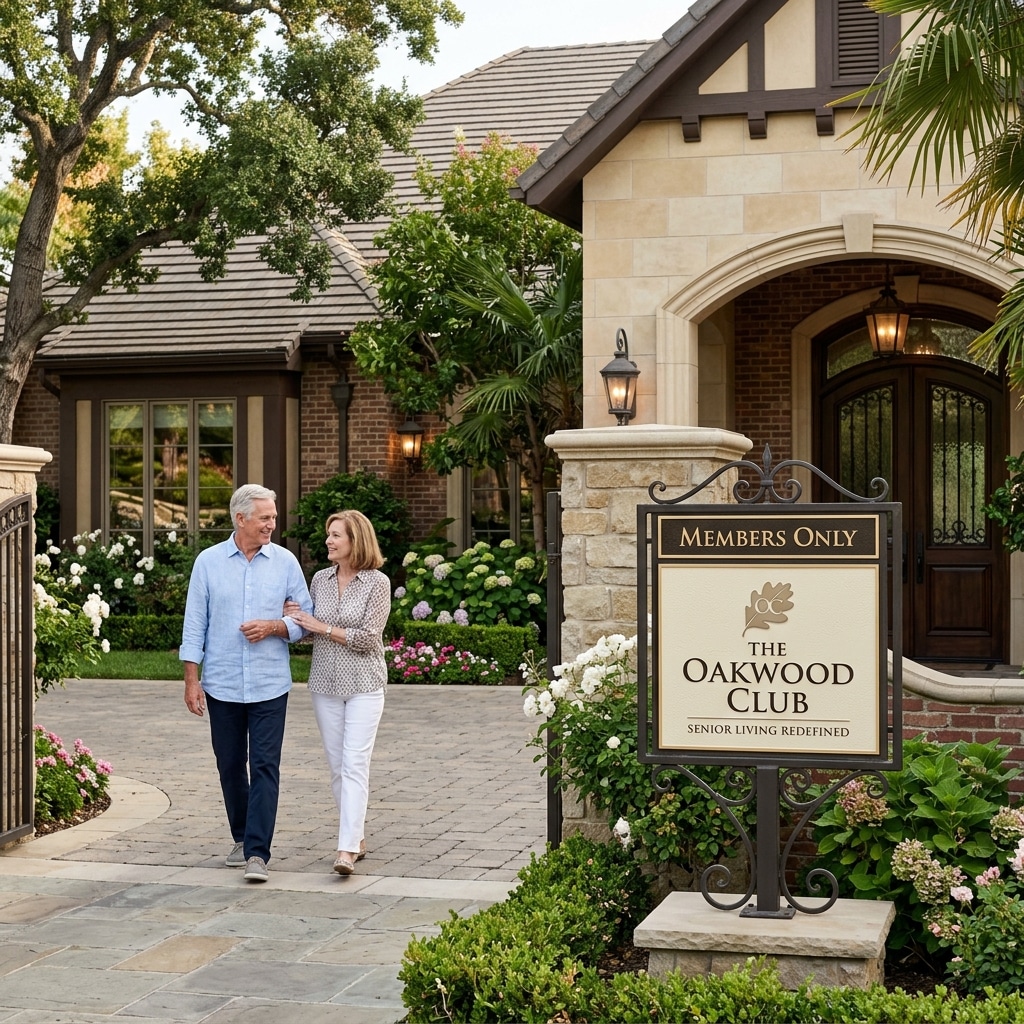
In some golf and country club communities, joining the club is a condition of homeownership. Every household pays dues whether they golf, swim, or set foot in the dining room.
A widow in a Scottsdale community told her board she’d never played golf in her life and asked to opt out of the $14,000 annual club dues. The answer was no. The obligation runs with the deed, not the resident, and it continues even if your health changes or your interests shift.
The promise of an active social life is real. So is the bill, every year, until the day you sell.
2. Food and Beverage Minimums

Common cost:
$600 to $2,400 per year, whether you eat there or not.
If your community has a clubhouse restaurant or bar, you may be required to spend a set amount there each quarter or year. Spend it and the requirement is met. Come up short and you pay the difference anyway.
The policy keeps the restaurant solvent and the social hub alive, but it punishes snowbirds who aren’t around half the year and residents who simply don’t dine out much. One Florida community charges $400 per quarter, no rollover, no exceptions — leave for the summer and you’re paying for meals you can’t eat.
Ask specifically about minimums during the tour, because they rarely come up unprompted.
3. Golf Membership and Cart Fees

Common cost:
$5,000 to $12,000 per year for an active player, on top of club dues.
Even in communities with mandatory club dues, golf often costs extra. Greens fees, cart fees, trail fees for private cart owners, bag storage, lockers, range balls, guest greens fees — the line items multiply faster than the rounds.
A retiree who plays three times a week can easily spend $10,000 a year just on the cost of being on the course, and that’s before the nineteenth hole.
4. Tennis and Pickleball Court Fees

Common cost:
$200 to $800 per year for active players, plus assessments for new courts.
Court reservations, league fees, ball machine rentals, clinics, and tournament entries are typically a la carte. Pickleball’s explosive growth has created its own line of charges: a community in The Villages assessed each home several hundred dollars in 2023 to fund new courts after waitlists ballooned.
Demand keeps outrunning supply. Some clubs that offered free court time five years ago now charge by the hour and cap reservations per household.
5. Fitness Center and Class Fees

Common cost:
$0 to $1,500 per year depending on what you actually use.
Basic gym access is almost always included. Personal training, specialty classes like spin or barre, and access to higher-end equipment like Peloton bikes often carry extra fees.
A few communities even charge for locker room access or towel service, which feels nickel-and-dime until you add it up across a year.
6. Clubhouse Rental Fee
Common cost:
$200 to $1,500 per event, plus deposits and required services.
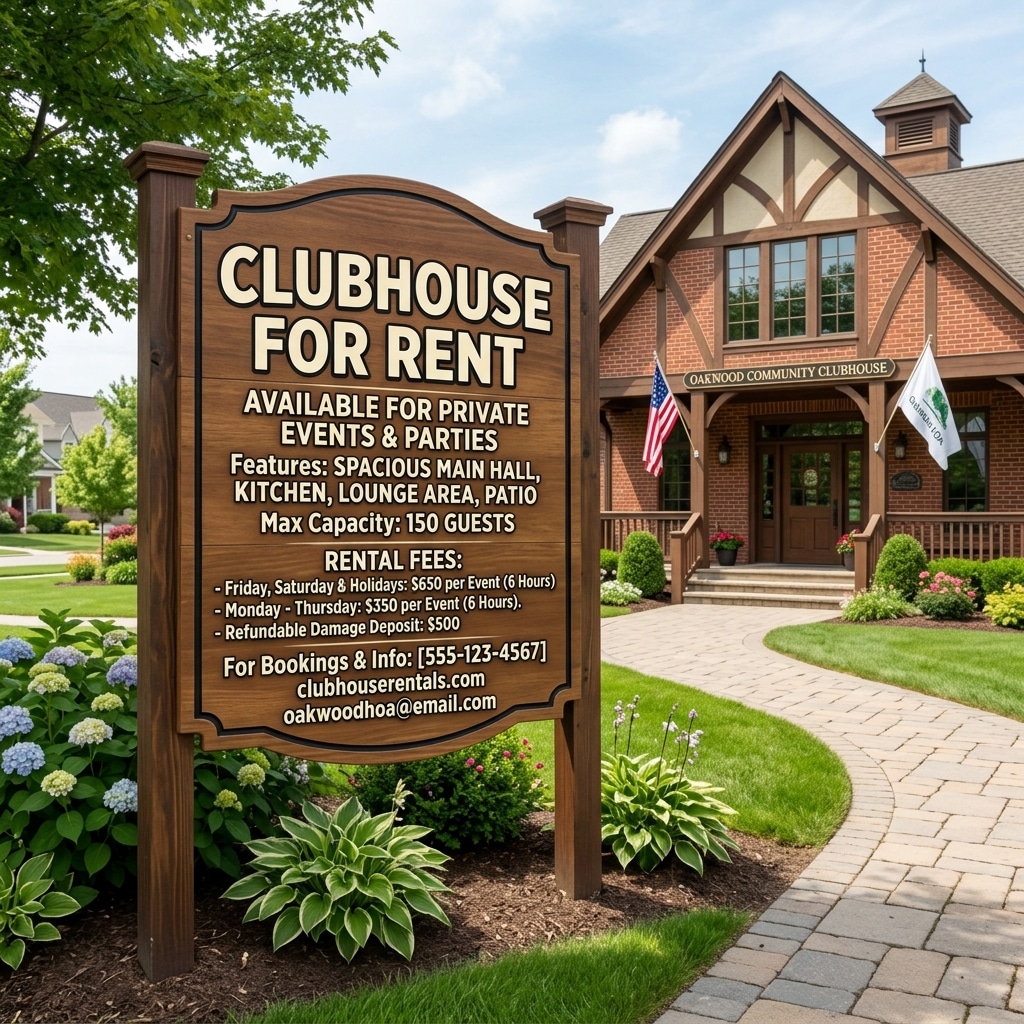
Booking the clubhouse for a private birthday, family gathering, or club meeting typically runs a few hundred dollars, plus a refundable damage deposit and sometimes a required staffed bartender or post-event cleaning charge.
Holiday weekends and Saturday evenings book six to twelve months ahead, and rates climb accordingly. A 75th birthday party your kids want to throw in March may need to be scheduled the previous summer.
7. Guest Pass Fees

Common cost:
$5 to $25 per guest per day; some communities cap monthly visits.
Visiting family who want to use the pool, gym, or golf course may need a paid guest pass. Stricter communities cap how many guest visits you can sponsor per month and charge per use beyond that.
The fees are modest individually but punish residents who host grandchildren for the summer.
8. Transportation and Shuttle Fee

Common cost:
$0 to $150 per month, or $5 to $20 per ride.
Shuttle services to shopping centers, medical appointments, or airports often charge per ride or as a monthly subscription. Free shuttles still exist but are increasingly rare, especially in larger communities where the service is expensive to operate.
For residents who eventually stop driving — which most of us will — the cost moves from convenience to necessity.
Part II: Rules, Approvals, and Penalties
This is where the community’s character reveals itself. A friendly board with light rules is one experience. A board that fines you for the wrong shade of beige on your front door is another. Both are common, and you can’t always tell which you’ve bought into until you’ve moved in.
9. Violation Fines
Common cost:
$25 to $200 per violation per day, compounding until cured.
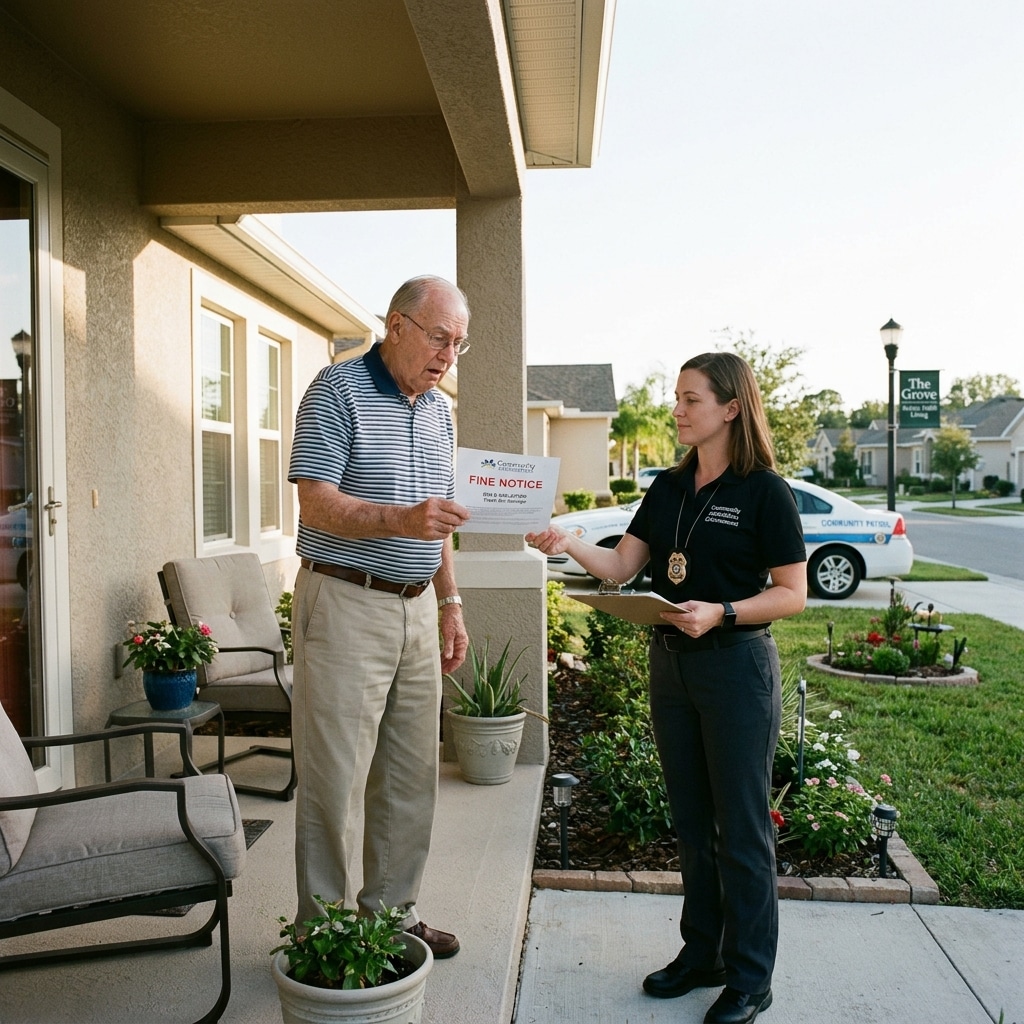
Brown lawns, holiday decorations left up past the deadline, work trucks in the driveway, mismatched mailboxes, unapproved exterior paint colors. The list of finable offenses is long, and the fines compound daily in some communities.
A homeowner in a Las Vegas community racked up $9,000 in fines for a wrong-color front door before the case made the local news. Unpaid fines can become liens on your property, and in extreme cases, they can lead to foreclosure.
Most violations are minor. The enforcement culture is what to investigate.
10. Architectural Review Fee

Common cost:
$50 to $500 per application; major projects can run higher.
Want to repaint, add a screened porch, swap your landscaping, install solar panels, or replace your front door? Most communities require an application to an architectural review committee — complete with drawings, contractor info, and a fee.
The fee covers the review, not the approval. Denials are common. If you re-apply with revisions, you pay again. The review process can also stretch for weeks or months, which has its own cost in delayed projects and contractors moving on.
11. Pet Fees and Registration

Common cost:
$25 to $500 one-time, plus $10 to $50 per pet per month.
Annual pet registration, weight and breed restrictions, one-time pet deposits, and per-pet monthly fees are common, especially in condo buildings. A handful of communities limit households to one pet under 25 pounds, which sounds reasonable until you try to bring home a rescue.
Service and emotional support animals are generally exempt under federal law, but documentation requirements can be onerous.
12. Vehicle, RV, or Boat Storage Fees
Common cost:
$50 to $300 per month for community storage.
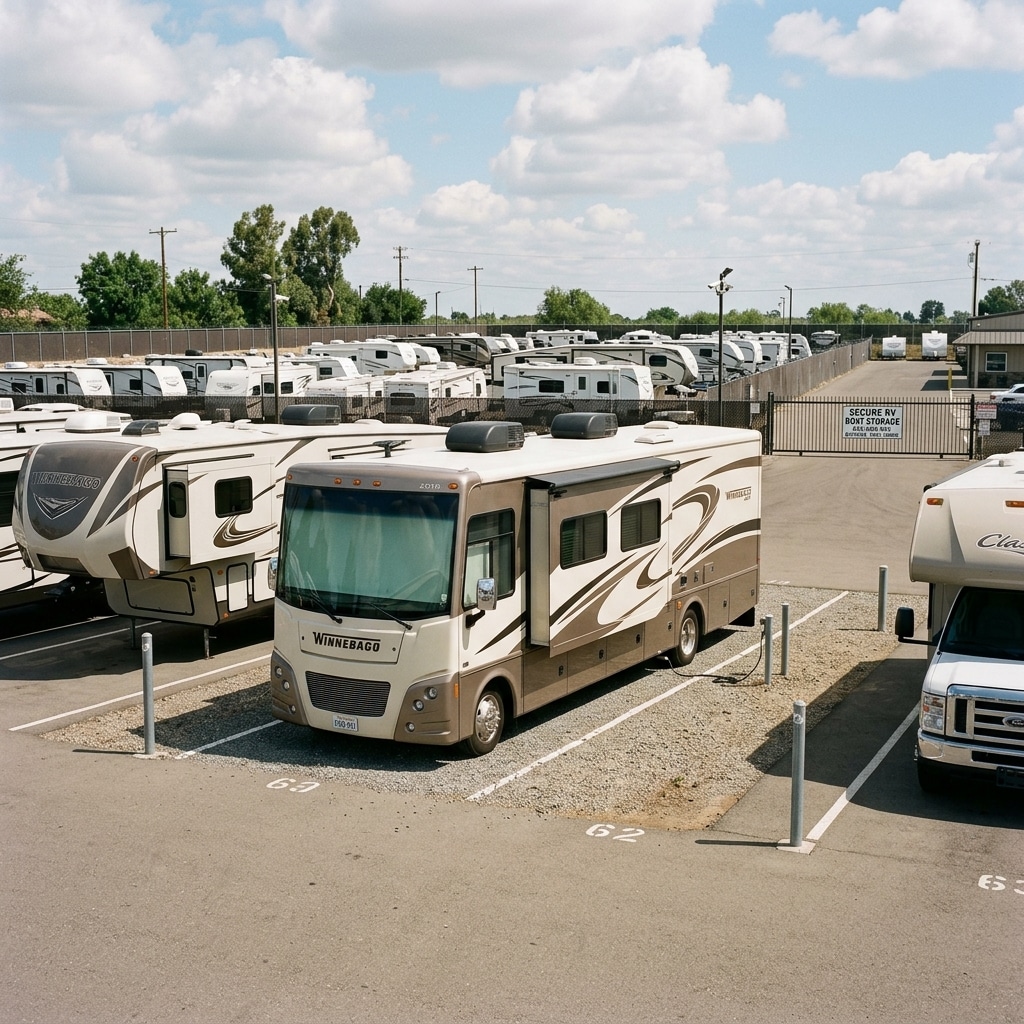
Own an RV, boat, or extra vehicle? Expect to pay monthly for a designated community lot. Some communities prohibit on-property storage entirely, meaning parking your RV in your own driveway between trips isn’t allowed and you’ll be paying an outside facility year-round.
Even communities that permit storage often have waitlists for covered spaces stretching into the years.
13. Gate Transponder and Key Fob Fees

Common cost:
$25 to $150 per replacement or additional device.
The first one or two transponders are usually included with your purchase. Replacements after loss or damage cost more than you’d expect, and additional fobs for family members, reprogramming after a move, and gate access cards for caregivers or housekeepers are all billed separately.
14. Rental Approval and Lease Renewal Fees

Common cost:
$100 to $500 per application, plus annual renewal fees.
Renting out your unit? Expect a tenant application and approval fee, an annual lease renewal fee, and possibly restrictions on how short or how often you can rent. Some 55+ communities ban rentals under a year or two, which rules out snowbird arrangements and most family-use scenarios.
Rental rules are some of the most important to read carefully before buying, because they affect both your flexibility now and your exit options later.
Part III: Recurring Community Fees
These are the costs that show up on every statement, every month, for as long as you own the home. They feel routine, which is exactly why buyers stop scrutinizing them.
15. Monthly HOA Dues

Common cost:
$200 to $1,200+ per month, with wide variation by community type.
The headline number, the one that lands on every listing and brochure, and the one most buyers fixate on. It’s also the least informative figure in the financial picture.
What matters more is the trend. Ask for five years of dues history, and ask what’s driving the changes. A community where dues have climbed 8 percent a year is telling you something, either about its financial discipline or its aging infrastructure.
Steady, predictable increases are healthy. Stagnant dues for a decade followed by a sudden jump usually mean reserves were underfunded for years.
16. Master Association Fee

Common cost:
$50 to $400 per month, on top of your sub-association dues.
In larger planned communities, you may belong to two associations at once: a sub-association for your immediate neighborhood and a master association covering the whole development. Both bill you separately.
When you compare two communities, it’s easy to compare the wrong number — sub-association dues from one against the all-in figure from another. Always ask whether a master fee exists and what it covers.
17. Amenity Fee

Common cost:
$50 to $500 per month, separate from HOA dues.
Some communities split the amenity fee out from HOA dues so the headline HOA number looks lower in marketing. The fee funds the clubhouse, pool, fitness center, and other shared facilities — things that would normally be in dues.
When comparing two communities, add the amenity fee back into the HOA figure before drawing any conclusions. Otherwise you’re not comparing the same thing.
18. CDD Fees

Common cost:
$500 to $3,000+ per year for 20 to 30 years, on your property tax bill.
Community Development District fees are a Florida fixture and exist in a few other states under different names. They appear on your annual property tax bill, not your HOA statement, which is why so many buyers don’t notice them until after closing.
CDDs fund the infrastructure bonds the developer issued to build out roads, drainage, and amenities. A buyer in a Tampa-area community discovered three years in that her CDD added $2,400 a year to her property tax bill for the next 22 years — none of which her real estate agent had mentioned.
The CDD operates as a separate government entity, with its own board and its own ability to levy assessments.
19. Metro District or PID Assessments

Common cost:
$400 to $2,500+ per year on property tax bills, often for decades.
These are the Mountain West and Texas versions of CDD fees. Metro districts in Colorado and Public Improvement Districts in Texas fund infrastructure and amenities through long-term assessments collected on your property tax bill.
They’re particularly common in master-planned 55+ communities built in the past 20 years.
Like CDDs, they aren’t part of HOA dues, they aren’t always disclosed prominently, and they can persist for decades. A buyer who only asks about HOA fees can easily miss a five-figure obligation over the life of the home.
20. Land Lease or Lot Rent

Common cost:
$400 to $1,500+ per month, with annual increases.
Manufactured home parks and a subset of Arizona and California developments operate on a lease model: you own the structure but lease the land it sits on. The monthly land payment can rise annually, often pegged to inflation or sometimes uncapped.
Park residents in a high-profile California case saw their lot rent rise 40 percent in five years after the park sold to a private equity firm. Land lease arrangements offer lower upfront costs but limit your control, and reselling a home on leased land is harder than selling fee-simple property.
Part IV: Utilities, Services, and Aging-in-Place
The smaller fees that fly under the radar individually but stack up into real money. The aging-in-place costs at the end of this section are the ones buyers in their 60s rarely think about, but residents in their 80s wish they had.
21. Bulk Cable and Internet Fee

Common cost:
$50 to $150 per month, mandatory, no opt-out.
Many communities negotiate a bulk contract with a single cable or internet provider, then bill every owner whether they use the service or not. You can’t opt out, even if you prefer a different carrier.
The per-unit rate is usually below retail pricing, which is the selling point. For residents who already have fiber or a streaming-only setup, it’s a charge for nothing — and worth checking before you buy.
22. Water, Sewer, and Reclaimed Water Fees

Common cost:
$30 to $200 per month, sometimes split with neighbors.
Master-metered water means the bill gets split among all owners regardless of individual usage. You pay for your neighbors’ leaks, long showers, and overwatered lawns. Reclaimed water for irrigation is often billed as its own line item where available.
Sub-metered communities are more equitable but pass on a markup on top of the utility’s actual rate.
23. Trash and Recycling Fee

Common cost:
$20 to $80 per month, plus extras for bulk pickup.
Trash service is sometimes folded into HOA dues, sometimes billed separately by the community or a contracted hauler. Bulk pickup of large items, yard waste removal, and post-holiday tree disposal often carry additional charges.
In communities with strict trash rules, fines for putting bins out early or leaving them visible can add up faster than the service itself.
24. Stormwater Management Fee

Common cost:
$50 to $300 per year.
A separate annual fee, usually modest, to maintain retention ponds, culverts, drainage easements, and erosion controls. Coastal and low-lying communities pay the most, and newer developments anywhere flood plain management has gotten stricter are increasingly seeing these fees.
The work is invisible until it isn’t, at which point repair costs become an assessment instead of a routine fee.
25. Lawn Care and Landscaping Fee
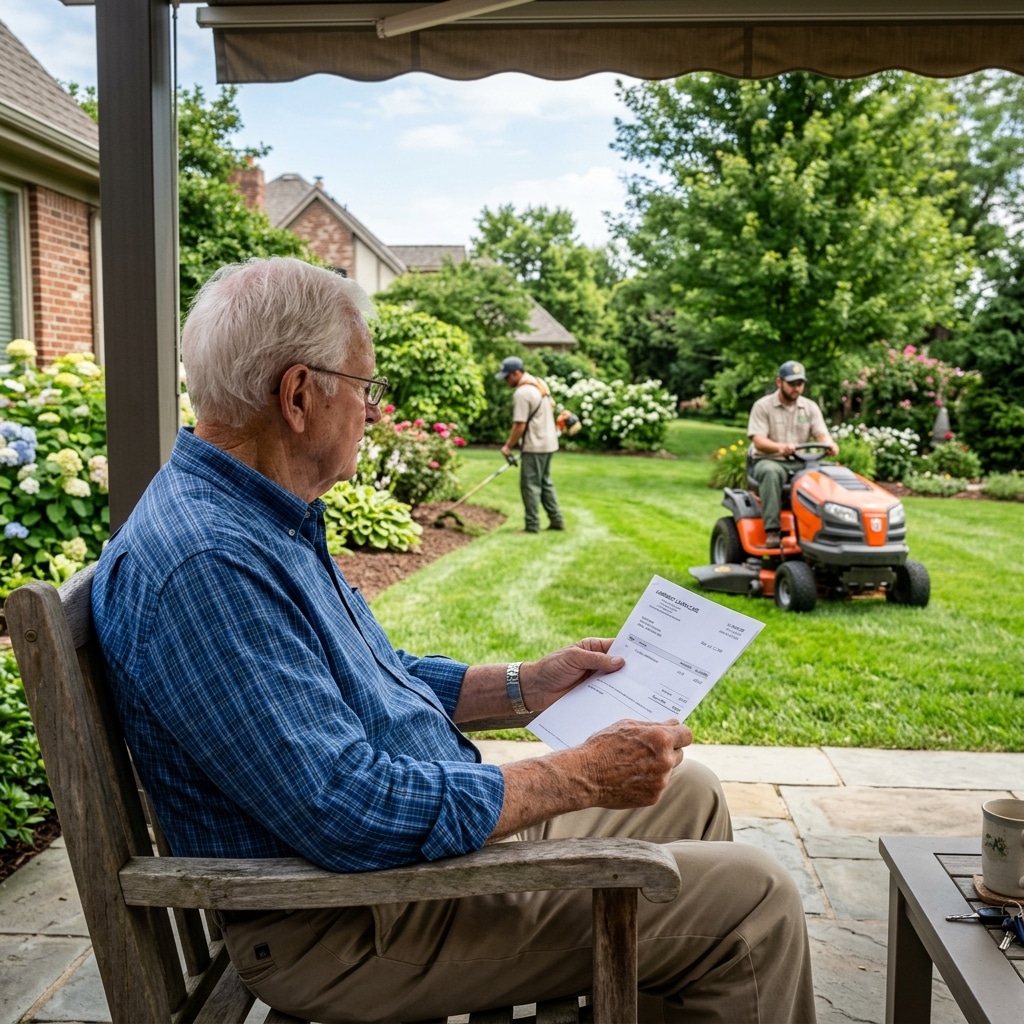
Common cost:
$50 to $250 per month if billed separately.
Lawn care is often bundled into HOA dues, but in some communities it’s a separate line item, especially when individual homes have private yards rather than common-area-only landscaping. Upgrades like flower beds, mulch refreshes, tree trimming above a certain height, and palm pruning often cost extra and get billed directly to the homeowner.
26. Pest Control Fee
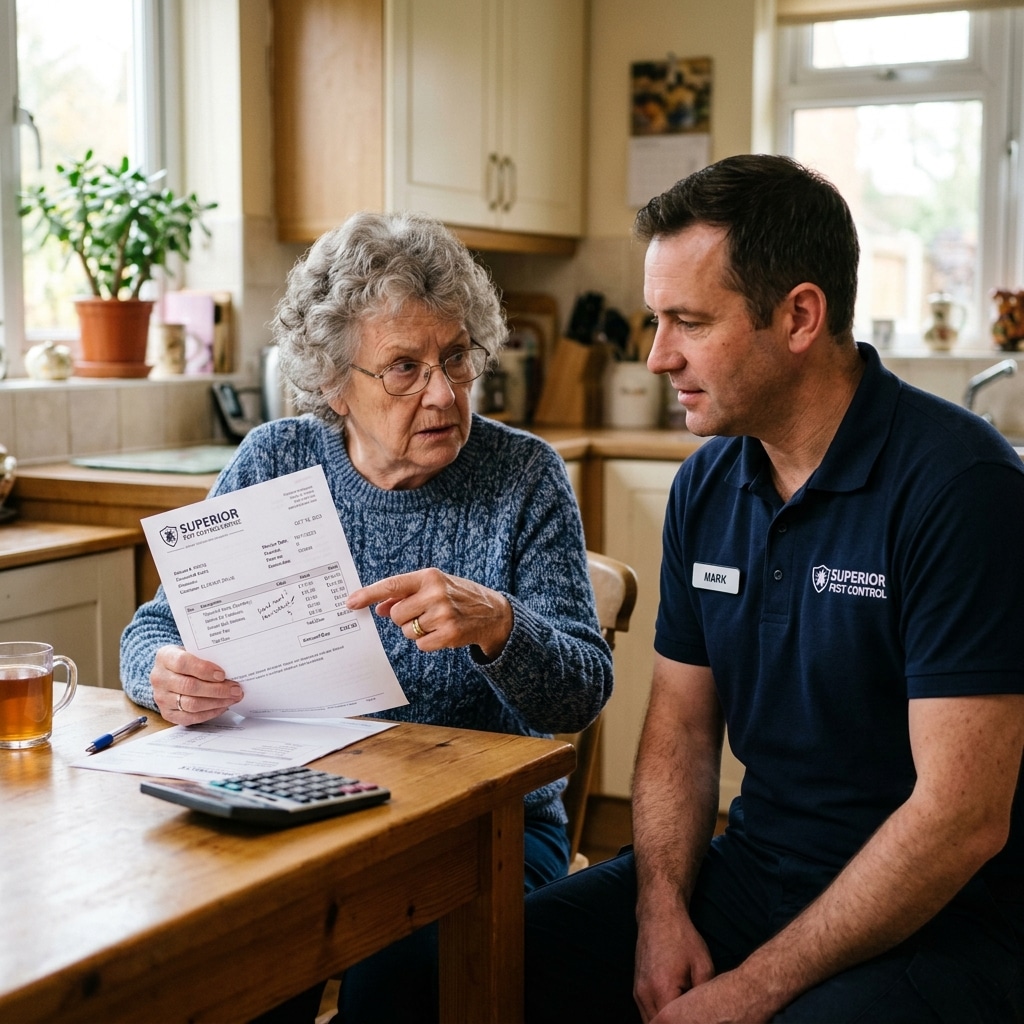
Common cost:
$30 to $80 per month, or $300 to $1,500 per year for a termite bond.
Termite bonds, mosquito spraying, rodent control, and general pest service are sometimes included in dues, sometimes billed separately. In the Southeast, termite coverage is essentially mandatory.
Confirm whether it’s a community-wide bond or a per-home obligation — communities that rely on individual homeowners to maintain coverage create gaps that become expensive for everyone when termites turn up.
27. Snow Removal Fee

Common cost:
$200 to $1,000 per season for private services.
Northern and high-elevation communities usually fold snow removal into HOA dues, but heavy-snow years can trigger mid-season surcharges. Streets and main walkways are typically covered. Driveways, private walkways, and steps to your front door are often not.
Many communities contract with a service that residents pay individually if they want it handled — a real consideration for residents who can no longer shovel safely.
28. Emergency Pull-Cord or Wellness Monitoring Fee
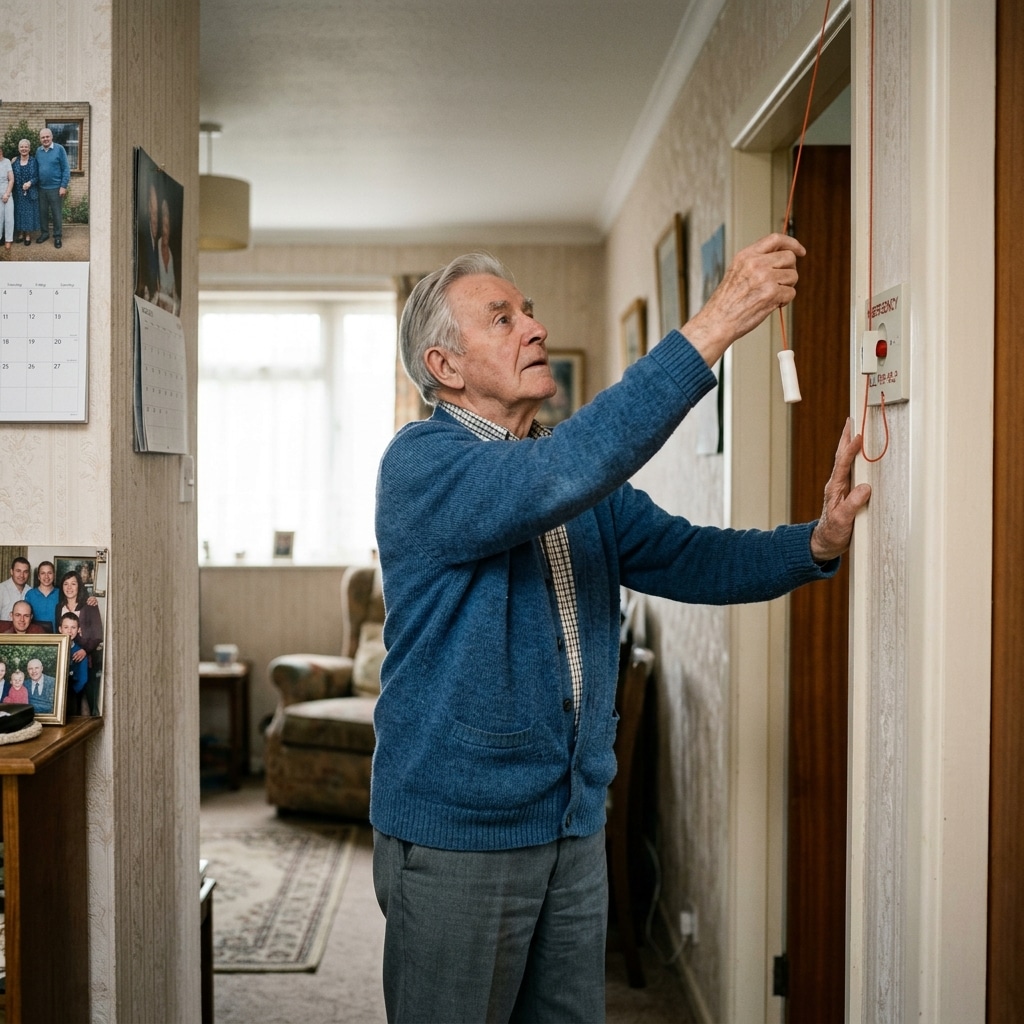
Common cost:
$20 to $100 per month, more for 24-hour monitored response.
Communities that cater to older residents may offer pull-cord systems in bathrooms, daily check-in calls, and wellness monitoring. They rarely come free.
Expect $20 to $50 per month for basic service, more for higher levels with personal alert pendants, fall detection, or 24-hour staffed response. The peace of mind is real, and so is the recurring cost — and it’s a cost that tends to start as optional and become essential.
29. Elevator, Valet, and Concierge Fees
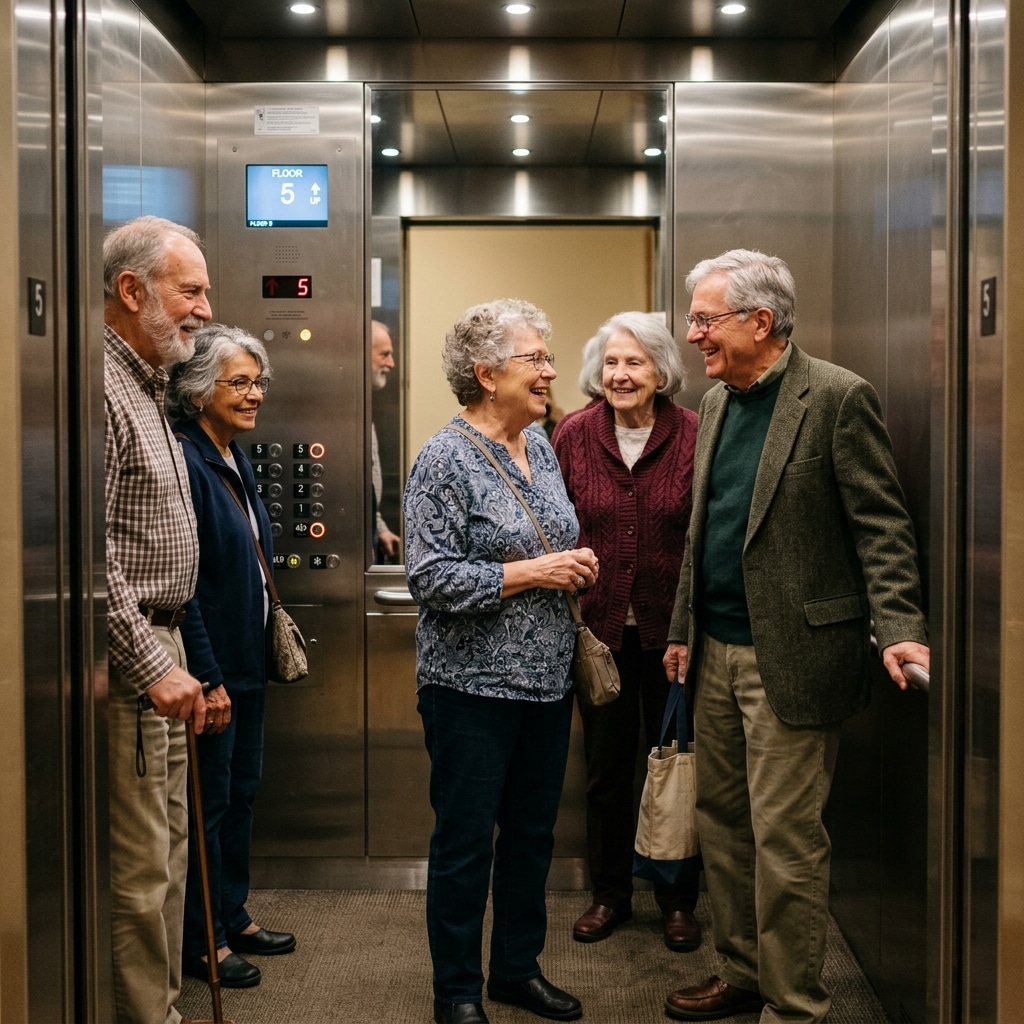
Common cost:
Folded into dues, but adds $200 to $800+ per month to the total.
Mid-rise and high-rise 55+ buildings often have staffed front desks, valet parking, doormen, and elevator maintenance contracts that drive dues meaningfully higher than in single-family communities.
The amenities are real and the staffing matters, but you’re paying every month whether you use the services that week or not. A condo on the 12th floor has structural costs that a ranch home in a master-planned community simply doesn’t.
30. Late Fees, Collection Costs, and Legal Fees

Common cost:
$25 to $100 per late payment, plus thousands in legal fees for prolonged disputes.
Miss a payment, and the late fee starts the clock. Stay delinquent, and you’ll be charged for the attorney’s time, lien filings, and collection efforts.
In most states, the association can foreclose on your home for unpaid dues. The legal costs of getting to that point are borne by the owner, and even residents who pay on time can see legal fees from disputes with delinquent neighbors flow back into community dues through year-end shortfall true-ups.
Part V: Assessments That Catch People Off Guard
This is where 55+ living gets genuinely expensive in ways no brochure prepares you for. The fees in earlier sections are predictable. The fees in this section are the ones that arrive in the mail with no warning and demand five-figure payment in 60 days.
31. Special Assessments
Common cost:
$500 to $50,000+ per home, payable in 30 to 90 days.
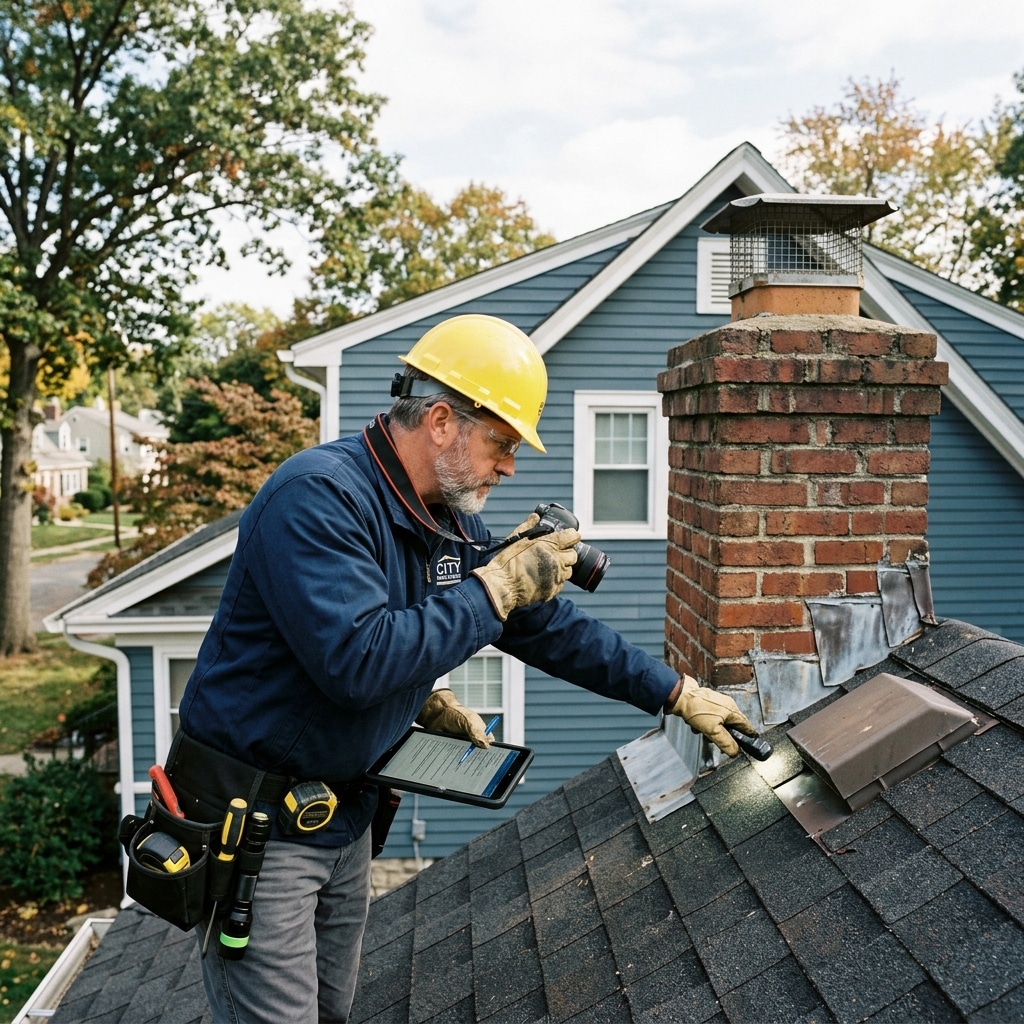
A one-time charge levied when the community’s reserves can’t cover a major repair or replacement. Roof replacement, road resurfacing, pool reconstruction, elevator overhauls, and clubhouse renovations are the usual triggers.
After the Surfside condo collapse in 2021, condo associations across South Florida faced mandatory structural inspections and recertifications. Several communities issued special assessments of $50,000 to $200,000 per unit to fund the work. Some owners had to sell at a loss because they couldn’t cover the assessment.
The ability of a board to levy assessments is one of the most important things to understand before buying.
32. Insurance Deductible Assessments

Common cost:
$2,000 to $15,000+ per home after a single significant claim.
This one surprises almost everyone. When the community’s master insurance policy pays out on a claim, the deductible has to come from somewhere — and that somewhere is the owners.
Master policy deductibles, particularly for wind, hail, and named storms, can run into the hundreds of thousands or even millions of dollars. After Hurricane Ian in 2022, several Florida communities passed deductible assessments of $8,000 to $25,000 per unit to a membership that had assumed insurance meant insurance.
A new roof for the whole development after a hailstorm can mean an assessment letter in every mailbox.
33. Hurricane or Disaster Recovery Assessments

Common cost:
$5,000 to $50,000+ per home after a major event.
After a major storm, wildfire, or flood, owners get assessed for damage that insurance doesn’t fully cover. Even if your unit comes through untouched, you share the cost of repairing common areas, replacing landscaping, and rebuilding amenities.
In hurricane-prone Florida and wildfire-prone California, these assessments have become a regular part of community life. A single bad season can mean five-figure bills per home — sometimes multiple times in the same decade.
34. Master Insurance Premium Pass-Throughs

Common cost:
Dues increases of 15 to 50 percent in high-risk markets.
The master policy itself is paid out of regular HOA dues, but in markets where premiums have spiked, the math stops working.
Florida and California associations have seen master premiums double or triple in recent years. The increases get passed through quickly — sometimes as mid-year assessments, more often as steep dues hikes that catch residents off guard. A Naples community saw monthly dues jump from $850 to $1,400 over two years almost entirely due to insurance.
If you’re buying in a high-risk area, ask specifically about the trajectory of insurance costs over the past five years.
35. Reserve Fund Shortfall True-Ups

Common cost:
$2,000 to $20,000+ per home, or a 20 to 40 percent dues increase.
A reserve study is a professional analysis of what the community will need to spend on capital projects over the next 20 to 30 years, and how much should be sitting in reserves to cover it.
When a study reveals serious underfunding — which is common in older communities — the board has limited options: raise dues sharply, levy an assessment, or take out a loan that residents pay back through higher dues.
Underfunded reserves are one of the most reliable predictors of unexpected costs, and one of the things buyers most often fail to check.
36. Roof, Road, or Bridge Repair Assessments

Common cost:
$3,000 to $30,000+ per home, depending on scope.
Major infrastructure rarely has enough in reserves to cover full replacement, especially in communities older than 20 years. Roofs last 20 to 30 years. Asphalt roads need resurfacing every 15 to 25. Private bridges, retaining walls, and seawalls last longer but cost dramatically more when they fail.
When the bill comes due, it comes due all at once. The older the community, the more likely an assessment is sitting just over the horizon.
37. Loss Assessment Coverage

Common cost:
$25 to $200 per year to raise your limit from $1,000 to $50,000+.
Technically a fee on your personal HO-6 condo policy rather than a community charge, but it exists precisely because of community costs. When the master policy’s deductible gets passed to owners, loss assessment coverage on your personal policy can absorb a portion of that bill instead of you absorbing all of it.
Standard HO-6 policies include a small amount of this coverage by default, often $1,000, which is nowhere near enough. Most owners don’t realize the limit is too low until the assessment letter arrives — at which point it’s too late.
Part VI: One-Time Fees at Purchase or Sale
The closing-table fees nobody mentions on the tour. Individually small, collectively substantial, and all due at the worst possible moment: the day you’re already writing the biggest check of your life.
38. Bond Fee and Bond Payoff

Common cost:
$10,000 to $50,000+ total, paid upfront or amortized over decades.
A Florida specialty, though similar structures exist in other states. Large 55+ developments often issue bonds to finance the initial infrastructure: roads, utilities, amenities, the works.
Each home carries a share of that bond debt, which you can either pay off at closing or amortize through annual installments on your property tax bill, often for 20 or 30 years. Amortizing is easier on the wallet now, but you can pay tens of thousands over the life of the bond. Marketing brochures rarely lead with this number.
39. Capital Contribution Fee

Common cost:
One-time payment of 2 to 6 months of HOA dues, or $1,000 to $10,000+ flat.
New owners pay this at closing, separate from your down payment, closing costs, and the seller’s prorated dues. It’s typically a few months of HOA dues or a flat figure in the low thousands. It is not refunded when you eventually sell.
Communities use it to keep reserves topped up without raising monthly dues on existing residents — which means new buyers effectively subsidize the people who got there first. Look for it under names like “initiation fee,” “community enhancement fee,” or “capital reserve contribution.”
40. Working Capital Fund Contribution

Common cost:
$500 to $3,000 at closing, often in addition to the capital contribution.
Easy to confuse with the capital contribution but functionally different. Where capital contributions feed long-term reserves for big projects, the working capital fund covers short-term operating cash — basically the community’s checking account.
Newer communities ask for it more often, and they tend to charge it on top of the capital contribution rather than instead of it. Two separate line items at closing, both nonrefundable.
41. Transfer Fee
Common cost:
$200 to $5,000, sometimes a percentage of the sale price.
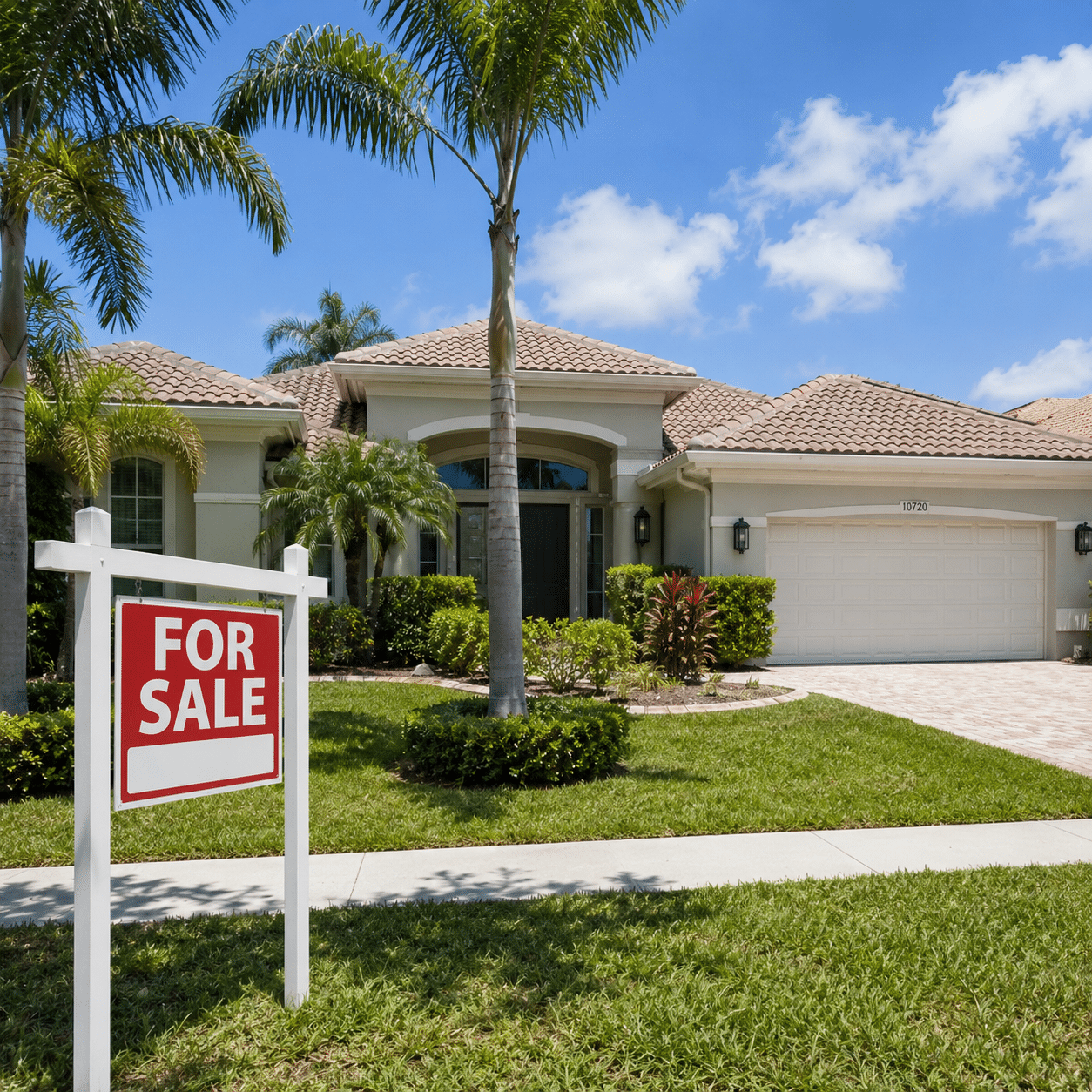
Charged whenever a unit changes hands. Sometimes the seller pays, sometimes the buyer, sometimes it’s split — the contract dictates which.
Resort-style and golf communities tend to charge on the higher end. In a hot market, transfer fees pile onto already-rising prices, and unlike a real estate commission, you get nothing tangible in return.
42. Right of First Refusal or Approval Fee

Common cost:
$100 to $500 per application, plus background check costs.
Some 55+ communities reserve the right to approve buyers before a sale can close, and the approval process itself costs money. Application fees, background checks, sometimes an in-person interview.
Communities with strict age verification charge to prove that at least one resident meets the minimum age. None of these fees guarantees approval, and a rejection means starting over with a different buyer — sometimes after a sale has already been negotiated.
43. Resale or Document Preparation Fee

Common cost:
$200 to $500, plus $100 to $300 rush fees.
Before closing, the buyer has the right to review the community’s governing documents, financials, rules, and disclosures. The HOA or its management company assembles that packet and charges for it.
If you need it on a tight timeline, expect a rush surcharge. The fee is mostly administrative, but it’s mandatory, and management companies have gotten more aggressive about pricing in recent years.
44. Estoppel Certificate Fee

Common cost:
$100 to $300, more for expedited or delinquent accounts.
This document certifies exactly what the seller owes the association as of the closing date: dues, fines, special assessments, late fees, anything outstanding. Required for closing in most states with HOA-governed property.
It’s a small fee in isolation but a frequent surprise — buyers rarely hear about it until the title company sends the closing statement.
45. Move-In or Move-Out Fee

Common cost:
$100 to $500 flat, sometimes both directions.
A flat charge that supposedly covers wear on common areas, elevator pads, scheduling staff time, and cleanup. Most common in condo buildings and gated communities where moving trucks need to be coordinated.
Whether the fee reflects actual costs or just adds to the association’s income depends on the community. The charge itself is non-negotiable.
How to Protect Yourself
Before buying into any 55+ community, request the full governing documents, the past three to five years of financial statements, the current reserve study, and an itemized fee schedule — not just the monthly HOA figure.
Ask specifically about every special assessment levied in the past decade and any planned in the next five years. Read the meeting minutes. They reveal more about a community’s financial health and culture than any sales brochure, and they’re available to any buyer who asks.
The right community is genuinely worth what it costs. It offers a lifestyle that would be hard or impossible to replicate on your own, and many residents find the trade-off well worth it. The wrong community is a slow financial drain that erodes a retirement plan a few thousand dollars at a time.
Knowing what to look for, and what questions to ask before signing, is the difference between the two.

I’m Chris and I run this website – a resource about symbolism, metaphors, idioms, and a whole lot more! Thanks for dropping by.