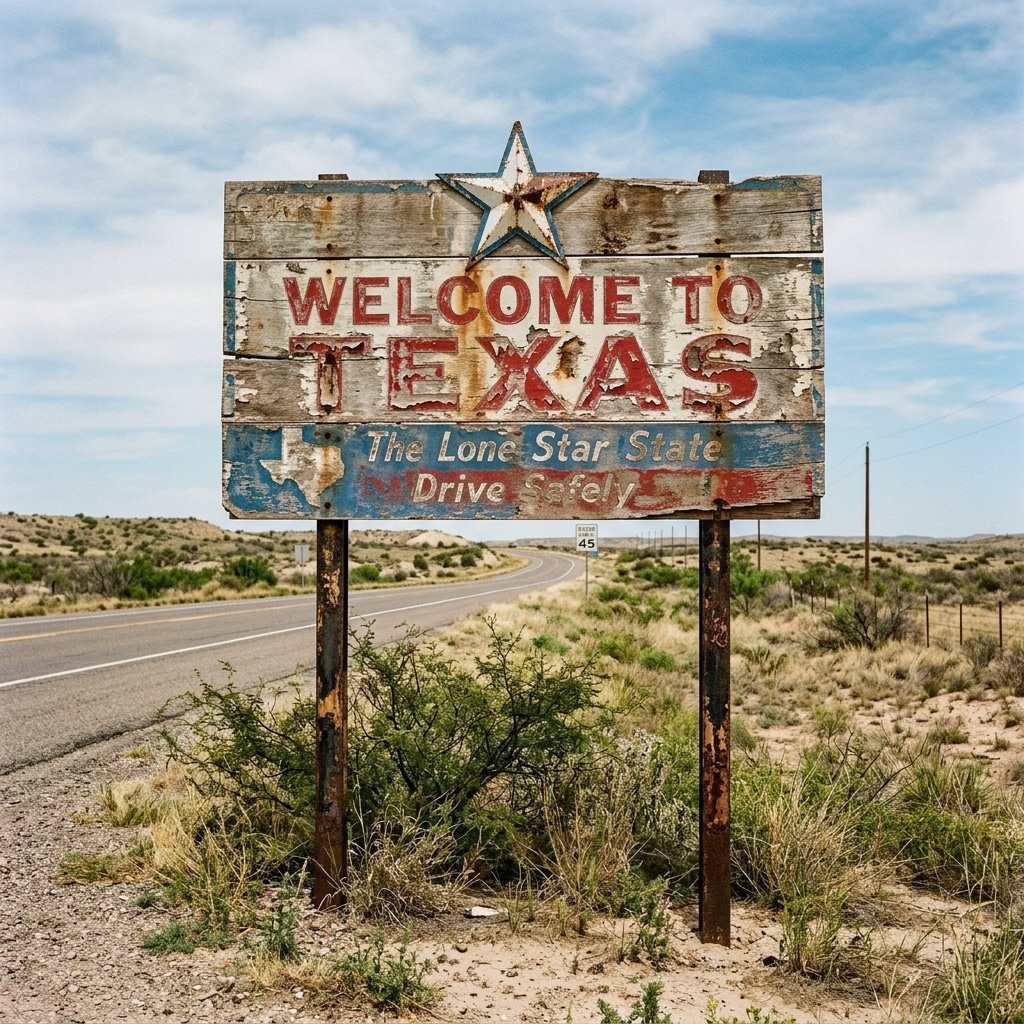
Texas gets hyped as a retirement paradise. People picture warm winters, giant houses, low taxes, and endless sunshine.
But for many retirees, the reality feels very different.
The summers can feel unbearable. Insurance bills keep climbing. Traffic is exhausting. Cities feel overcrowded. Property taxes shock newcomers. And some retirees eventually realize they spend more time indoors hiding from heat, storms, and mosquitoes than they ever did hiding from snow.
Texas absolutely works for some people.
But for others, it becomes the exact opposite of the peaceful retirement they imagined.
28. Many areas feel like endless strip malls
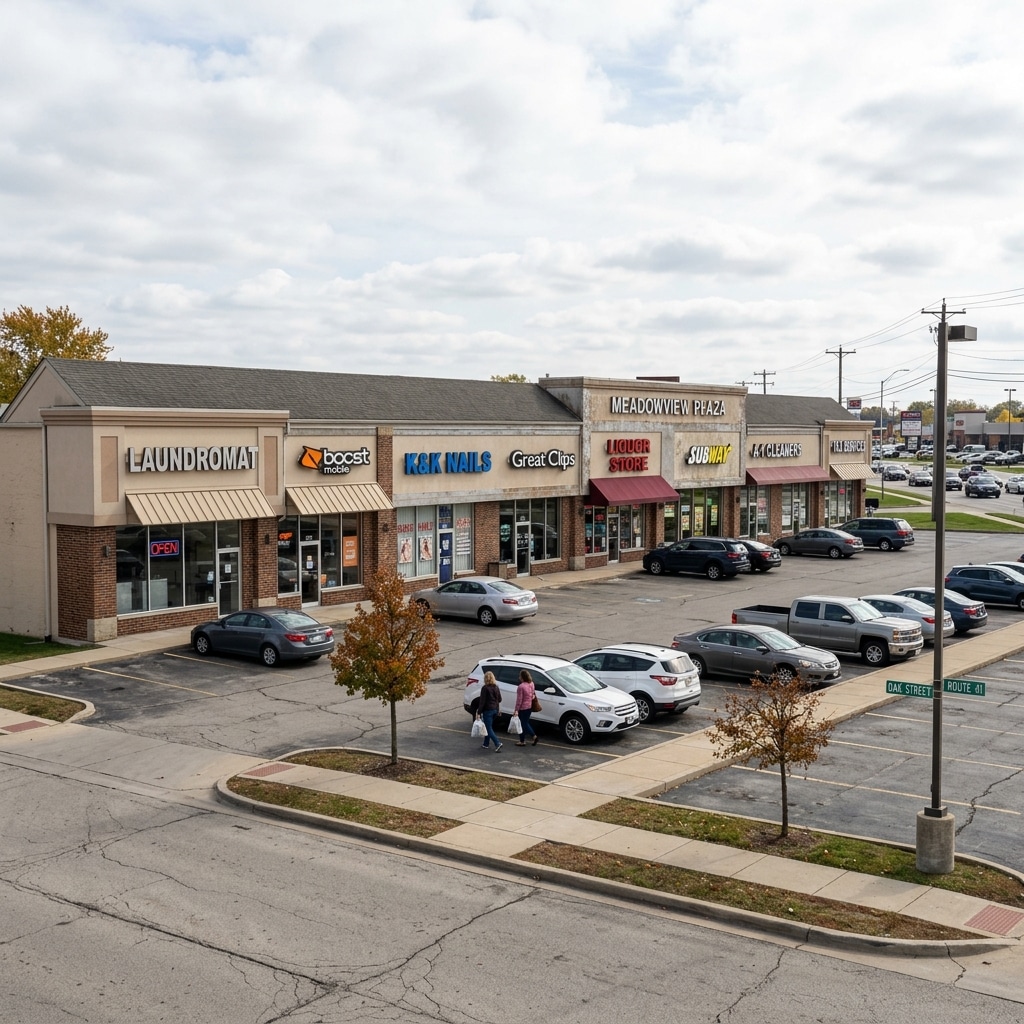
Some parts of Texas can feel visually repetitive after a while. Giant roads, chain restaurants, parking lots, gas stations, and shopping centers stretch for miles in every direction.
In some suburbs, you can drive twenty minutes and feel like you passed the exact same intersection five different times.
Retirees looking for charm, walkable downtowns, or scenic neighborhoods sometimes find the sprawl surprisingly bland.
27. The landscape can feel flat and repetitive
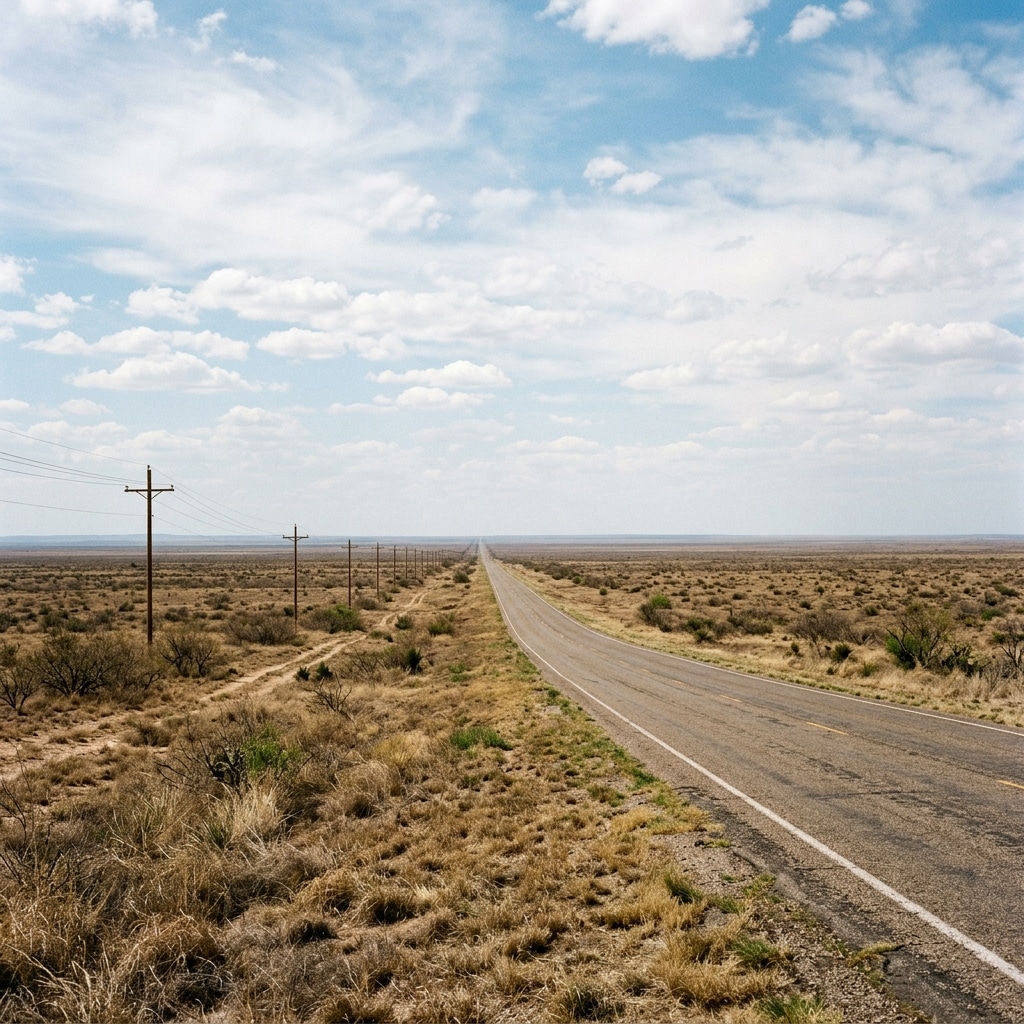
Texas has beautiful pockets, but huge sections of the state are flat, dry, and sprawling.
Retirees coming from mountain states, wooded regions, or coastal areas sometimes miss having dramatic scenery nearby. After enough highway driving, the endless suburban expansion and scrubland can start blending together.
Not everyone cares about scenery. But many retirees realize later that environment affects mood more than they expected.
26. Beaches can disappoint retirees expecting Florida-style coastlines
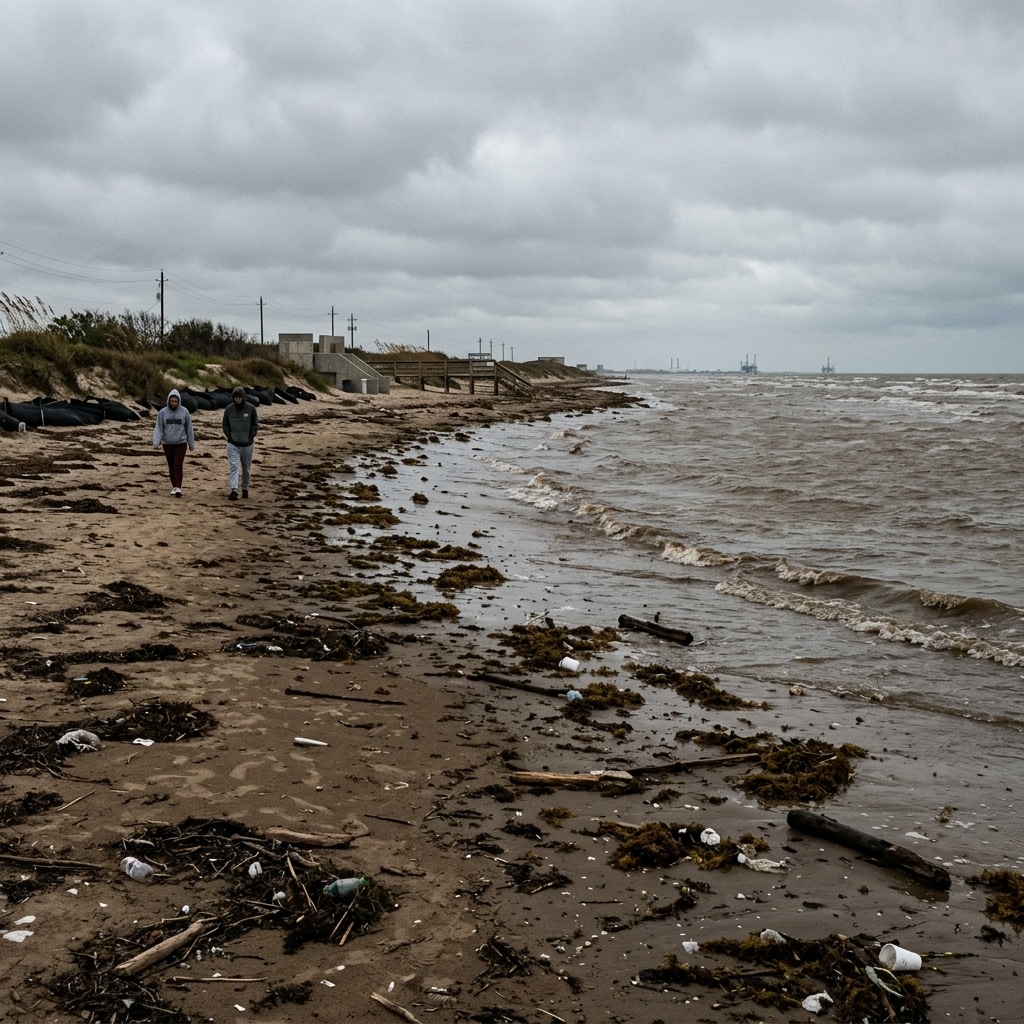
A lot of people move to Texas dreaming of beach life. Then they finally visit the coast and realize it is not exactly postcard material in many areas.
The water is often murkier than Florida. Industrial shipping traffic is common near parts of the Gulf Coast. Some beaches feel crowded, flat, windy, or covered in seaweed depending on the season.
People expecting tropical retirement vibes sometimes feel underwhelmed fast.
25. Mosquitoes and bugs are constant annoyances
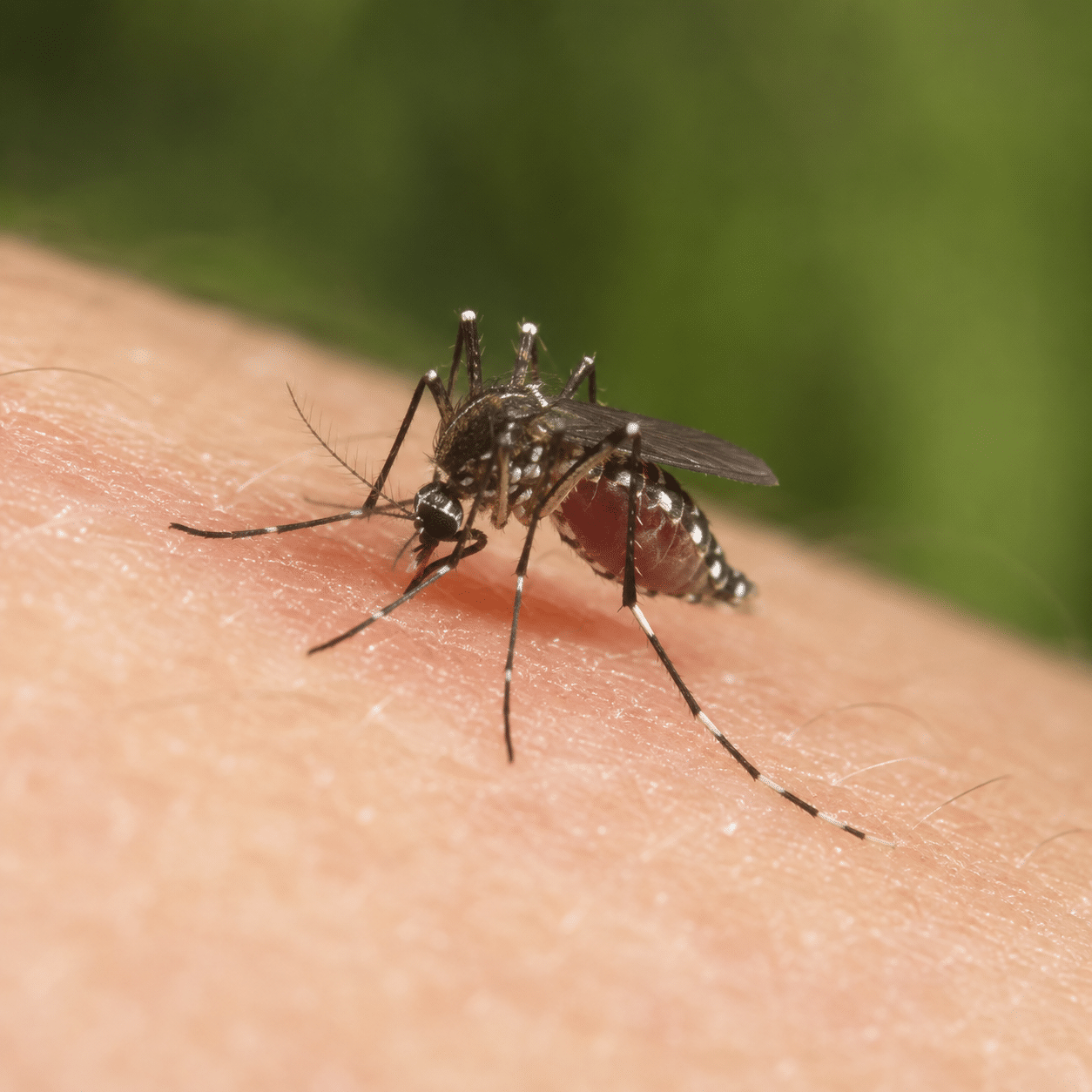
Warm weather means bugs thrive across much of Texas.
Mosquitoes can become relentless during warmer months, especially near the Gulf Coast. Some retirees joke that sitting outside at sunset feels like volunteering to get eaten alive.
And it is not just mosquitoes. Fire ants, giant roaches, wasps, and other pests become part of everyday life in many areas.
24. Allergies can become miserable

Texas allergy seasons are notorious. Cedar fever alone has blindsided many retirees who never previously had allergy issues.
People often describe months of congestion, itchy eyes, coughing, headaches, and sinus pressure.
Some retirees eventually realize they traded snow shovels for year-round allergy medication.
23. There is surprisingly little public land
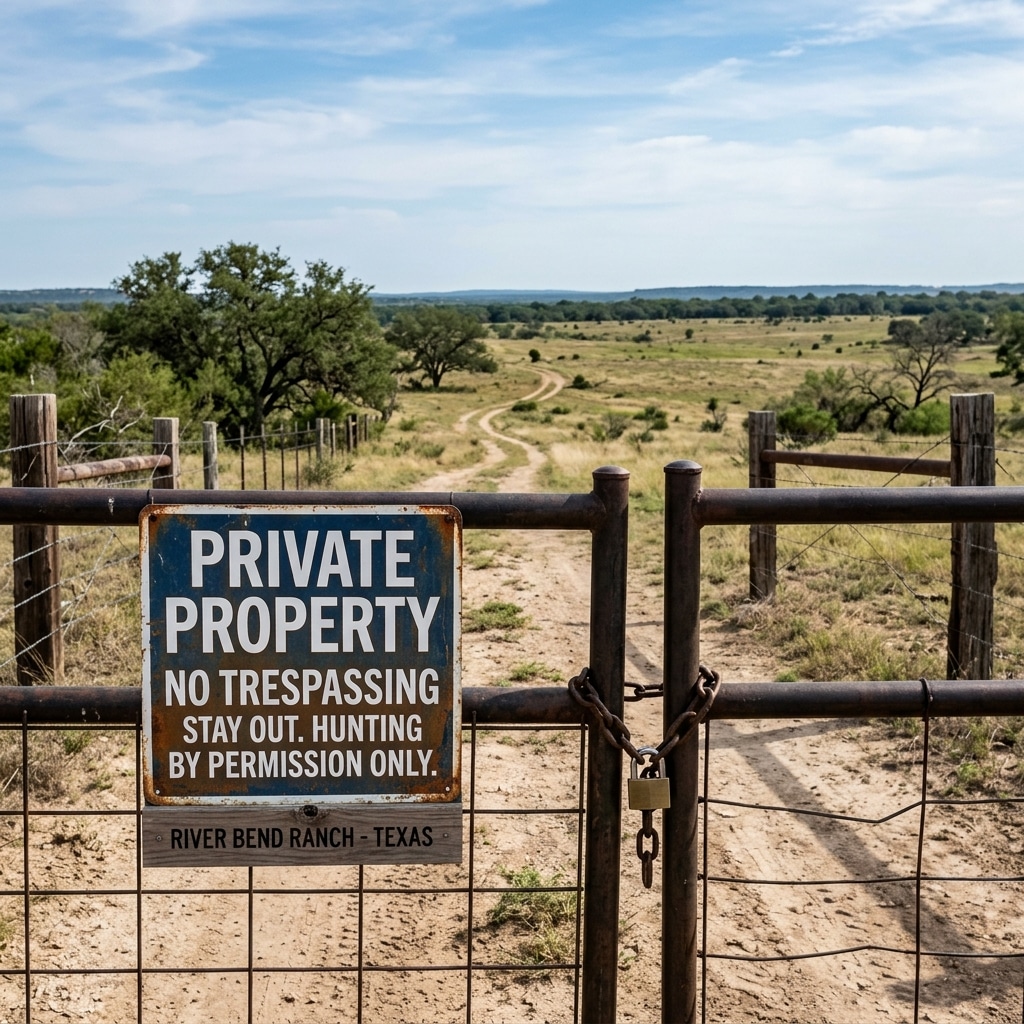
Compared to many western states, Texas has very limited public land because so much property is privately owned.
That can disappoint retirees who imagined easy access to hiking, camping, fishing, or exploring large natural areas.
For outdoor-oriented retirees, Texas can feel surprisingly restrictive.
22. Walkable communities are rare
A lot of Texas suburbs were designed entirely around cars.
Basic errands often require driving across huge intersections, giant parking lots, and multi-lane roads. Sidewalks can suddenly disappear without warning.
Retirees hoping for a walkable lifestyle sometimes realize they moved into a place where nearly every activity requires getting behind the wheel.
21. Public transportation is weak
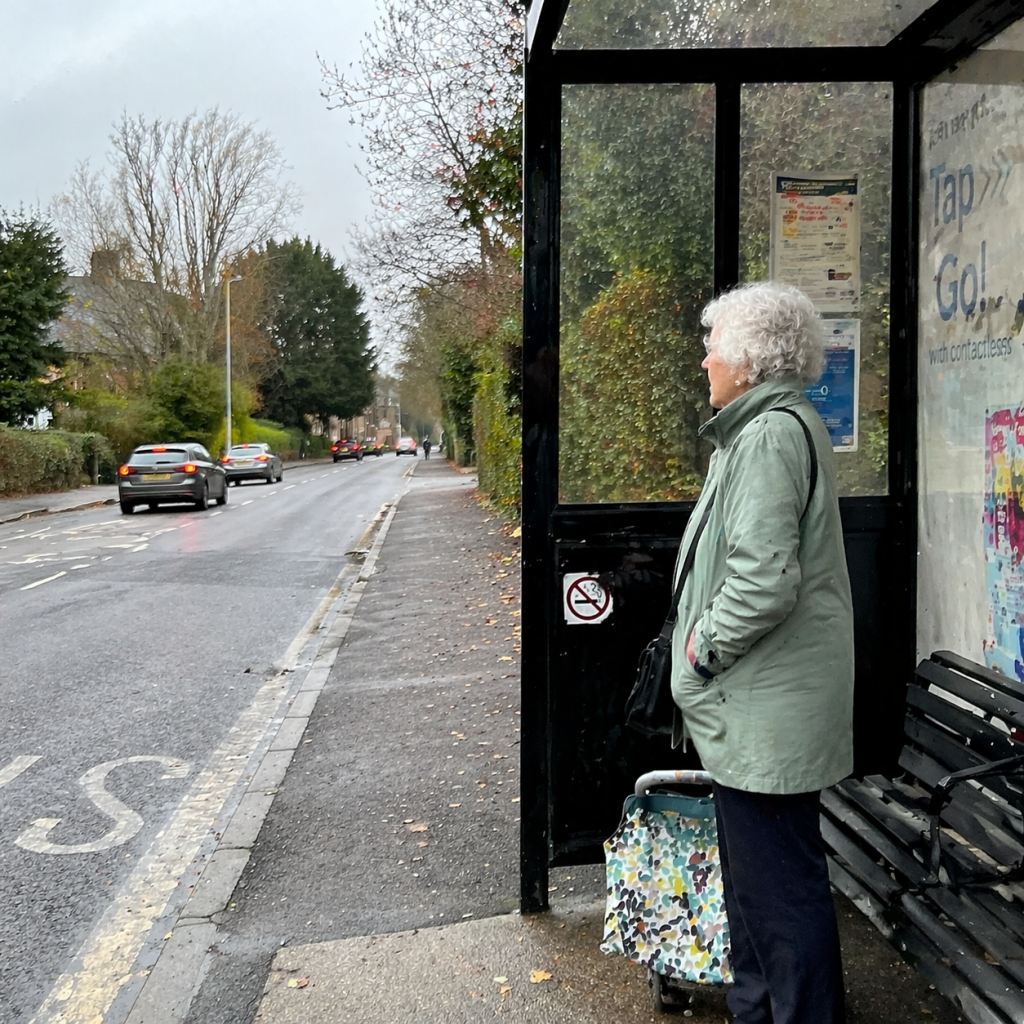
Outside a few urban pockets, public transportation in Texas is limited or inconvenient.
That may not seem like a huge issue at age sixty-five. But later in retirement, driving can become stressful or physically difficult.
Some retirees eventually realize they built their entire retirement around the assumption that they would always be able to drive everywhere forever.
20. Housing quality can be hit-or-miss
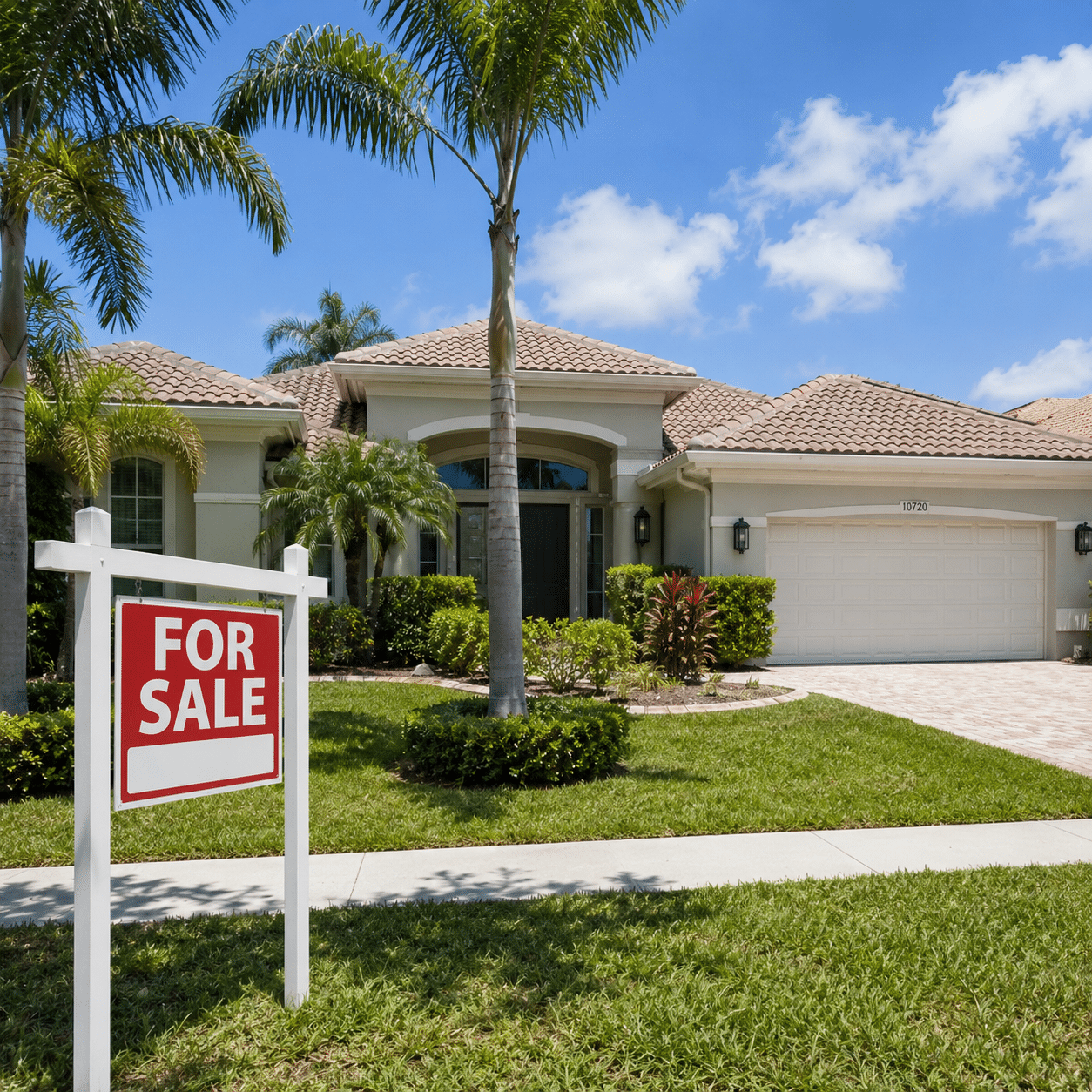
Texas builds homes fast. Very fast.
And in rapidly growing suburbs, some retirees later discover rushed construction, weak insulation, drainage issues, or cheap materials hiding beneath beautiful finishes.
A house may look impressive during the walkthrough but start revealing problems after the first brutal summer or major storm season.
19. Constant construction makes cities feel chaotic
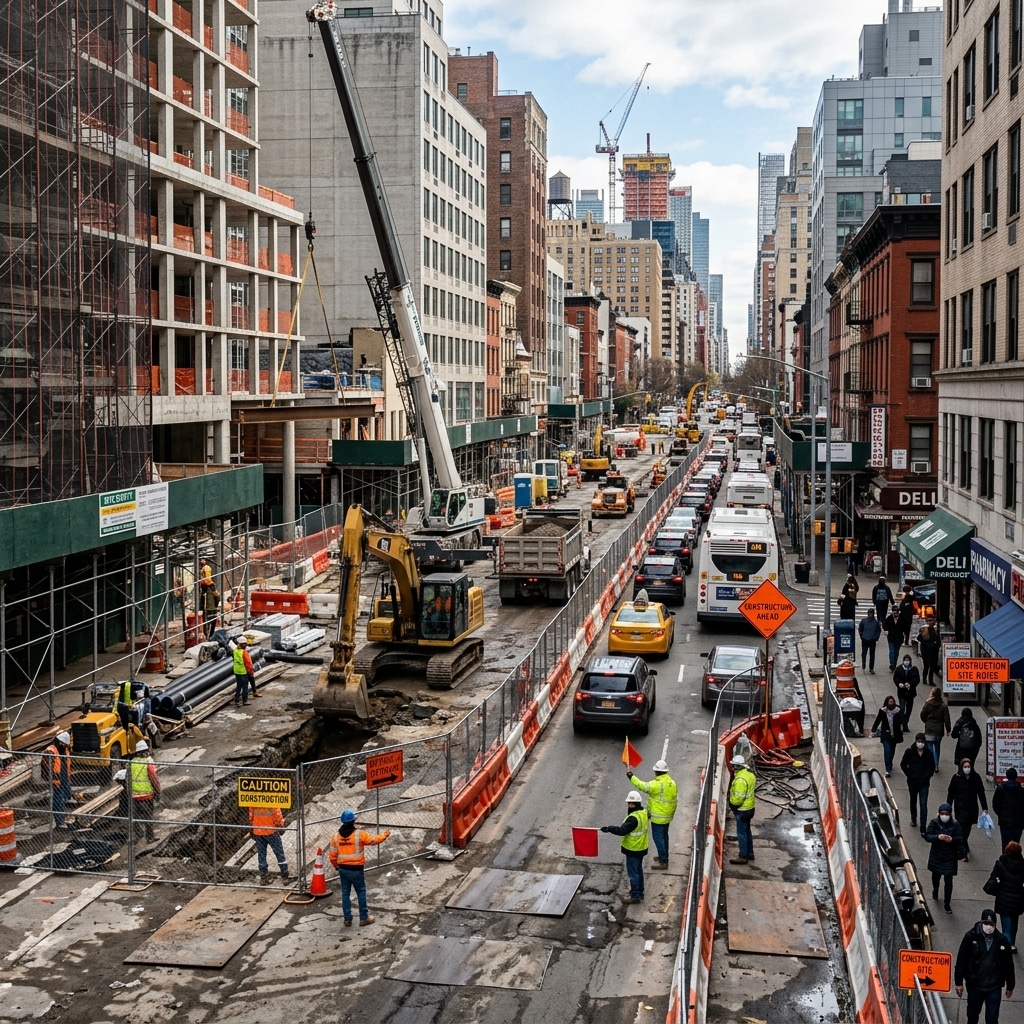
Texas growth never seems to stop.
Roads expand. Apartment complexes appear overnight. Entire neighborhoods become permanent construction zones full of detours, noise, dust, and orange cones.
Some retirees say it feels less like living in a settled community and more like living inside an endless development project.
18. Rapid growth has made many cities feel crowded
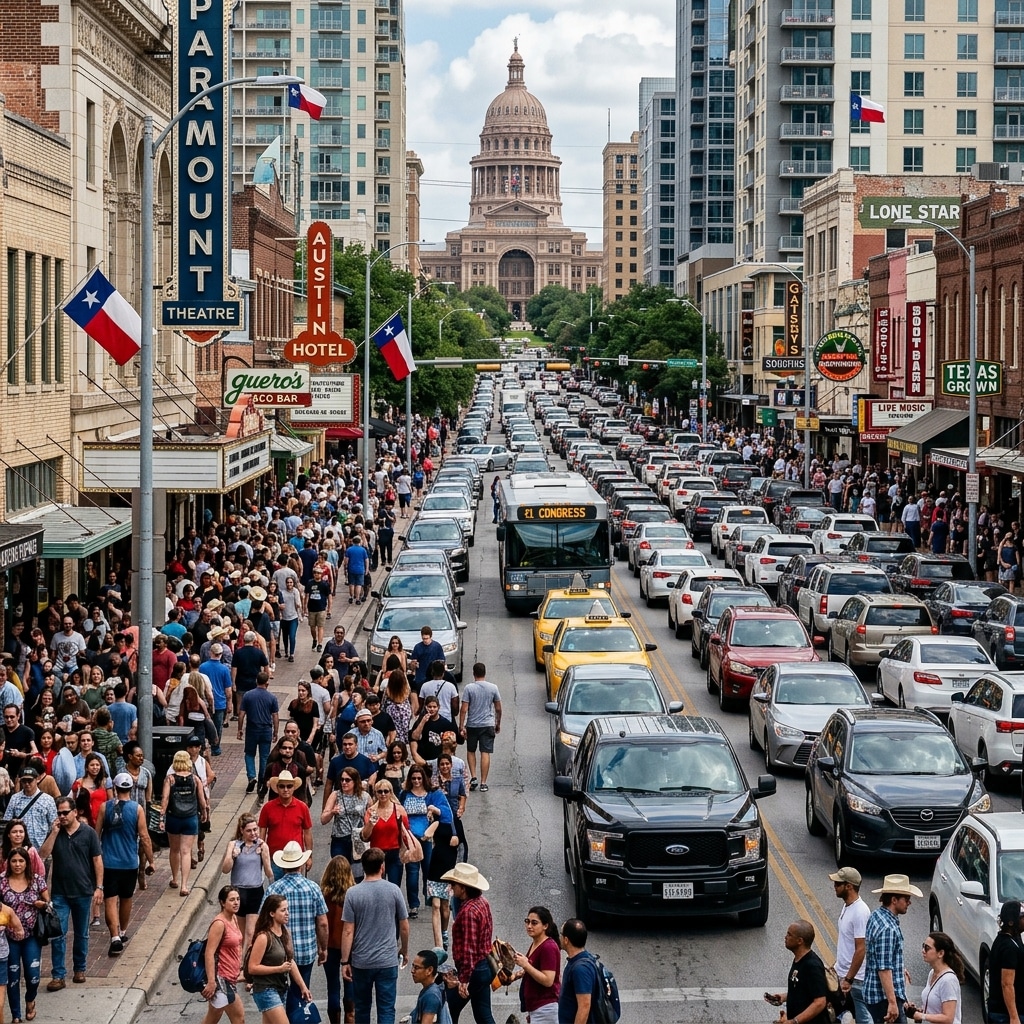
Texas once marketed itself as spacious, relaxed, and affordable.
Now many cities feel packed.
Restaurants stay crowded. Highways stay clogged. Quiet suburbs suddenly become dense development zones filled with nonstop expansion.
Retirees who moved there seeking a slower pace of life sometimes feel shocked by how hectic things have become.
17. Texas is exhausting to drive across

People outside Texas often underestimate how enormous the state really is.
A “short drive” can still mean several hours on the highway. Visiting specialists, airports, family members, or attractions can turn into draining road trips.
After a while, some retirees feel like they spend half their retirement sitting in the car.
16. Austin has become shockingly expensive
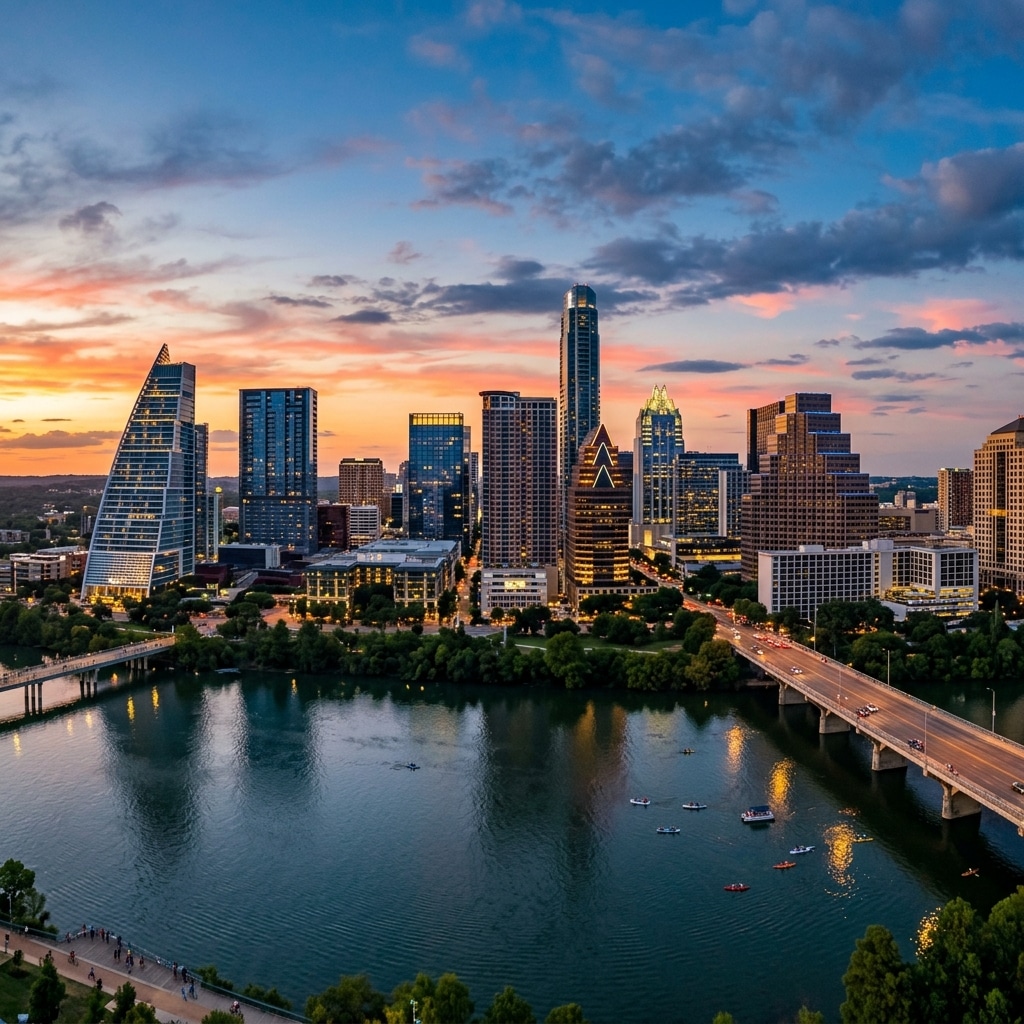
Austin used to feel quirky, affordable, creative, and laid-back.
That version of the city has changed dramatically.
Housing prices exploded. Restaurants became expensive. Traffic worsened. Luxury development spread everywhere. Even longtime locals often say they barely recognize the city anymore.
Retirees moving there for the “old Austin” experience may realize they arrived about fifteen years too late.
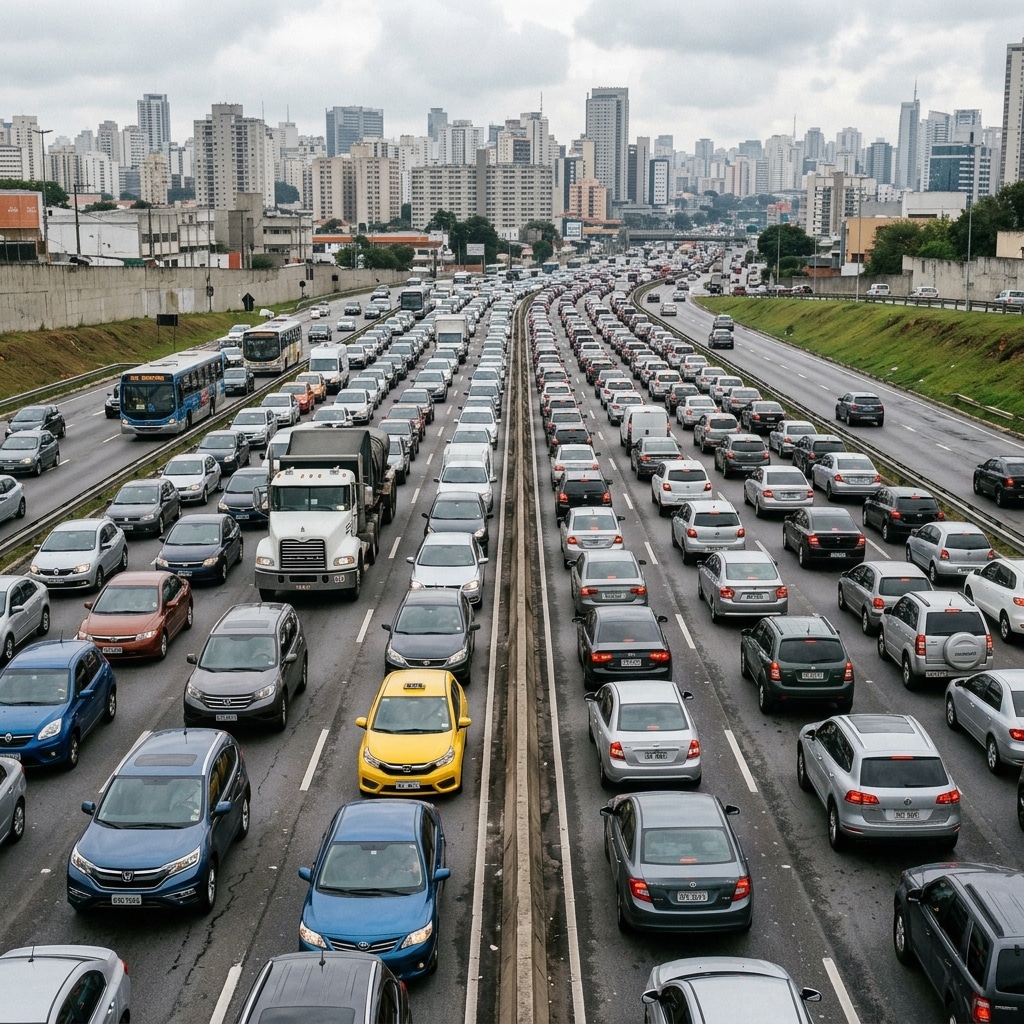
15. Traffic in major cities is miserable
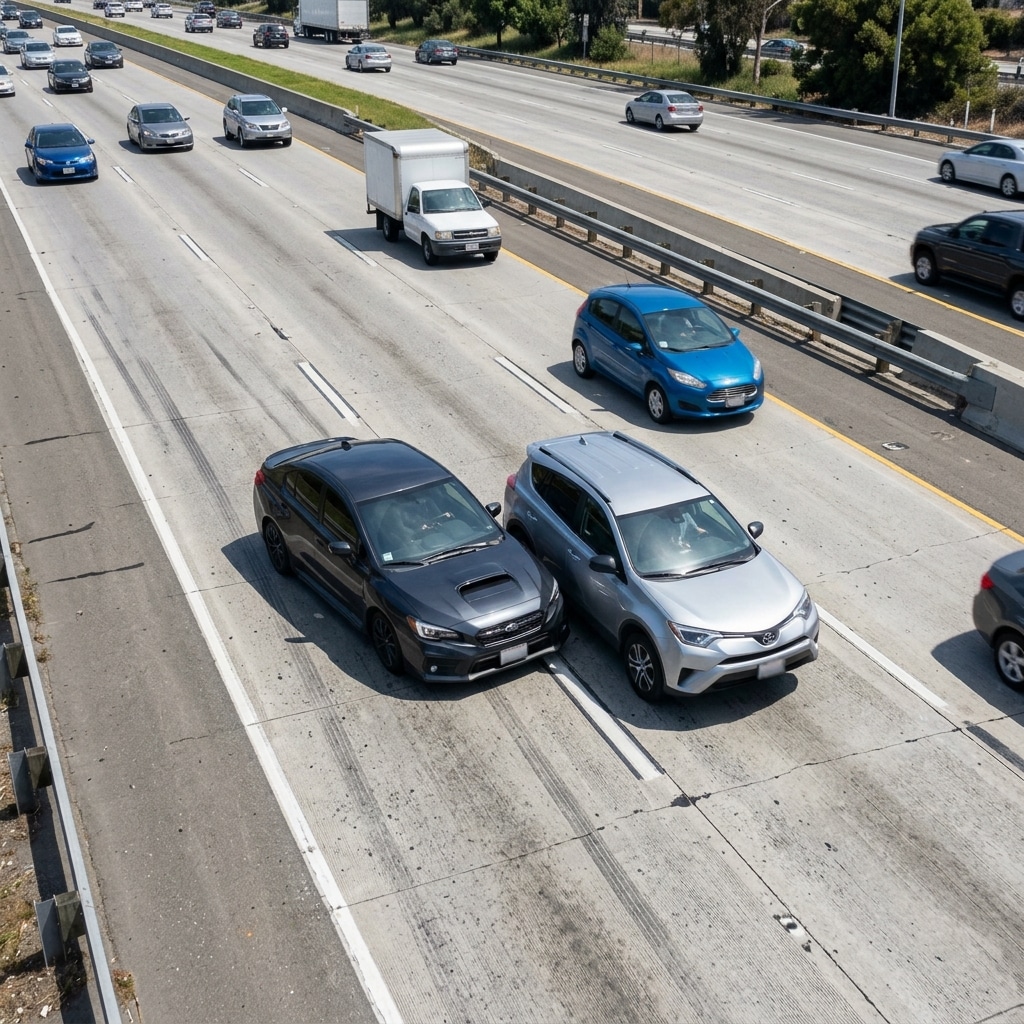
Traffic in places like Houston, Dallas, and Austin can feel soul-draining.
Retirees often imagine peaceful schedules and relaxing days. Then a simple doctor’s appointment turns into ninety minutes of highway traffic and endless lane changes through suburban sprawl.
And unlike commuters, retirees cannot even tell themselves they are getting paid to deal with it.
14. Hurricanes and tornadoes create constant stress
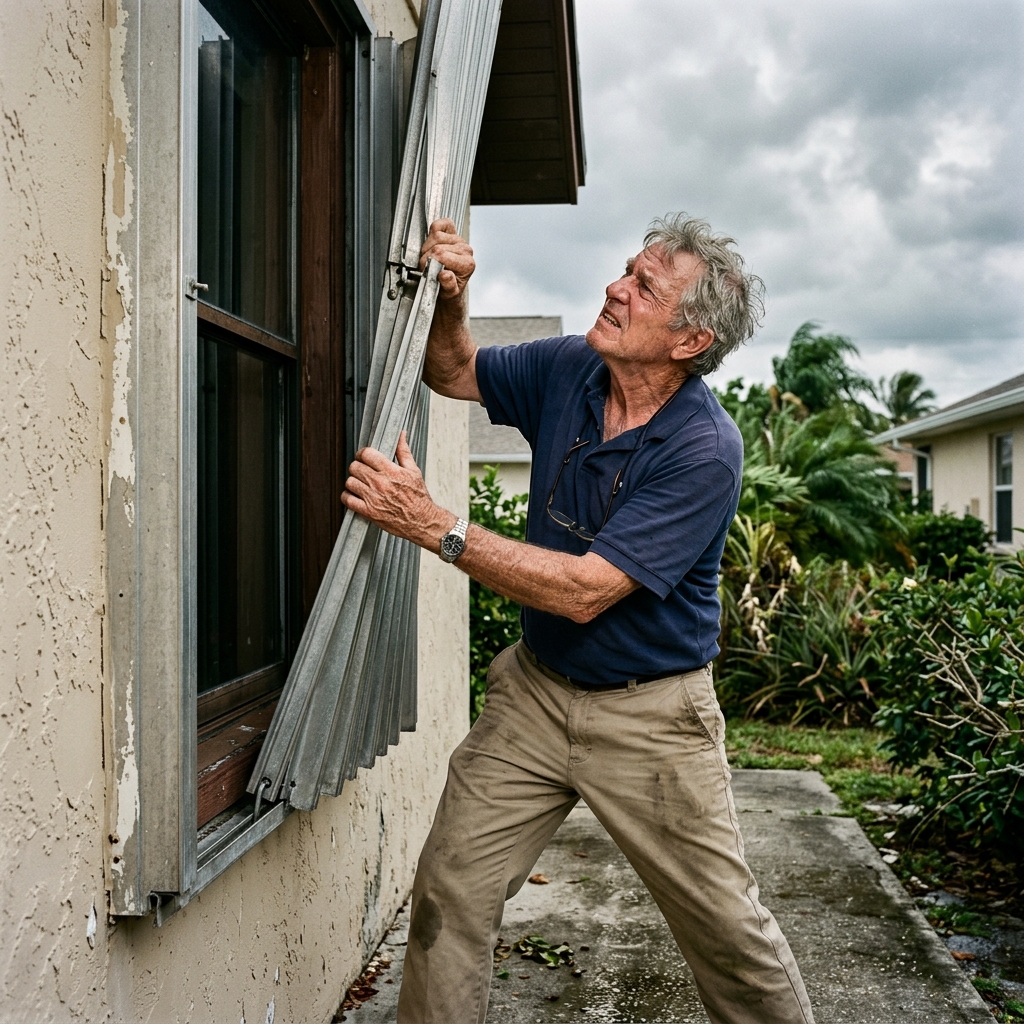
Texas faces a huge range of severe weather threats.
Coastal regions deal with hurricanes. Other areas face tornadoes, hailstorms, flash floods, and violent thunderstorms.
Retirement is supposed to reduce stress. Instead, some retirees spend every storm season anxiously checking weather apps and preparing emergency plans.
That tension wears people down over time.
13. Flooding is a serious problem in many areas
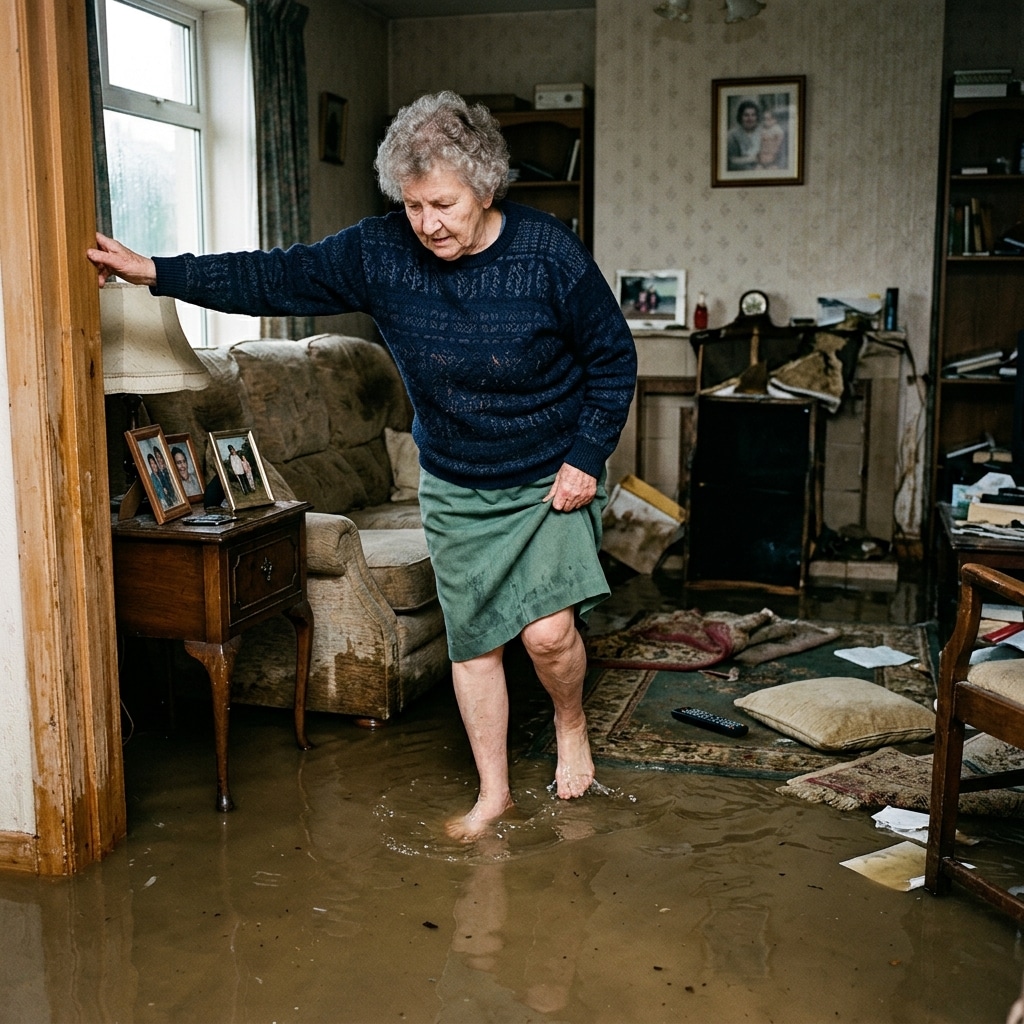
Flooding has become one of the biggest worries in parts of Texas.
Some neighborhoods repeatedly flood after major storms, even outside official flood zones. Retirees sometimes discover too late that “rare flooding events” are not actually very rare.
The emotional stress alone can become exhausting.
Especially when every major rainstorm suddenly feels threatening.
12. The electrical grid still worries retirees
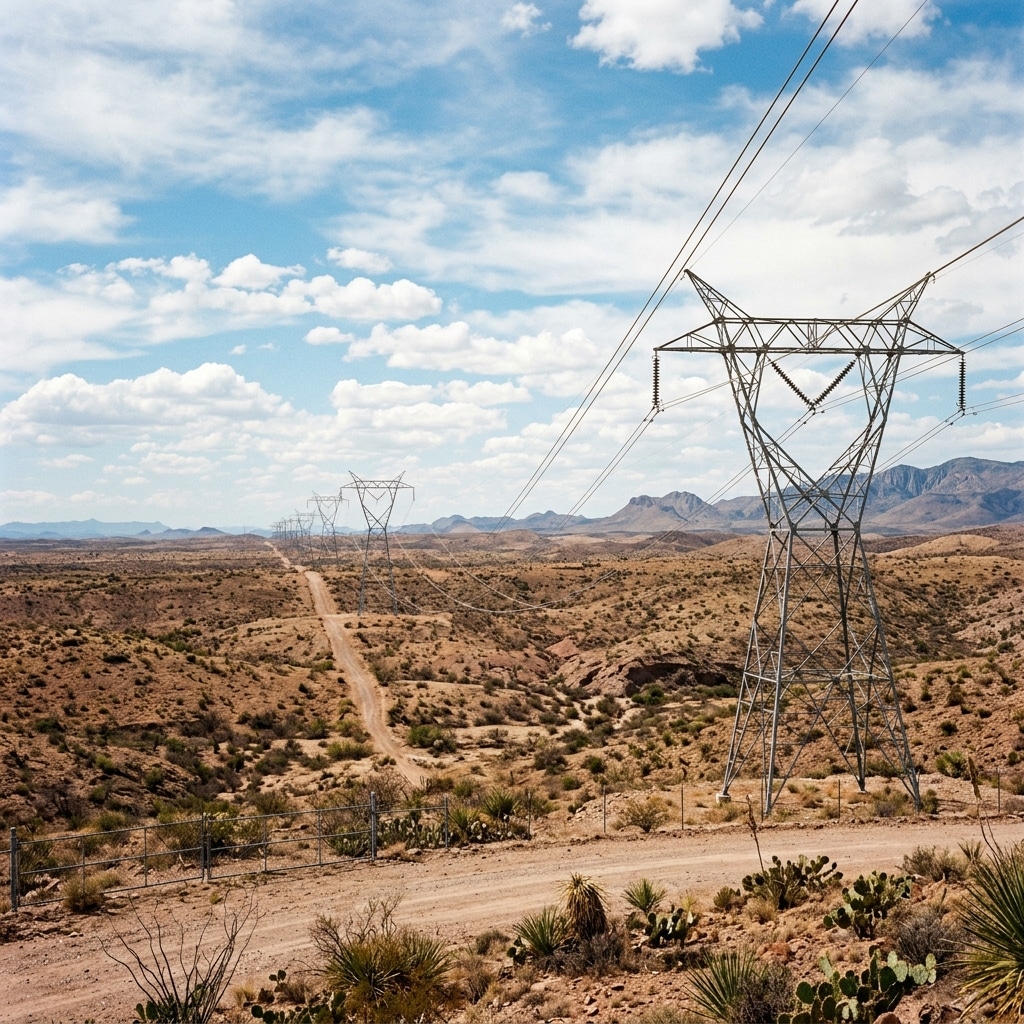
Texas badly damaged confidence in its power grid during major outages tied to extreme weather.
Even years later, many retirees remain uneasy about whether the system can reliably handle severe heat or cold.
For older adults, losing electricity is not just inconvenient. During dangerous temperatures, it can quickly become a serious health concern.
11. Air conditioning becomes a nonstop expense
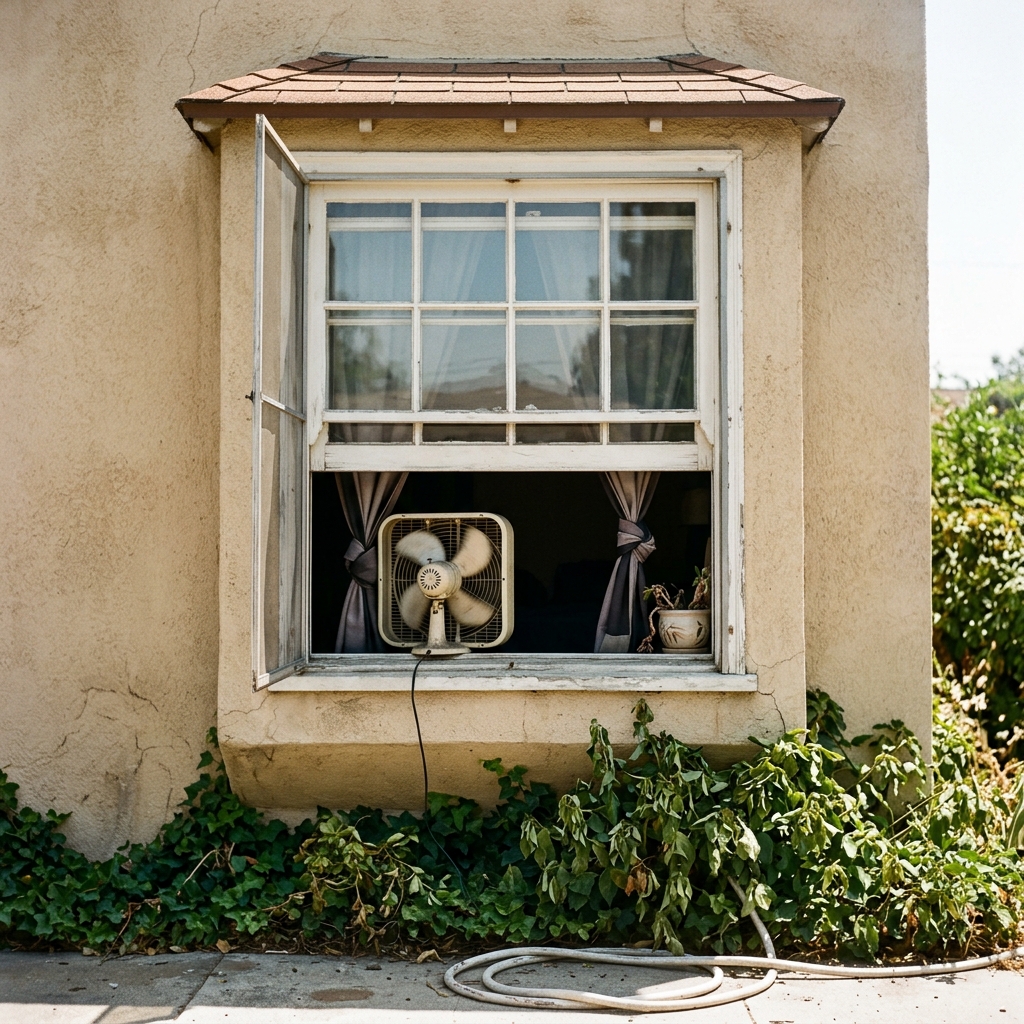
In much of Texas, air conditioning runs constantly for large parts of the year.
And that gets expensive fast.
Some retirees are shocked when summer electricity bills climb into the hundreds of dollars every month just to keep the house comfortable.
People move to Texas expecting lower living costs and end up paying enormous cooling bills instead.
10. Summers can feel absolutely brutal

Texas heat is not just “nice warm weather.”
In many areas, it becomes oppressive.
Triple-digit temperatures can stretch for weeks. The pavement radiates heat. Humidity makes the air feel heavy and exhausting. Even short walks outside can feel draining.
Some retirees eventually realize they spend more time trapped indoors hiding from the heat than they ever spent hiding from winter snow up north.
That realization hits hard.
9. Healthcare access depends heavily on where you live

Texas has excellent hospitals in certain major cities.
But outside those areas, healthcare access can become far more difficult. Retirees in smaller towns may face long drives, fewer specialists, or limited medical services nearby.
And as people age, healthcare convenience stops being optional.
It becomes one of the most important parts of daily life.
8. Long-term care can become difficult and expensive

Many retirees do not think seriously about long-term care until they suddenly need it.
In parts of Texas, quality long-term care facilities can be expensive, understaffed, or difficult to access. Families may also live hours away because of the state’s enormous size.
That can create a frightening situation later in life when support matters most.
7. Retirement communities can feel strangely artificial
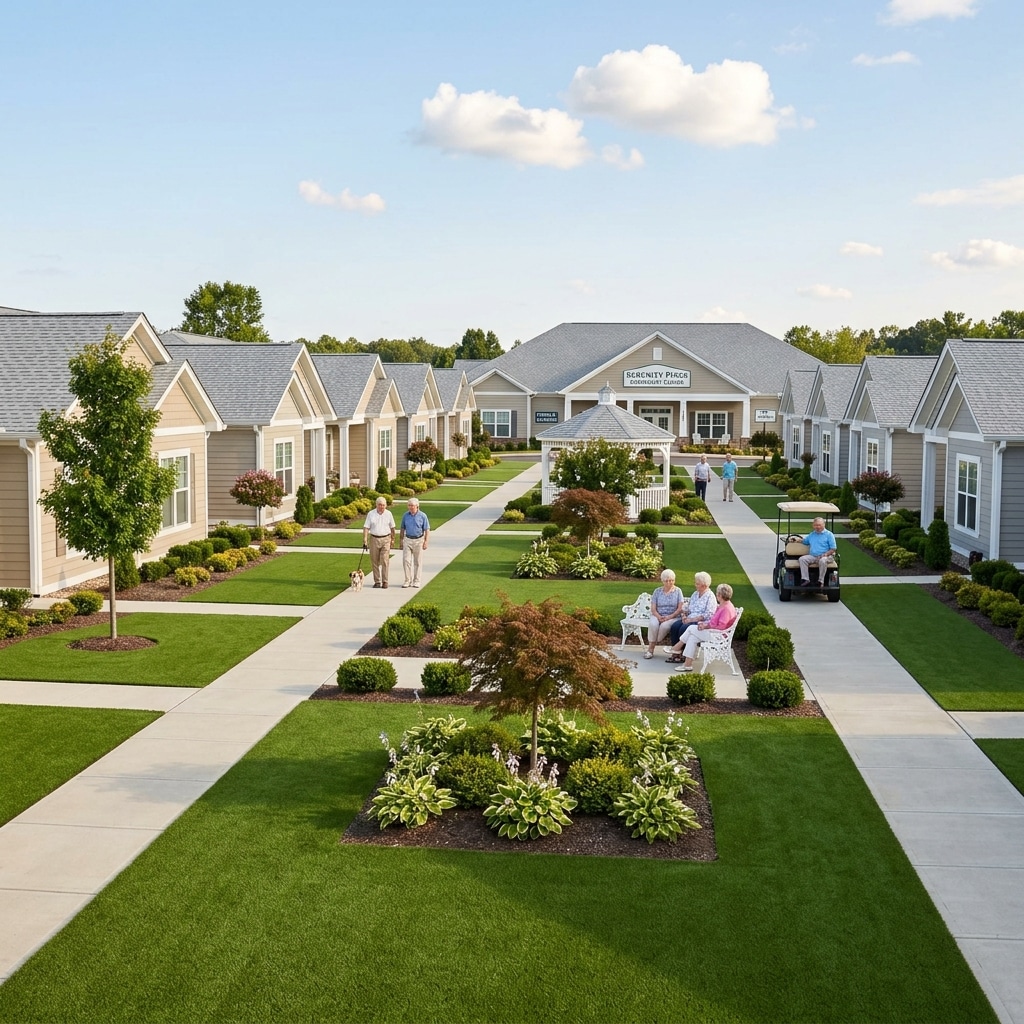
Texas has endless retirement developments filled with neat lawns, identical homes, matching clubhouses, and highly managed social calendars.
Some retirees love that environment.
Others eventually feel like they are living inside a giant template.
Rows of nearly identical homes can start feeling sterile rather than charming. Instead of authentic communities with personality and history, some developments feel manufactured from the ground up.
6. Rapid migration has changed the culture
Texas has changed enormously over the past decade.
Many longtime residents say their communities feel less local, less personal, and far more corporate than they once did. Entire neighborhoods transform almost overnight as waves of newcomers arrive from across the country.
Some retirees move to Texas chasing an older image of the state that no longer fully exists.
Instead of laid-back small-town culture, they find luxury apartments, chain developments, overcrowding, and nonstop growth.
5. The state is divided and polarized

For some retirees, the atmosphere in Texas becomes emotionally draining.
People moving from other regions sometimes feel surrounded by nonstop arguments, social debates, and deep polarization. Even casual conversations can unexpectedly become tense.
Many retirees simply want peace, community, and relaxation during retirement.
Instead, they feel like they moved into constant conflict.
4. Home insurance costs keep rising

Many retirees move to Texas expecting affordability.
Then the insurance bills arrive.
Storm risks, hail damage, hurricanes, flooding concerns, and rapid population growth have pushed insurance premiums sharply upward across much of the state.
Some homeowners say their insurance costs increased so dramatically that it completely changed their retirement finances.
3. “No income tax” can be deeply misleading

Texas constantly promotes itself as a no-income-tax state.
But many retirees eventually realize the state gets its money elsewhere.
High property taxes, rising insurance costs, toll roads, high cooling bills, and growing living expenses can quickly erase the savings people expected.
For some retirees, the “cheap Texas lifestyle” turns out to be far more expensive than advertised.
2. Retirees can feel isolated from family

A retirement destination may look perfect on paper until real life happens.
Being far away from children, grandchildren, or lifelong friends can become emotionally painful over time. Holidays feel lonelier. Emergencies become harder. Quick family visits turn into expensive flights or exhausting road trips.
Many retirees underestimate how important proximity to family becomes as they age.
And by the time they realize it, they already built an entirely new life far away.
1. Retirees can get “taxed out” of homes they already paid off
This is the issue that shocks many retirees the most.
People move to Texas, buy a house, pay off the mortgage, and assume their housing costs will finally stabilize.
Then property taxes keep rising.
And rising.
And rising.
Some retirees suddenly face yearly tax bills that feel like a second mortgage payment. Others realize they can no longer comfortably afford the very home they spent decades working toward.
That creates a deeply frustrating feeling: even after fully paying off your house, you still never truly feel financially secure inside it.
For many retirees, that completely destroys the retirement dream they thought they were buying into.