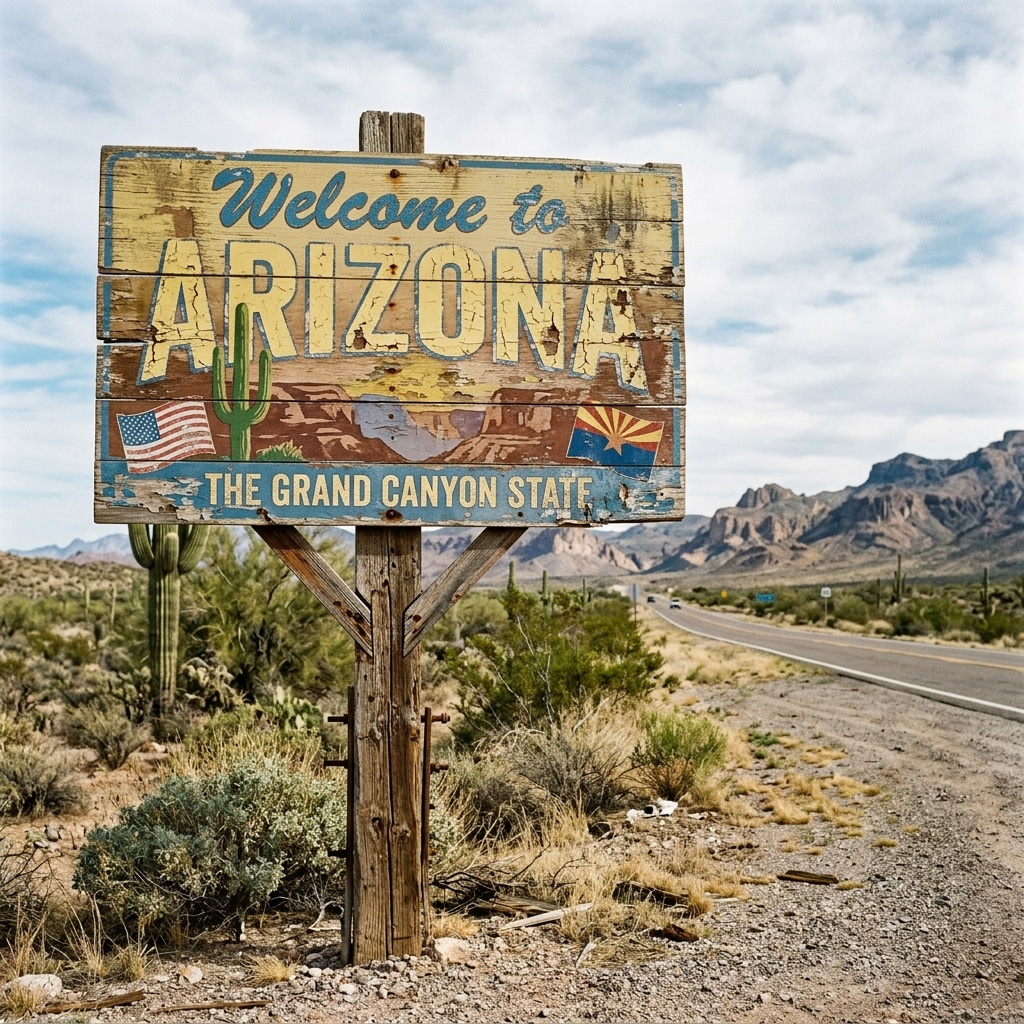
Arizona sells one of the most appealing retirement fantasies in America.
You picture yourself golfing in January while your northern friends scrape ice off their windshields. You imagine morning hikes through beautiful desert scenery, poolside afternoons, endless sunshine, and a relaxed outdoor lifestyle.
And for part of the year, Arizona really can feel exactly like that.
But many retirees eventually discover something they did not fully understand during their winter vacations: Arizona is often a much better place to visit than to live year-round.
The state that feels magical in February can feel exhausting by August. The sunshine that once seemed cheerful starts feeling oppressive. And the “easy desert lifestyle” slowly becomes a daily routine built around avoiding heat, sitting in traffic, and watching your utility bills climb higher every summer.
Here are 33 reasons Arizona may actually be one of the worst states to retire.
32. You May End Up Trapped Indoors for Months Due to the Heat
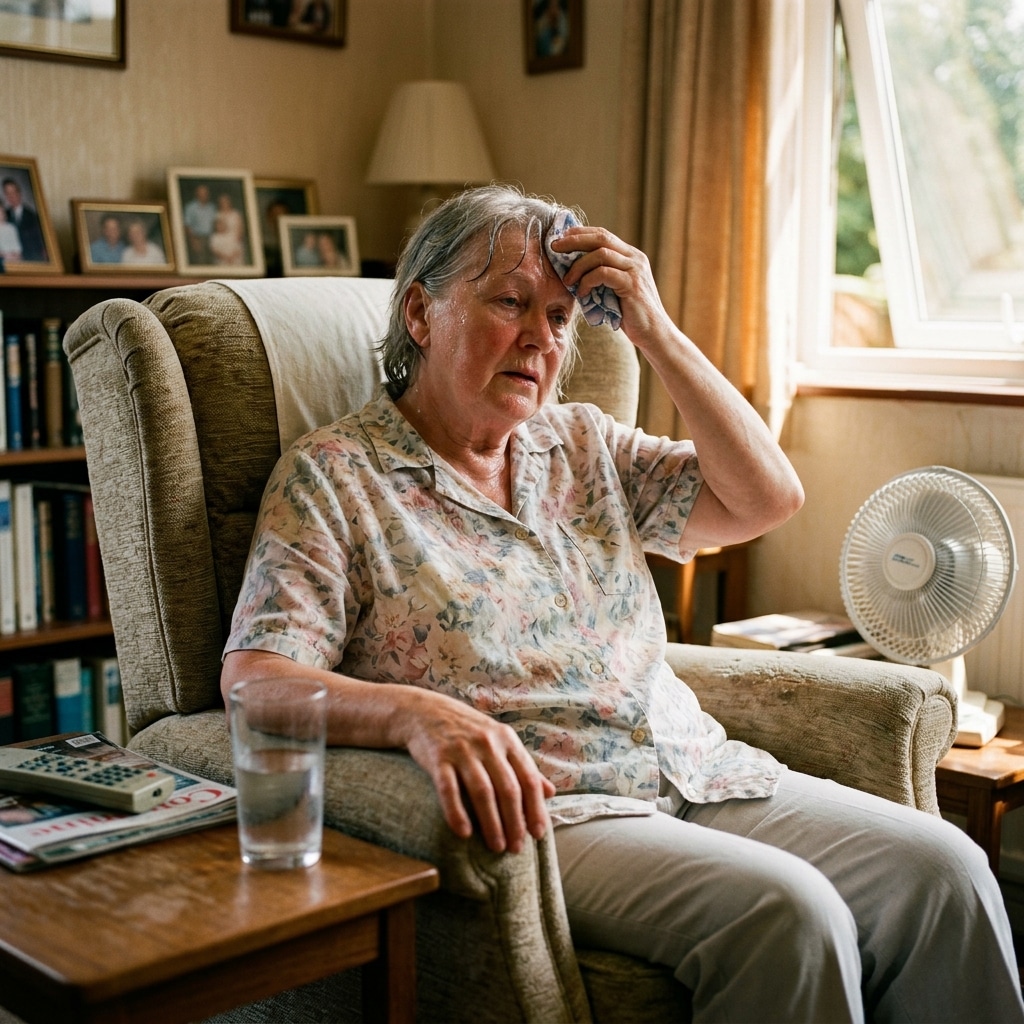
Arizona’s extreme summer temperatures can force retirees indoors for large portions of the year. Many people move there dreaming about outdoor retirement living, only to discover they spend entire afternoons hiding inside with the blinds closed.
By July, patios sit empty, parks are deserted, and simple errands start feeling exhausting. Some retirees describe Arizona summers as “reverse winters.” Instead of snow trapping you inside, it is dangerous heat.
The irony is hard to ignore: people move there for outdoor living… then spend four months avoiding the outdoors.
31. Even Nights Can Stay Near 100 Degrees

Arizona’s desert heat often lingers deep into the night, especially around Phoenix. Many newcomers expect cool desert evenings and are shocked when it is still 99 degrees at midnight.
The roads, parking lots, and concrete absorb heat all day and slowly release it overnight. Residents often joke that summer evenings feel like somebody left the oven running.
In most climates, nighttime brings relief. In Arizona summers, it sometimes just feels like slightly darker daytime.
30. Air Conditioning Becomes a Survival Issue
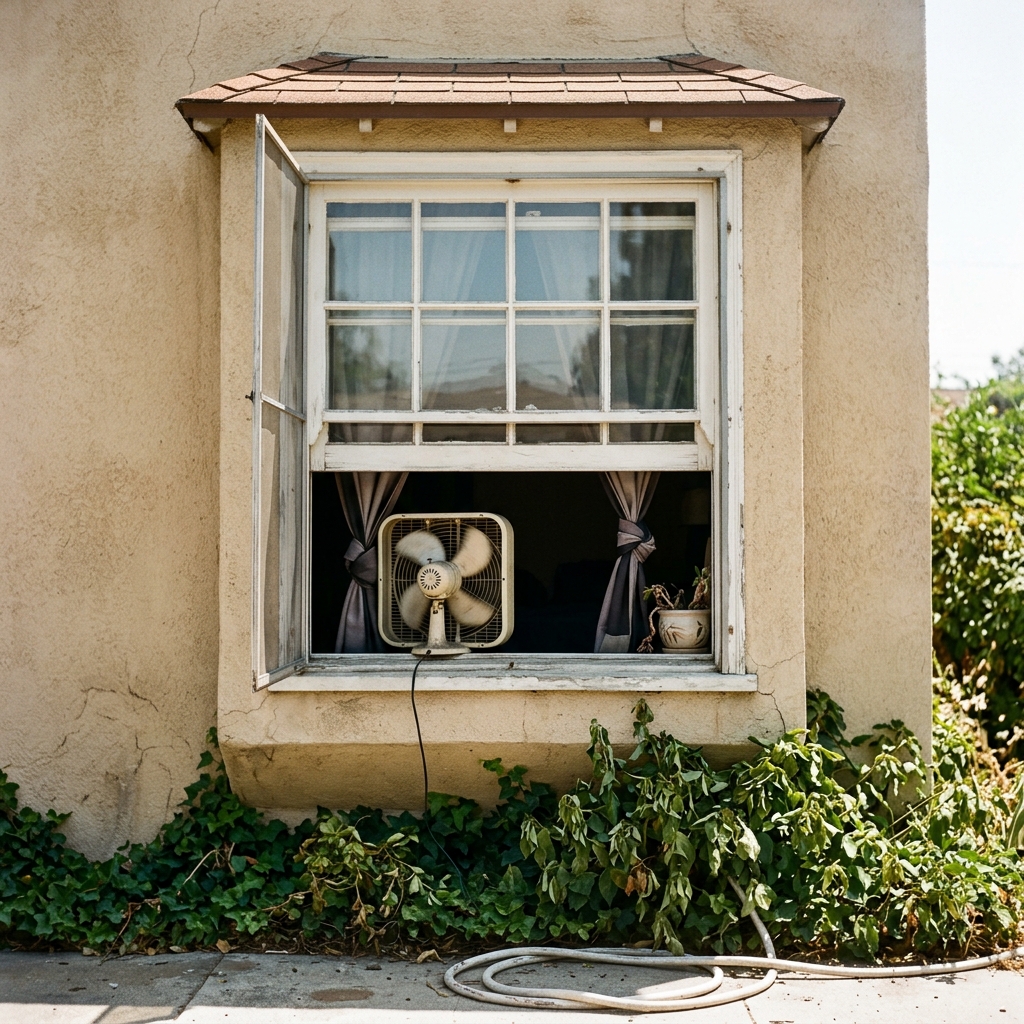
Arizona’s extreme summer heat makes air conditioning less of a convenience and more of a survival necessity. Residents genuinely panic when their unit starts making strange noises during a heat wave because they know how serious a breakdown can become.
A failed air conditioner can turn a home dangerous within hours, especially for older adults. Entire industries exist around emergency cooling repairs because the demand becomes so intense every summer.
You stop taking cool air for granted very quickly in Arizona.
29. Power Bills Can Eat Into a Retirement Budget
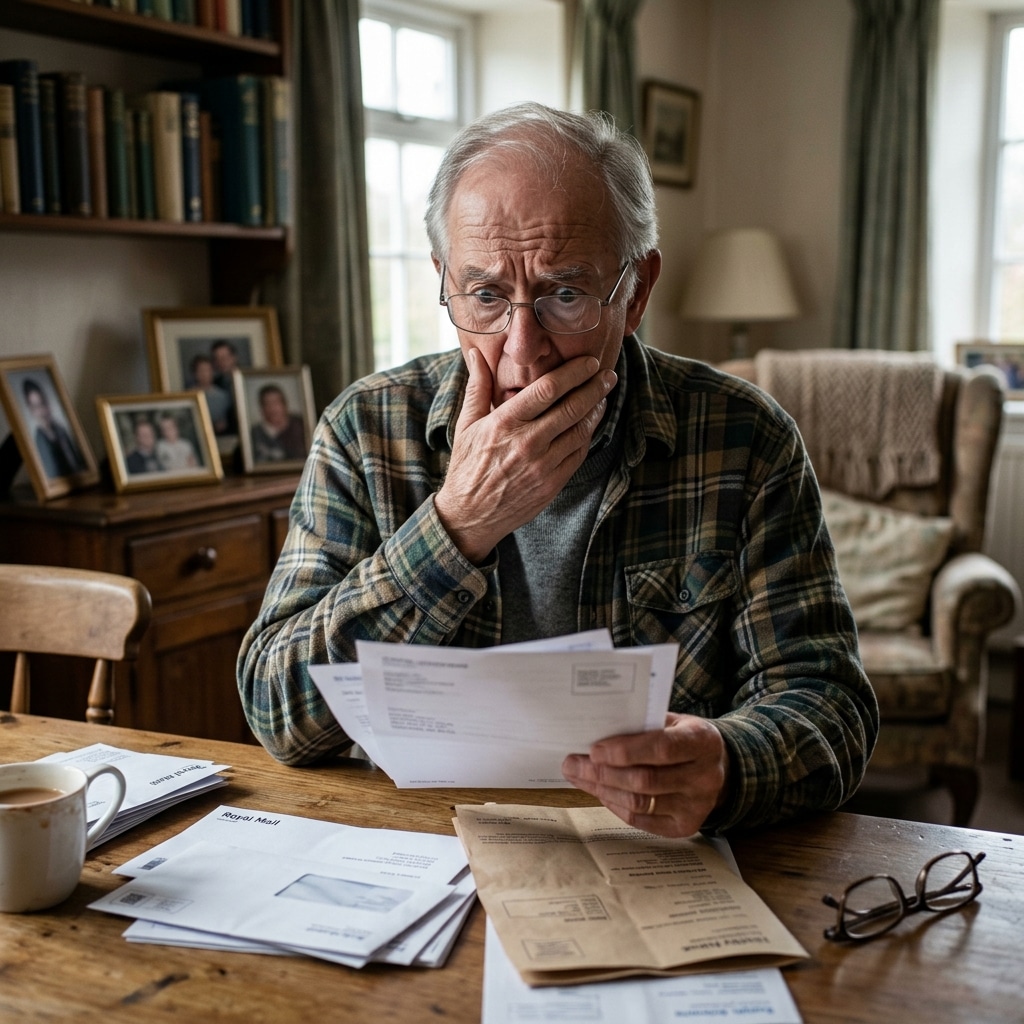
Arizona’s long summers can make electricity bills surprisingly expensive for retirees on fixed incomes. Cooling a home through months of triple-digit temperatures becomes one of the largest household expenses of the year.
Older homes often struggle the most, especially those with large windows or weak insulation. Some retirees say their summer utility bills feel like paying a second mortgage.
The sunshine is free. Keeping your house survivable is not.
28. Golf Often Means Dawn Tee Times or Extreme Heat

Arizona’s extreme summer temperatures often make golfing uncomfortable unless retirees play very early in the morning. That beautiful retirement fantasy of leisurely afternoon golf disappears quickly once temperatures reach 110 degrees.
Many golfers start teeing off at sunrise just to avoid the worst heat. Others simply stop playing for large portions of summer altogether.
Arizona loves advertising golf culture. What the brochures rarely mention is the 5:00 AM alarm clock.
27. Hiking and Biking Can Be Unsafe in Peak Summer
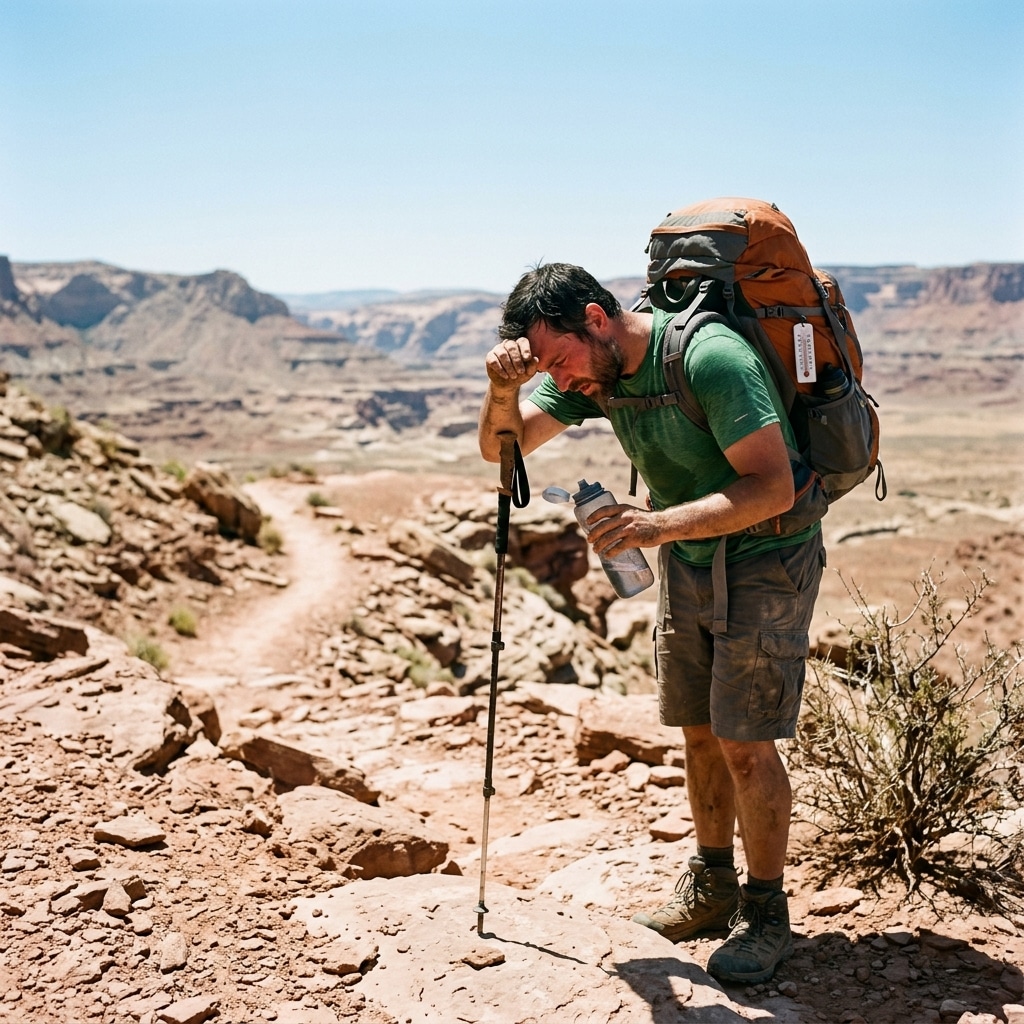
Arizona’s summer heat can make outdoor exercise dangerous, even for active retirees. Hiking and biking trails that feel beautiful in winter become risky during peak summer months.
Every year, rescue crews respond to hikers suffering from heat exhaustion after underestimating conditions. Even experienced outdoor enthusiasts struggle once temperatures climb high enough.
Many retirees eventually realize their “active outdoor retirement” only comfortably exists for part of the year.
26. Phoenix Is Not Very Walkable
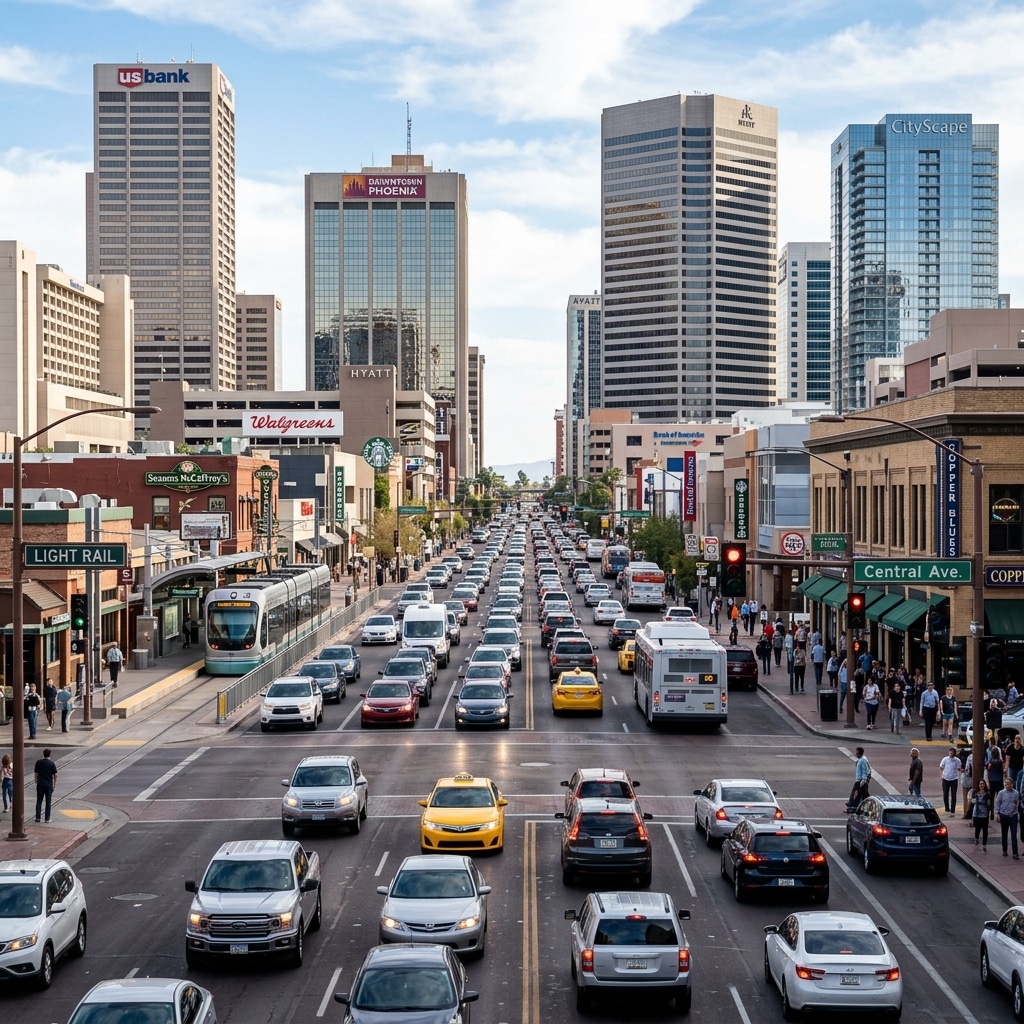
Phoenix is heavily car-dependent, and many retirees are surprised by how difficult it is to live there without constantly driving. The metro area was designed around wide roads, large parking lots, and suburban sprawl.
Retirees coming from older cities often imagine relaxing walks to restaurants or stores. Instead, they find giant intersections, long distances, and neighborhoods where nearly every errand requires a car.
And during summer, even short walks can feel miserable anyway.
25. Driving 20–30 Minutes for Errands Is Common

The Phoenix metro area is enormous, and retirees often underestimate how much driving daily life involves. A grocery trip, doctor appointment, or dinner reservation can easily require thirty minutes on the road.
Over time, the endless driving starts wearing people down. Many retirees say Arizona feels less relaxing than they expected because so much of life revolves around traffic and commuting.
Simple errands rarely stay simple for long.
24. Snowbird Season Frustrates Locals
Arizona’s population swells dramatically every winter as seasonal residents flood the state. Restaurants get crowded, roads become slower, and locals complain nonstop about the extra traffic.
Ironically, many retirees move to Arizona hoping for peace and simplicity… then spend winter surrounded by one of the largest seasonal migrations in America.
Some residents openly dread snowbird season every year.
23. Road Rage and Reckless Driving Worry Residents

Arizona’s aggressive driving culture makes many retirees anxious about being on the road. Tailgating, speeding, dangerous lane changes, and road rage incidents are common complaints among residents.
Some retirees say driving in Phoenix feels more stressful than driving in much larger cities elsewhere in the country. Others avoid nighttime driving entirely because the roads feel chaotic and unpredictable.
The heat seems to make everybody angrier.
22. Car Batteries Die Faster in the Heat
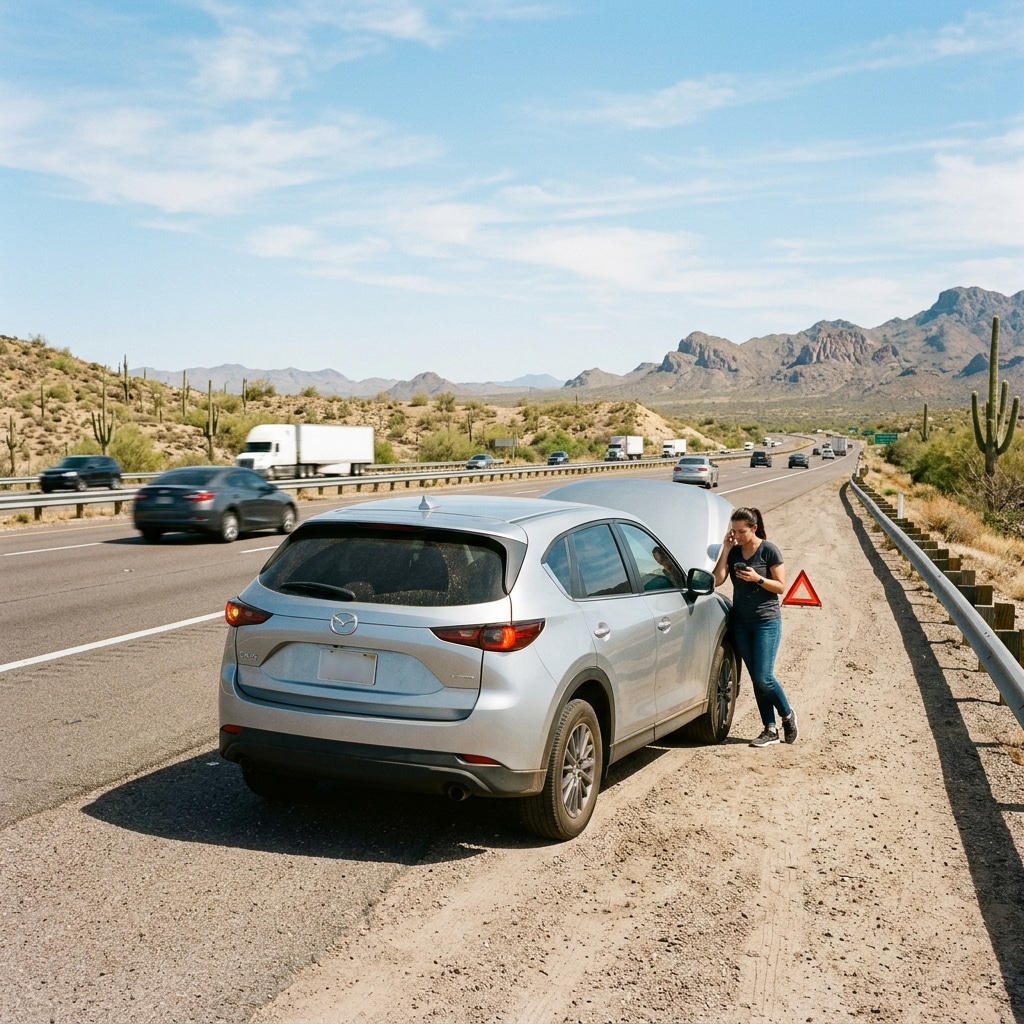
Arizona’s extreme temperatures cause car batteries and other vehicle components to wear out much faster than in cooler climates. Residents frequently replace batteries years earlier than expected.
The heat also damages paint, cracks interiors, destroys tires, and turns steering wheels into branding irons during summer afternoons.
Retirees moving from cooler states are often surprised by how physically hostile the climate is to vehicles.
21. Arizona Has Serious Water Worries
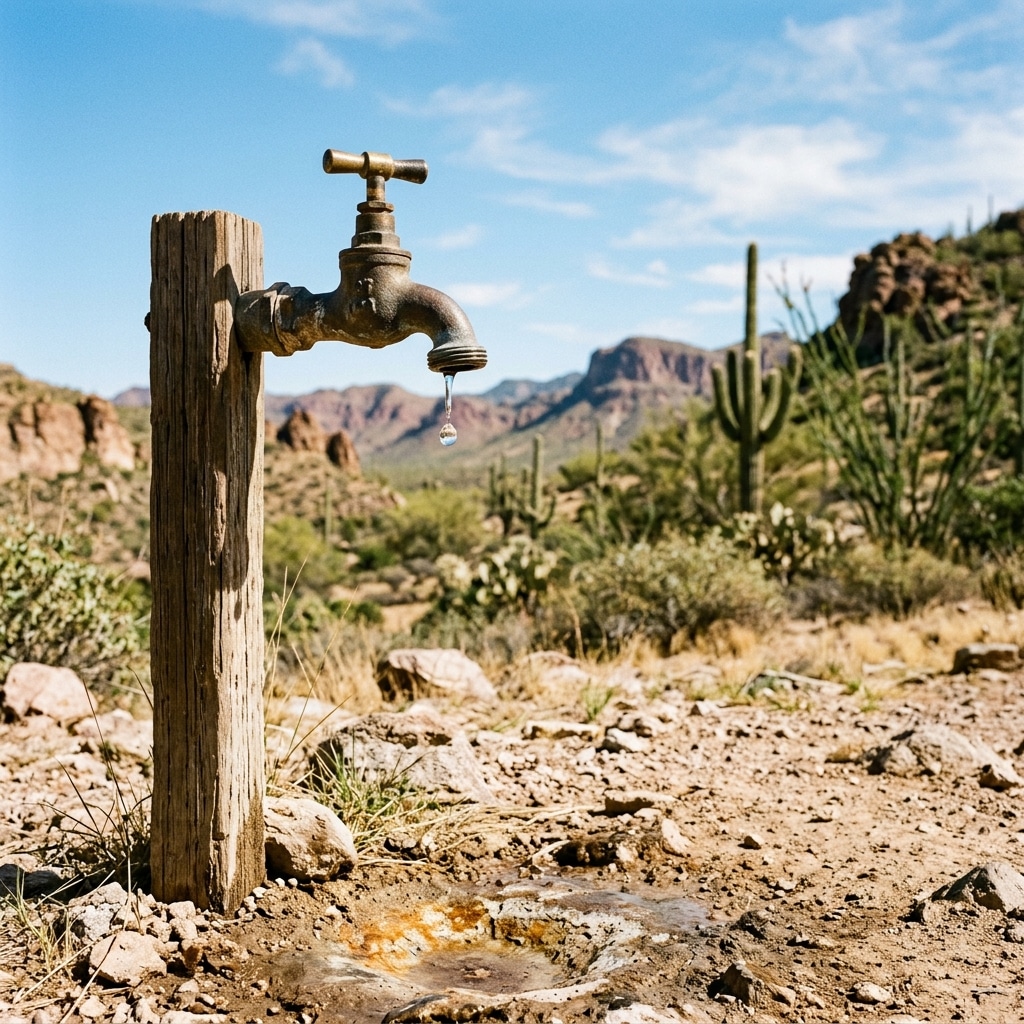
Arizona’s long-term water supply has become one of the state’s biggest concerns. Residents constantly hear about drought conditions, shrinking reservoirs, and dependence on the Colorado River.
Many retirees become uncomfortable investing their future in a region where water uncertainty dominates public discussion. The state’s rapid growth only intensifies those concerns.
It is hard to fully relax in retirement when the future of basic resources feels uncertain.
20. Some Buyers Fear Investing in Areas That May Face Water Shortages
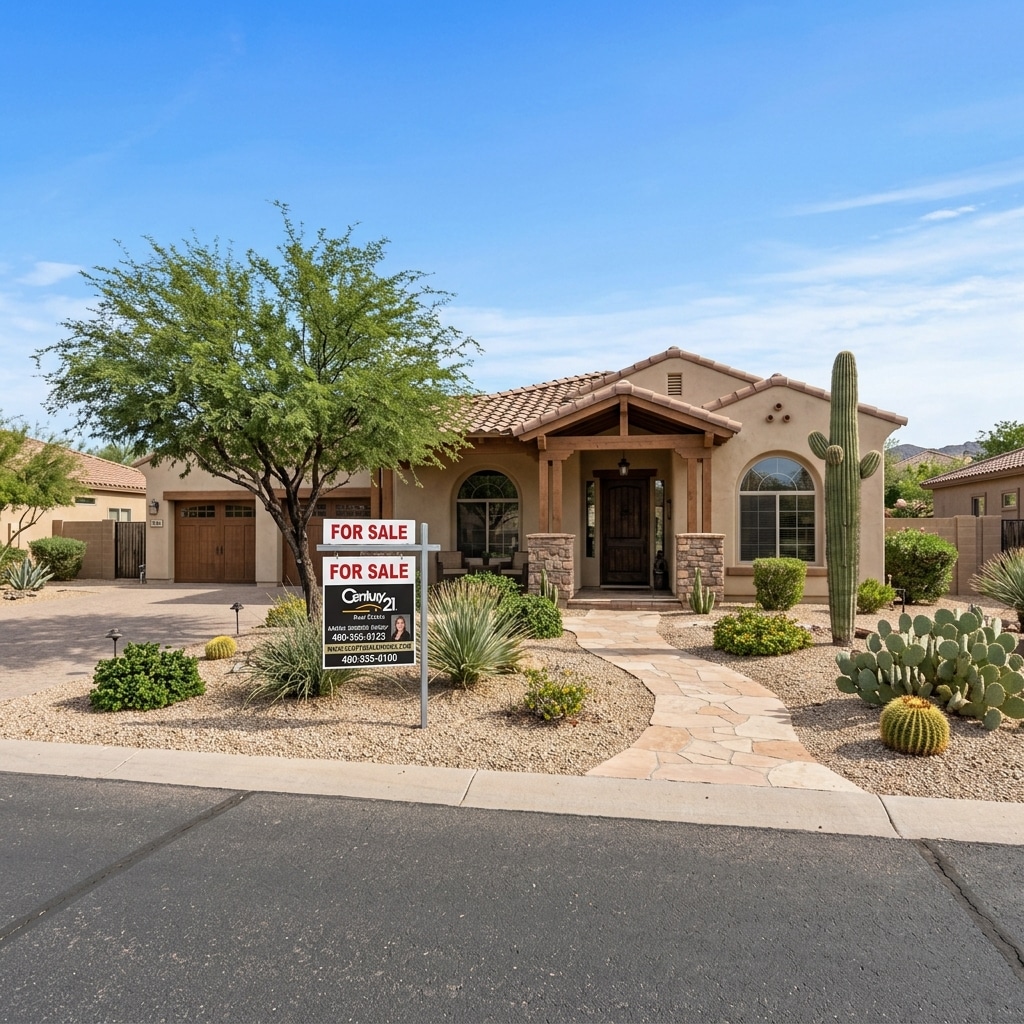
Some retirees hesitate to buy property in Arizona because they worry future water shortages could affect long-term home values and livability. Retirees often make one final major housing decision, so uncertainty about Arizona’s water future feels especially serious.
Nobody wants to spend retirement wondering whether their region can sustain explosive population growth while depending on shrinking water supplies.
Even if major shortages never happen, the anxiety alone is enough to make some retirees think twice before buying there.
19. The Dry Air Can Be Hard on Skin and Joints
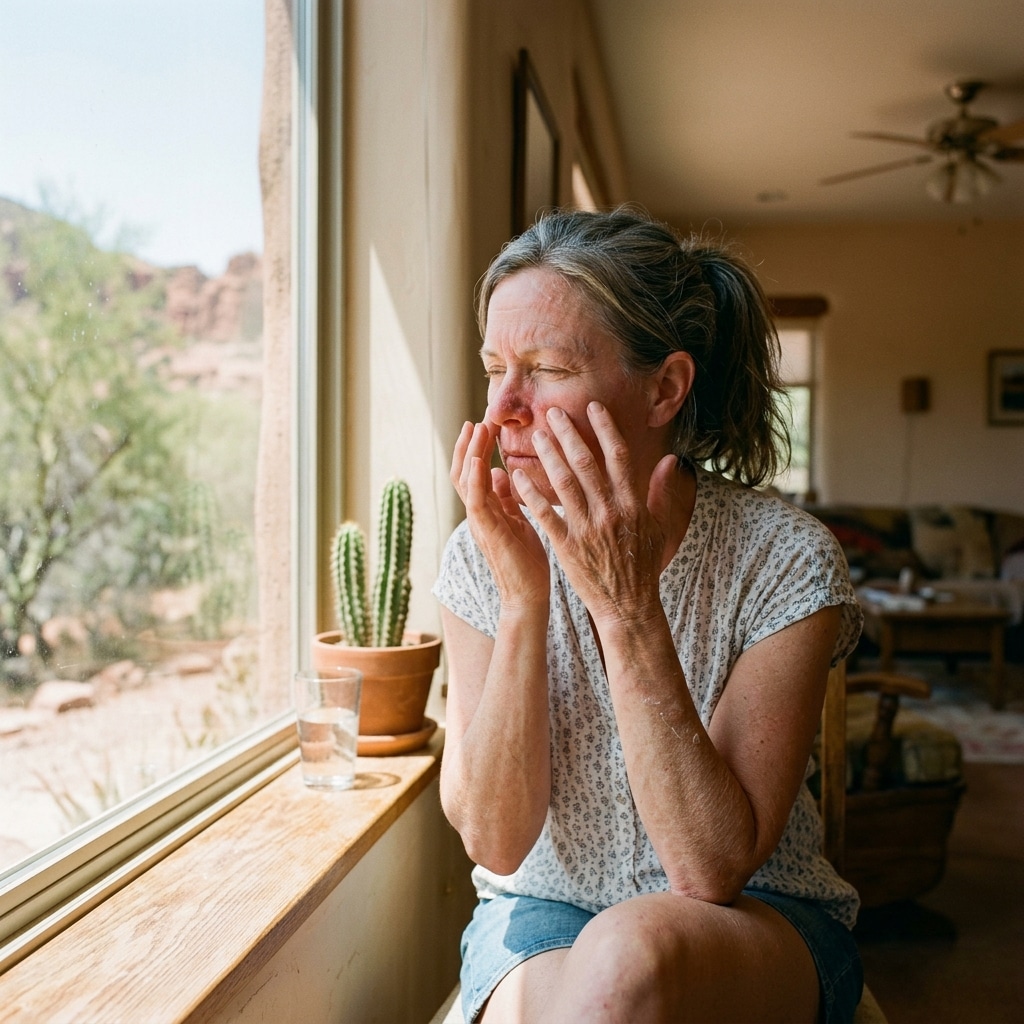
Arizona’s desert climate creates constant dryness that some retirees struggle with physically. Cracked lips, dry eyes, irritated skin, dehydration, and nosebleeds become regular annoyances for many residents.
Some people love the dry heat at first, especially after leaving humid climates. But living in extreme dryness year-round can slowly wear people down.
There is lotion everywhere in Arizona for a reason.
18. Dust and Allergens Bother Some Residents
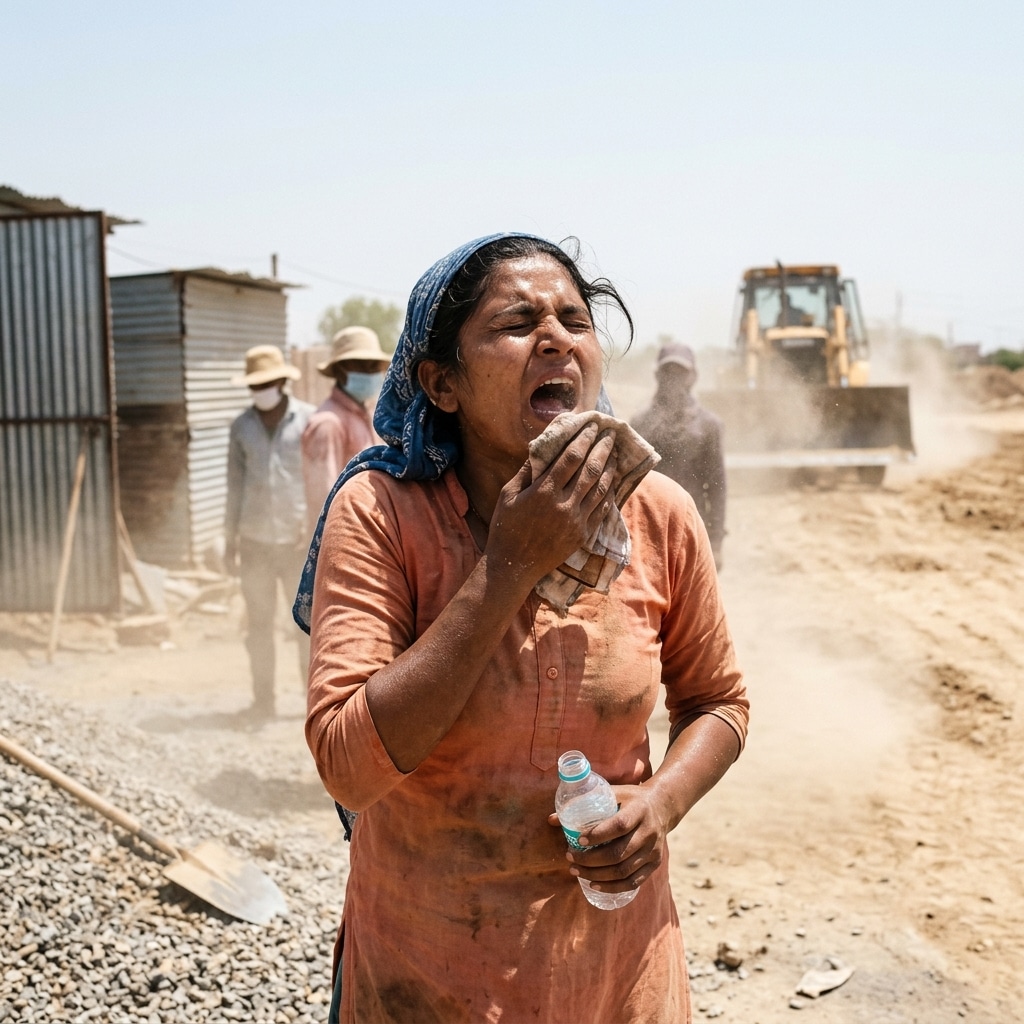
Dust, pollen, and dry desert air cause constant irritation for some Arizona residents, especially retirees with allergies or respiratory sensitivities. Dust storms can sweep through cities with surprisingly little warning.
Fine desert dust settles on patios, cars, windows, and outdoor furniture constantly. Some retirees feel like they traded snowy winters for year-round sinus problems.
The desert is not always as “clean” as people imagine.
17. Tap Water Taste Bothers Some Locals

Many retirees dislike Arizona’s hard tap water because of its strong mineral taste and poor drinking quality. Newcomers often notice the difference immediately.
Many residents end up relying heavily on bottled water, filtration systems, or water softeners. Even longtime locals joke about the water tasting strange.
It sounds like a small issue until it becomes part of daily life.
16. The Desert Landscape Can Feel Brown and Bleak
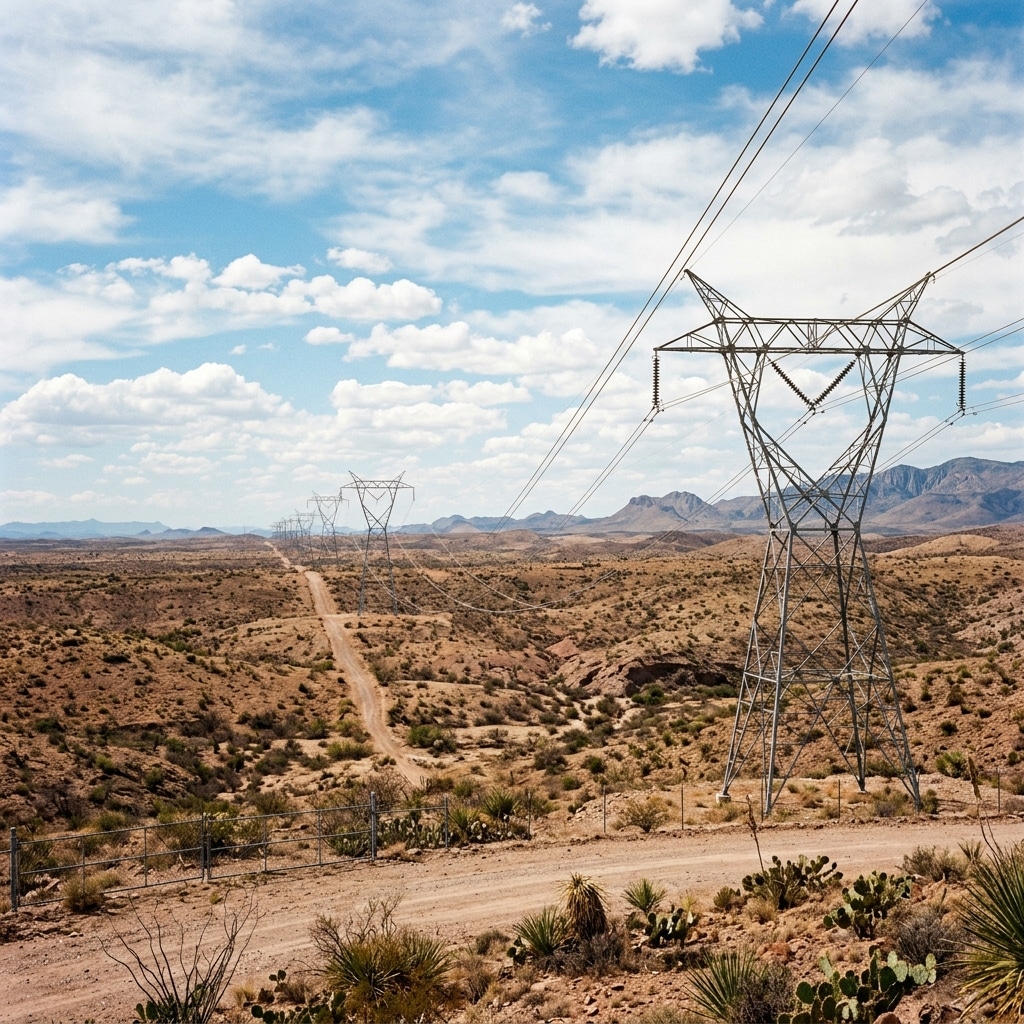
Arizona’s dry desert scenery can eventually feel visually exhausting for retirees who grew up around forests, lakes, or coastal landscapes. Endless beige walls, gravel yards, and dusty terrain are not emotionally uplifting for everyone.
Some retirees slowly realize they miss greenery far more than they expected. Others find the endless brown scenery surprisingly depressing after several years.
Environment matters more in retirement because you spend so much time living in it.
15. Urban Sprawl Is Replacing Desert Views
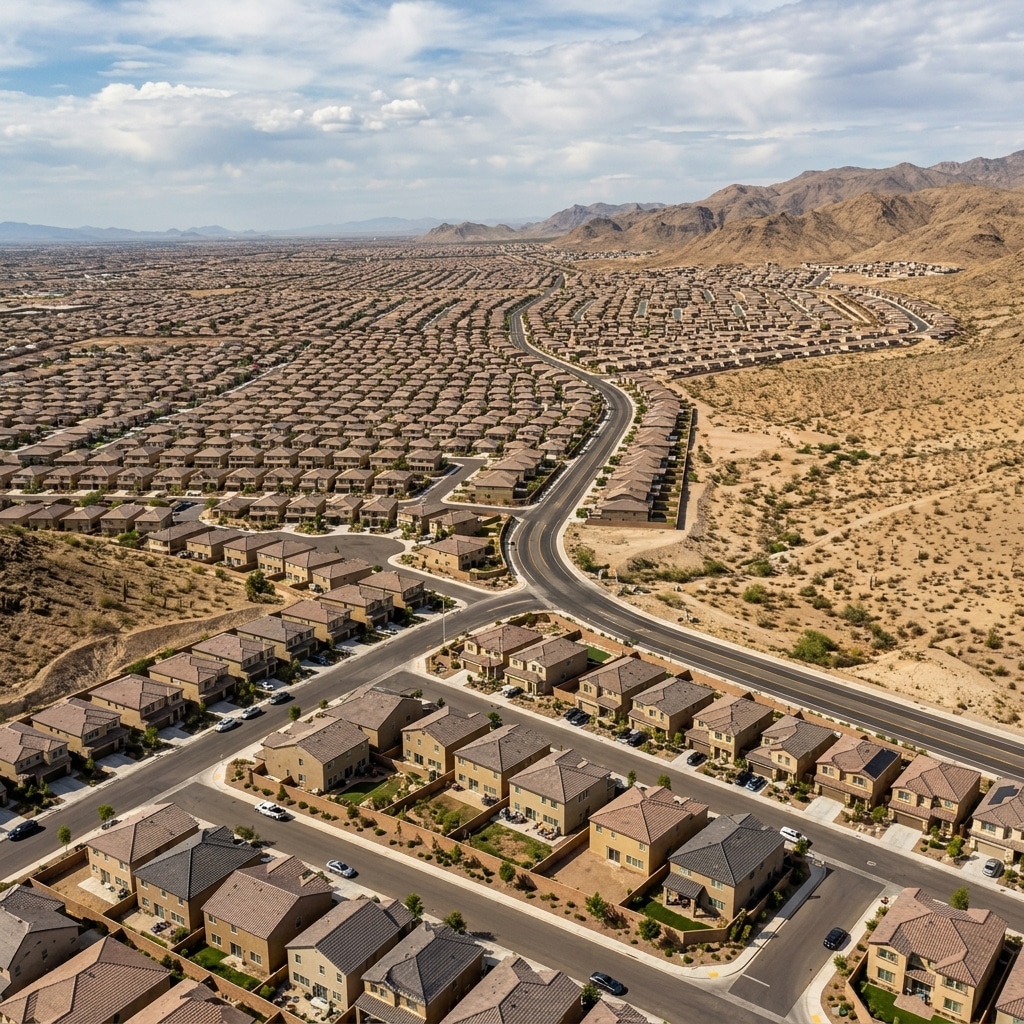
Rapid suburban development across Arizona is replacing natural desert scenery with housing developments, warehouses, and commercial sprawl. Areas that once felt scenic now look increasingly generic.
Longtime residents often complain that the state is paving over the very beauty that attracted people there in the first place.
Some retirees arrive chasing “desert charm” and discover mostly traffic lights and construction cranes instead.
14. Growth Has Made Many Areas Feel Overcrowded
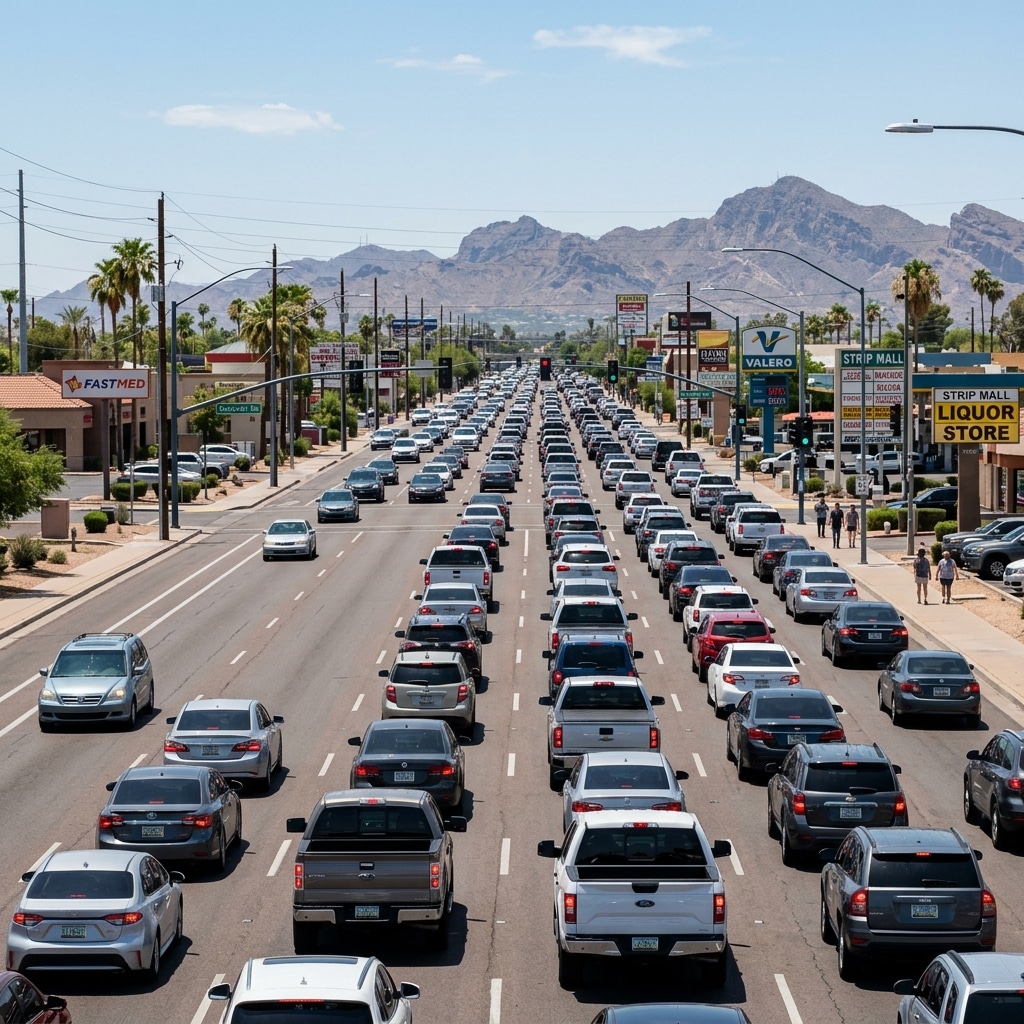
Arizona’s rapid population growth has made many once-quiet communities feel crowded, busy, and overdeveloped. Roads are fuller, restaurants are packed, and housing developments continue expanding in every direction.
Many longtime residents openly say Arizona no longer feels peaceful the way it once did.
The relaxed desert atmosphere people remember from old vacations is disappearing fast.
13. Housing Costs Have Risen Sharply
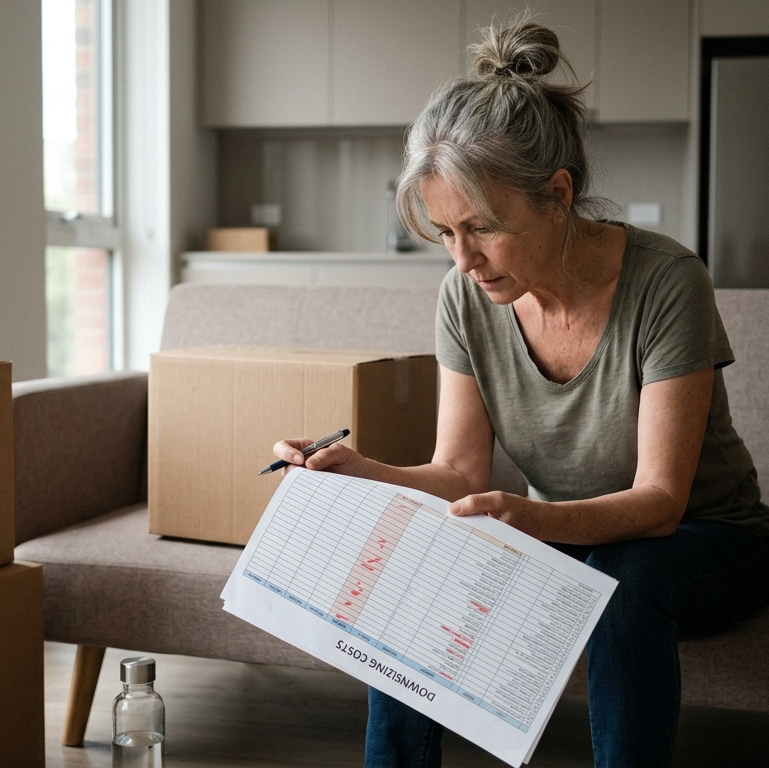
Arizona is no longer the affordable retirement destination many people imagine. Housing prices have surged across Phoenix, Scottsdale, and many retirement-friendly communities.
Rents have climbed dramatically as well, especially in desirable areas with good healthcare and amenities. Some retirees are shocked by how expensive Arizona has become compared to its reputation from decades ago.
The cheap-retirement-era version of Arizona is fading.
12. Healthcare Is Clustered Around Phoenix, Tucson, and Flagstaff

Arizona’s best healthcare infrastructure is concentrated around a handful of larger cities, leaving many smaller retirement towns with fewer medical options. This becomes increasingly important as retirees age.
A peaceful desert retirement community may sound appealing until specialist appointments require long drives into major cities.
Healthcare access eventually shapes retirement decisions more than golf courses do.
11. Scorpions Can Show Up Around Homes
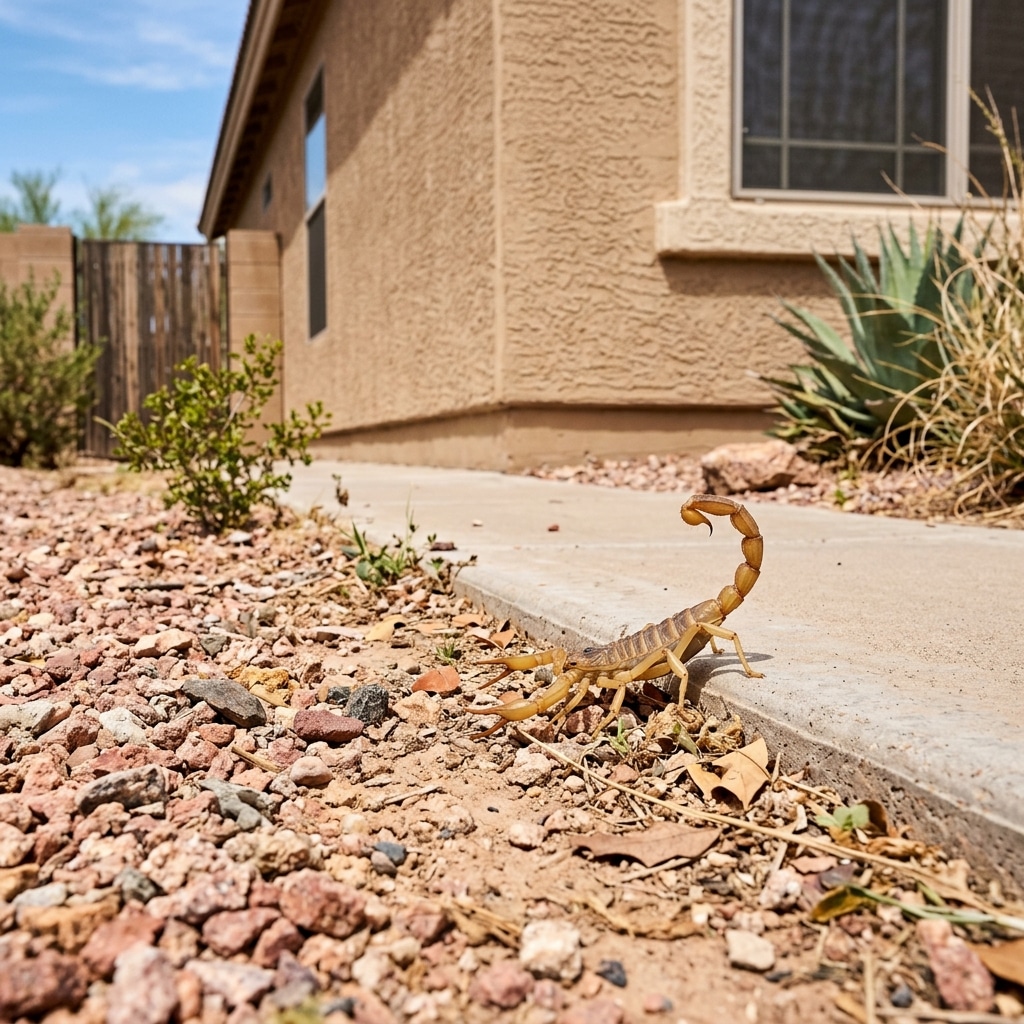
Scorpions are a real and regular household nuisance in many Arizona neighborhoods. Residents frequently find them in garages, laundry rooms, patios, and sometimes even inside shoes or bedding.
Some retirees eventually adapt to constantly checking corners and shaking out towels. Others never fully get comfortable with it.
Desert living comes with desert creatures.
10. Coyotes and Other Desert Animals Can Be an Issue for Small Dogs
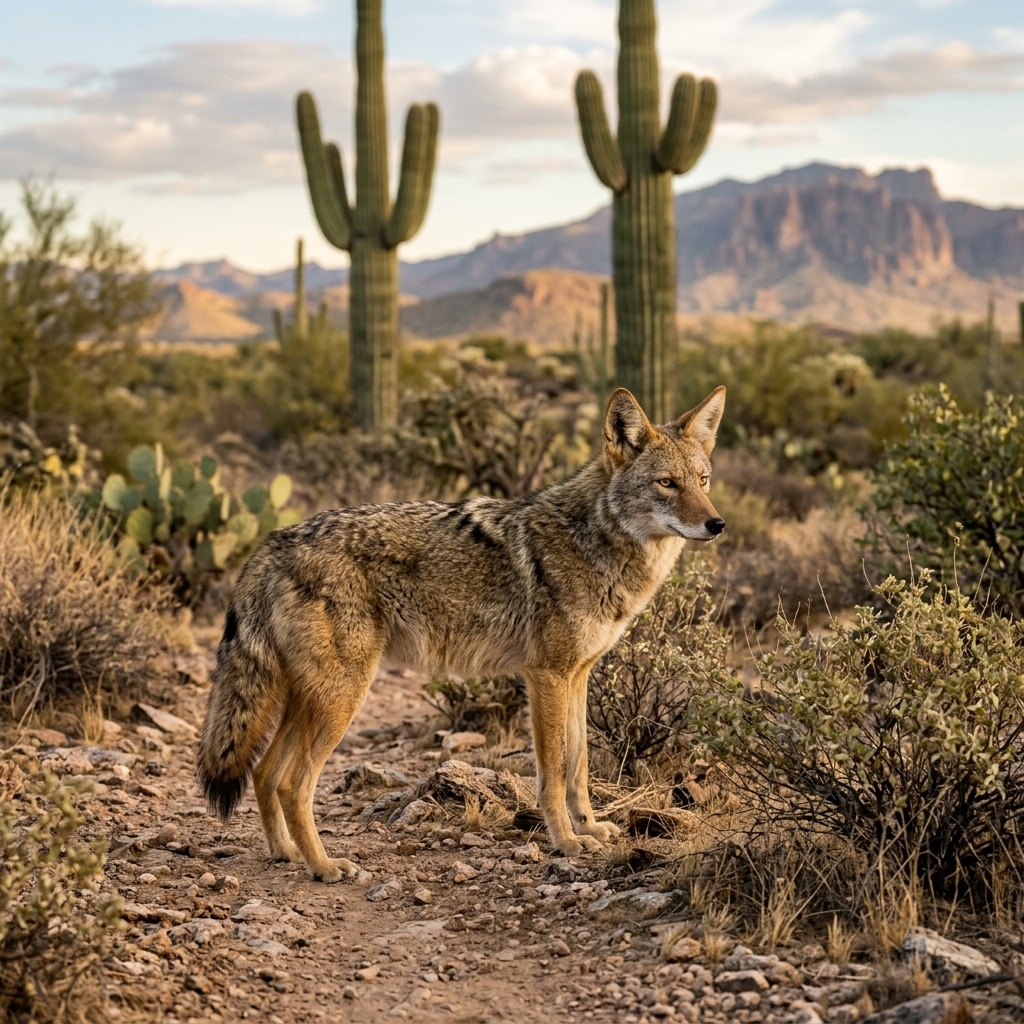
Coyotes regularly roam Arizona suburbs, golf courses, and retirement communities, creating real risks for small pets. Residents constantly warn each other not to leave little dogs unattended outdoors.
For retirees who imagined relaxing evenings with their pets in the backyard, this can feel like an unpleasant surprise.
Arizona’s wildlife is beautiful… until it starts circling your neighborhood at night.
9. The State Is Polarized
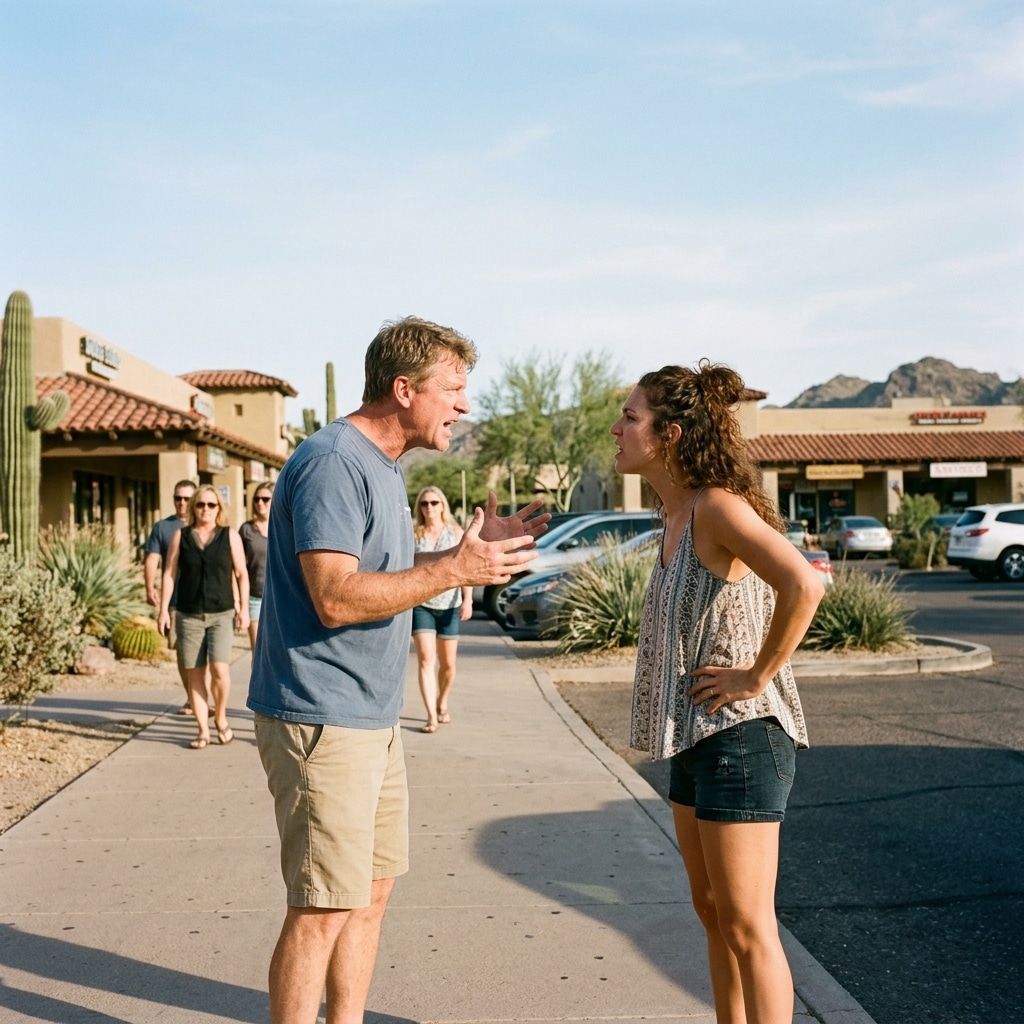
Arizona’s increasingly polarized social climate frustrates some retirees who were hoping for a calmer environment. Social tension often spills into neighborhoods, community groups, and local conversations.
Retirees expecting laid-back desert living are sometimes surprised by how emotionally charged the atmosphere can feel.
The stress people hoped to leave behind sometimes follows them anyway.
8. People Are Less Friendly Than Expected
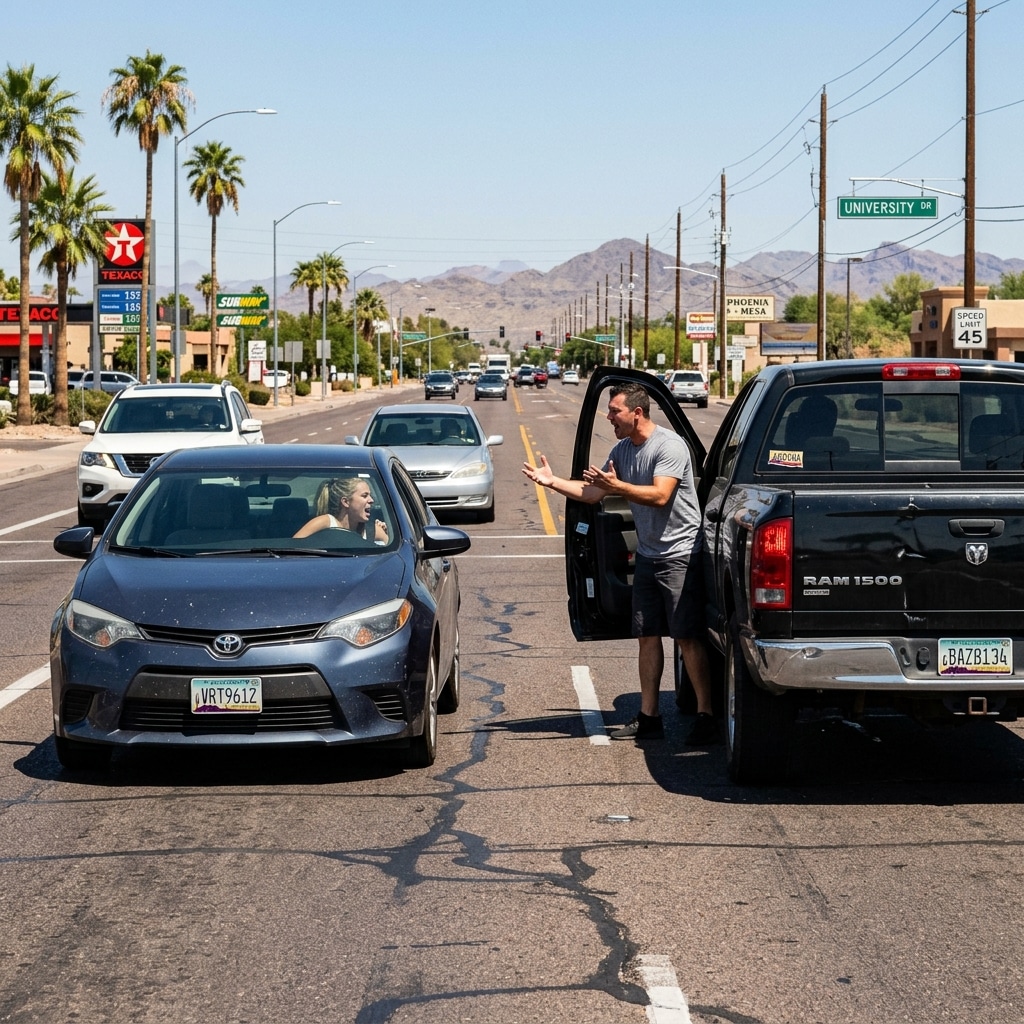
One recurring complaint from transplants is that Arizona feels less welcoming than expected. Rapid growth has created resentment among some locals who feel overcrowding and rising costs are changing the state for the worse.
That frustration sometimes creates a colder social atmosphere than retirees anticipated.
People do not always react warmly when they believe newcomers are driving up housing prices and traffic.
7. Rapid Population Growth Is Changing the Character of Towns
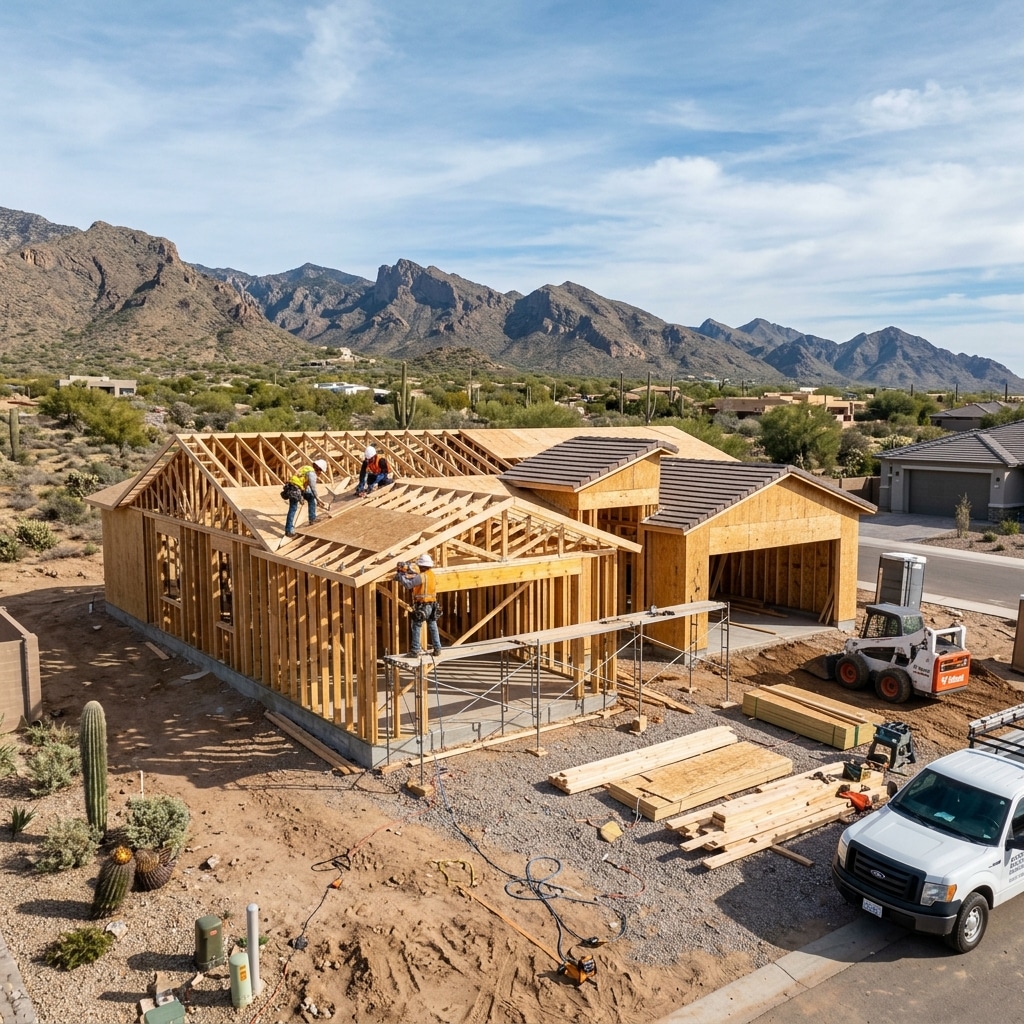
Rapid population growth is dramatically changing the personality and atmosphere of many Arizona towns. Quiet desert communities quickly become sprawling suburbs filled with chain stores and nonstop development.
Many retirees feel like they arrived chasing an older version of Arizona that no longer exists.
The state is changing so quickly that even longtime residents barely recognize parts of it anymore.
6. Lack of Beaches and Water Access
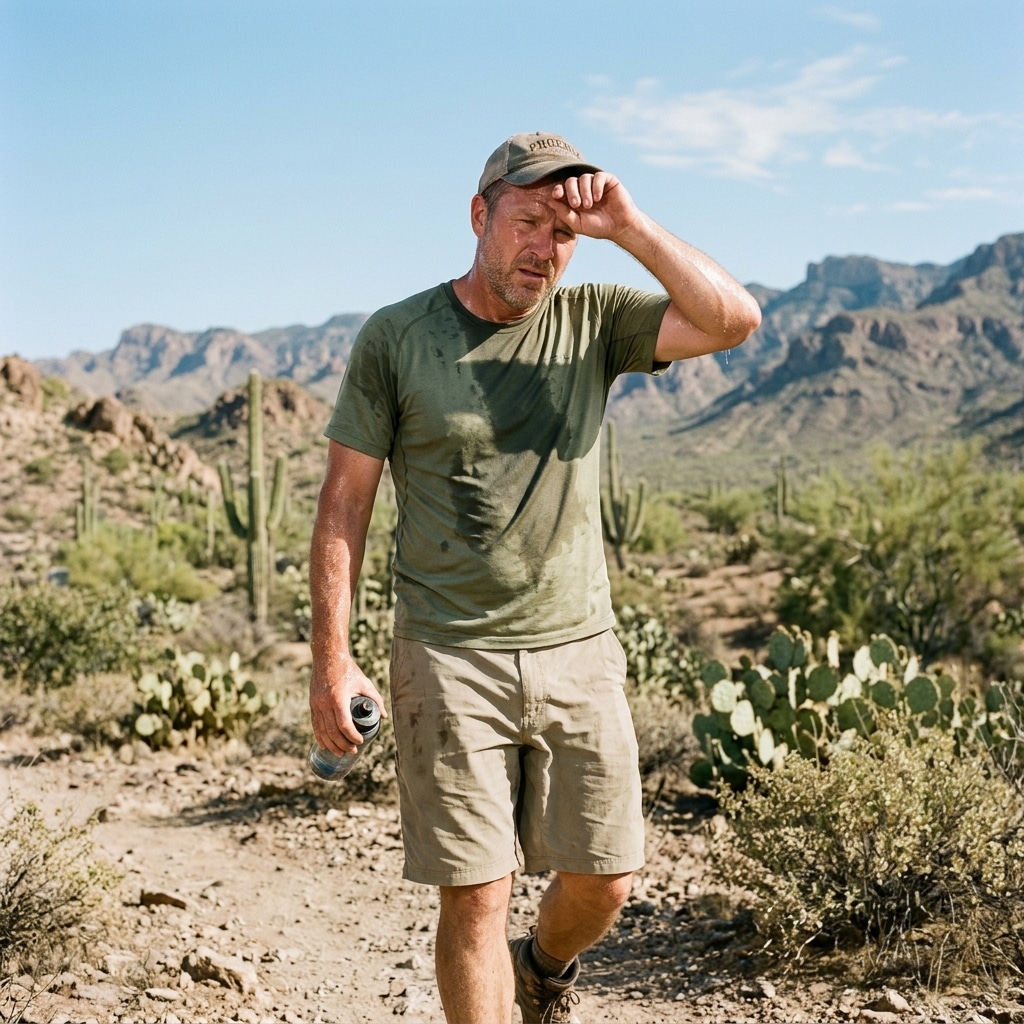
Arizona’s desert environment lacks the beaches, waterfronts, and lush water access that many retirees eventually realize they miss. Pools help, but they do not fully replace oceans, rivers, lakes, or cool coastal air.
After years in the desert, some people begin craving green landscapes and natural water again.
Dry scenery affects people more deeply than they expect.
5. There Are Fewer Lush Parks and Shaded Public Spaces
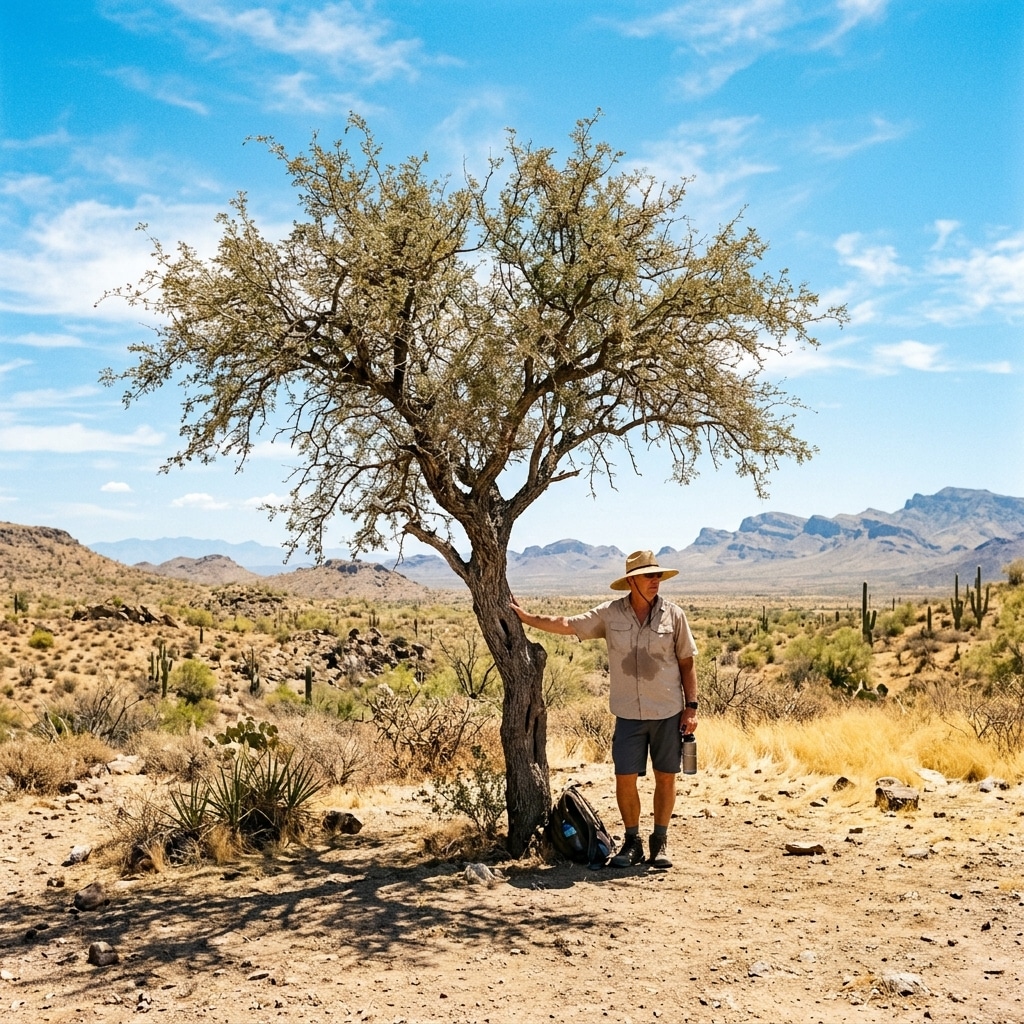
Arizona has fewer lush, shaded public spaces than many retirees are used to in greener parts of the country. Parks often feel dry, exposed, and difficult to enjoy during peak summer heat.
By August, even playgrounds and park benches can become too hot to touch comfortably.
Shade becomes one of the most valuable resources in Arizona.
4. Some Affordable Retirement Towns Feel Sleepy or Boring
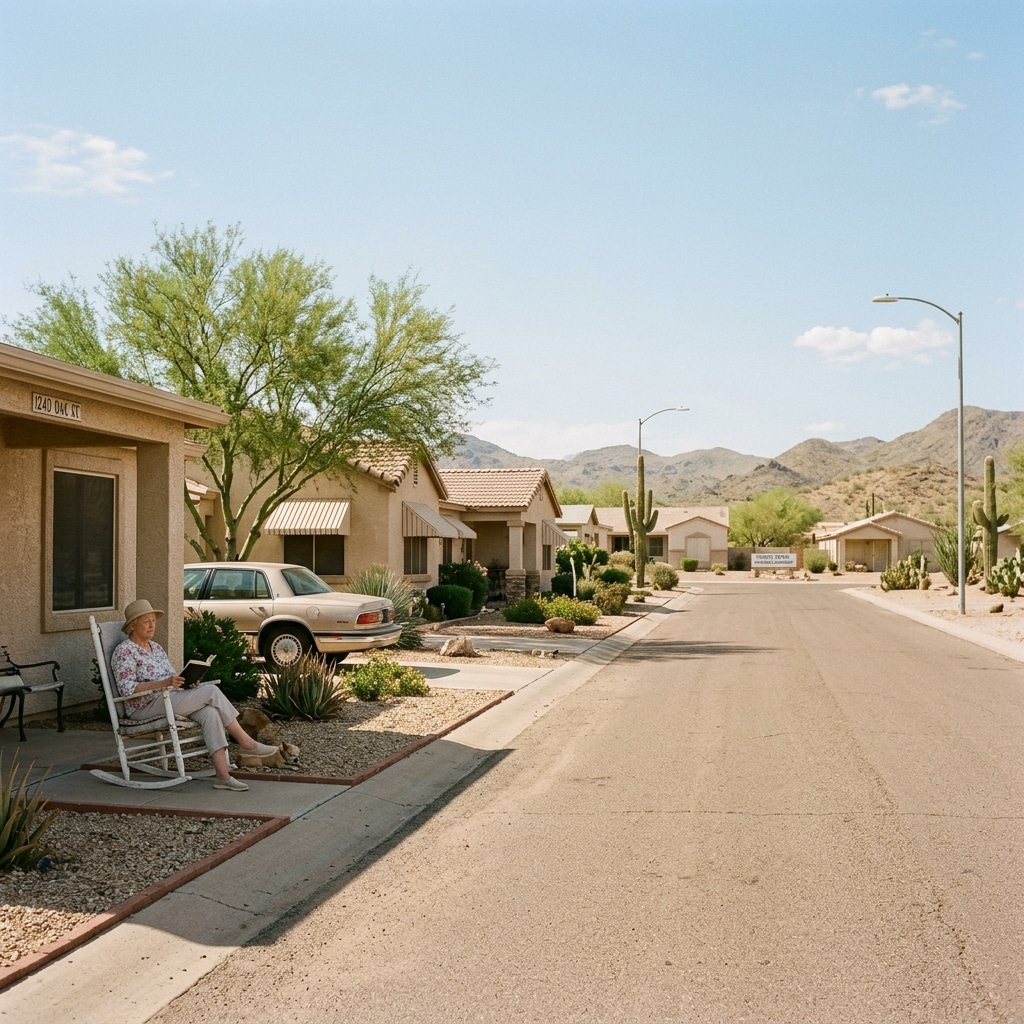
Some of Arizona’s more affordable retirement towns can feel isolated, repetitive, or lacking in entertainment and activity. What initially feels peaceful can eventually feel stagnant.
Especially for younger retirees, the routine can start feeling older than expected very quickly.
There are only so many times you can visit the same golf course restaurant before cabin fever starts creeping in.
3. Dogs Often Struggle With the Heat
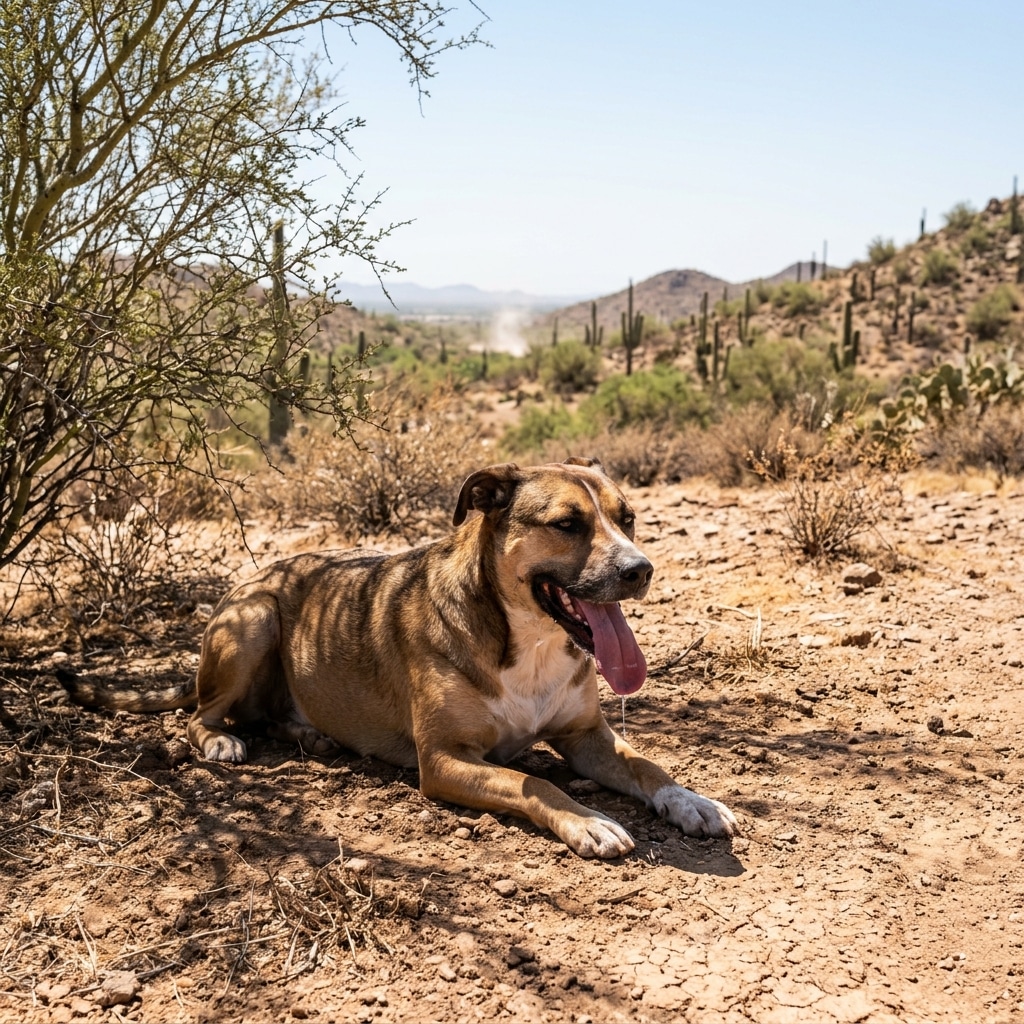
Arizona’s extreme summer heat can make life difficult for pets, especially dogs. Pavement becomes hot enough to burn paws, and daytime walks become nearly impossible during peak summer months.
Many dog owners end up scheduling walks before sunrise or late at night simply to avoid dangerous temperatures.
Even pets end up structuring their lives around the heat.
2. There Aren’t True Seasons
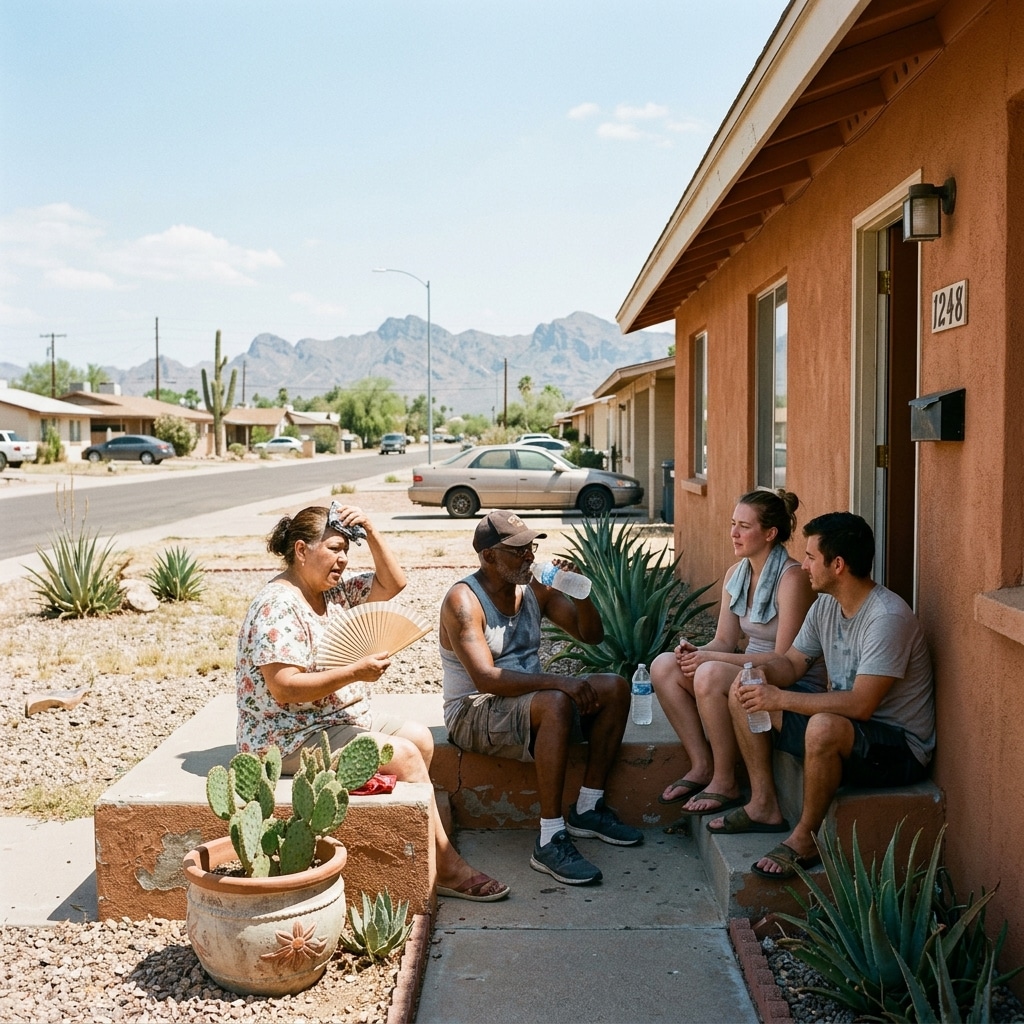
Arizona’s climate offers little true seasonal variation, which some retirees eventually find emotionally draining. The year often feels like a cycle of warm weather interrupted by periods of extreme heat.
Many retirees eventually realize they miss fall colors, rainy spring mornings, snow around the holidays, and the emotional rhythm that changing seasons create.
Endless sunshine sounds more exciting in theory than it sometimes feels in reality.
1. Phoenix Lacks Culture or Personality
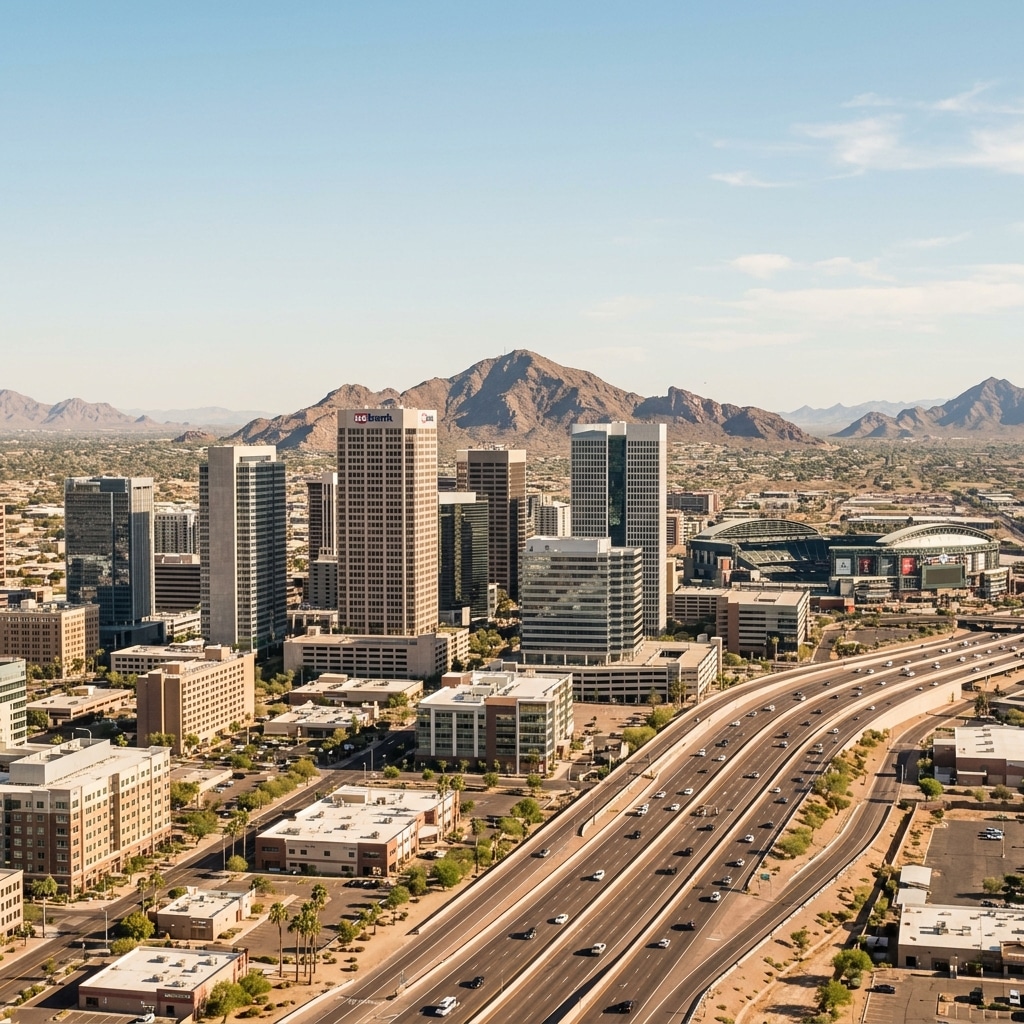
Critics of Phoenix often describe it as endless suburbs connected by highways, chain restaurants, parking lots, and shopping centers. Compared to older American cities with historic neighborhoods and strong local identity, Phoenix can feel strangely generic.
Visitors may love the resorts and sunshine. Living there full-time can feel repetitive.
For some retirees, Phoenix eventually starts feeling less like a city and more like an endless collection of master-planned suburbs.