
Retirement is sold as the reward — the moment you finally do all the things on the list.
But a lot of those dream pursuits don’t deliver. Some are mild letdowns. Others drain savings, fracture relationships, and prove almost impossible to reverse.
We asked retirees to tell us, in their own words, which bucket list items they wish they’d skipped. Their answers were blunt.
Here’s the countdown — from the small disappointments to the truly catastrophic.
45. Visiting Stonehenge
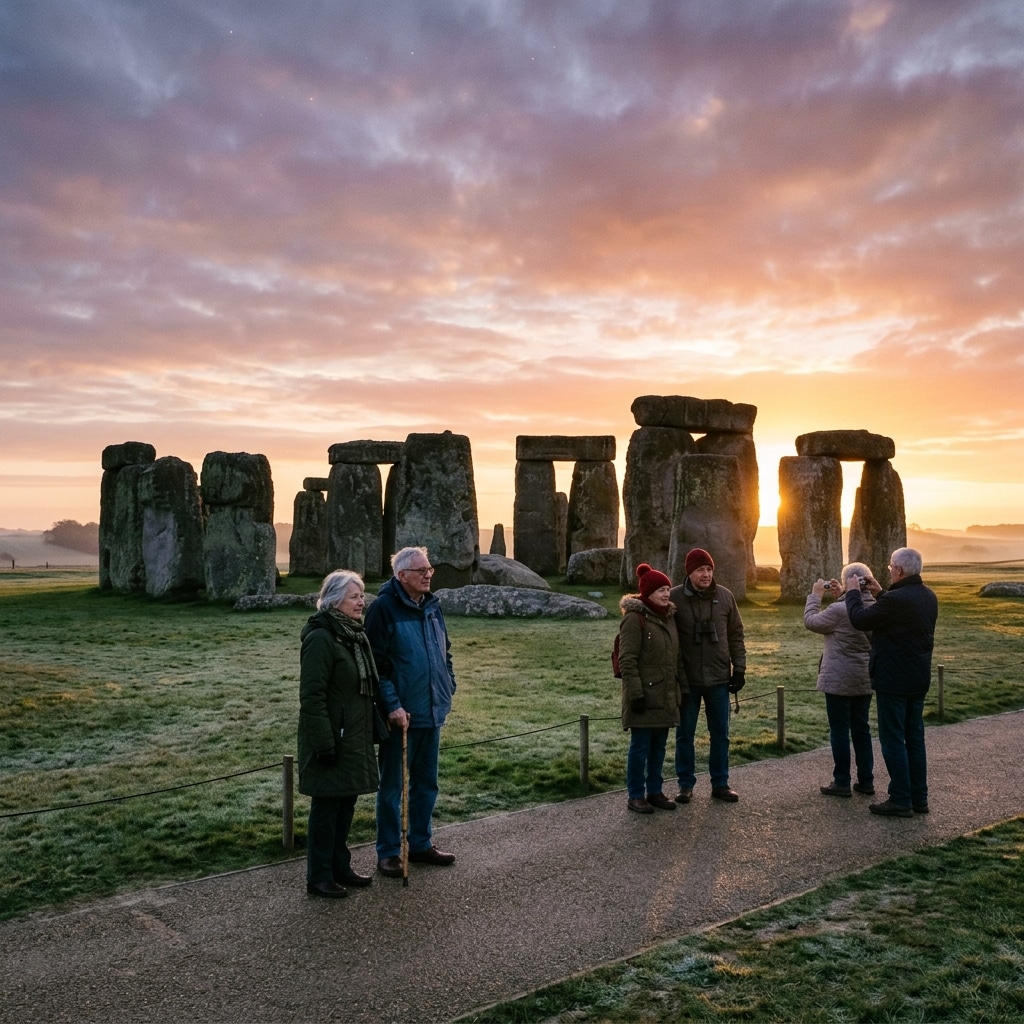
Margaret, 71 says:
“We drove three hours to stand behind a rope in the wind for twenty minutes — I’ve seen better rocks in my own garden.”
You stand behind a rope, several hundred feet from a pile of weathered stones, jostled by tour groups and battered by Salisbury Plain wind.
The visitor center is well done and the audio guide is informative, but the actual encounter with the monument is brief, distant, and strangely impersonal. Most people are surprised by how small it looks against the open landscape.
The mythic image in your head — druids, mist, mystery — collides with a heavily managed tourist site where you spend perhaps 30 minutes before being funneled back to the gift shop.
44. Seeing the Mona Lisa
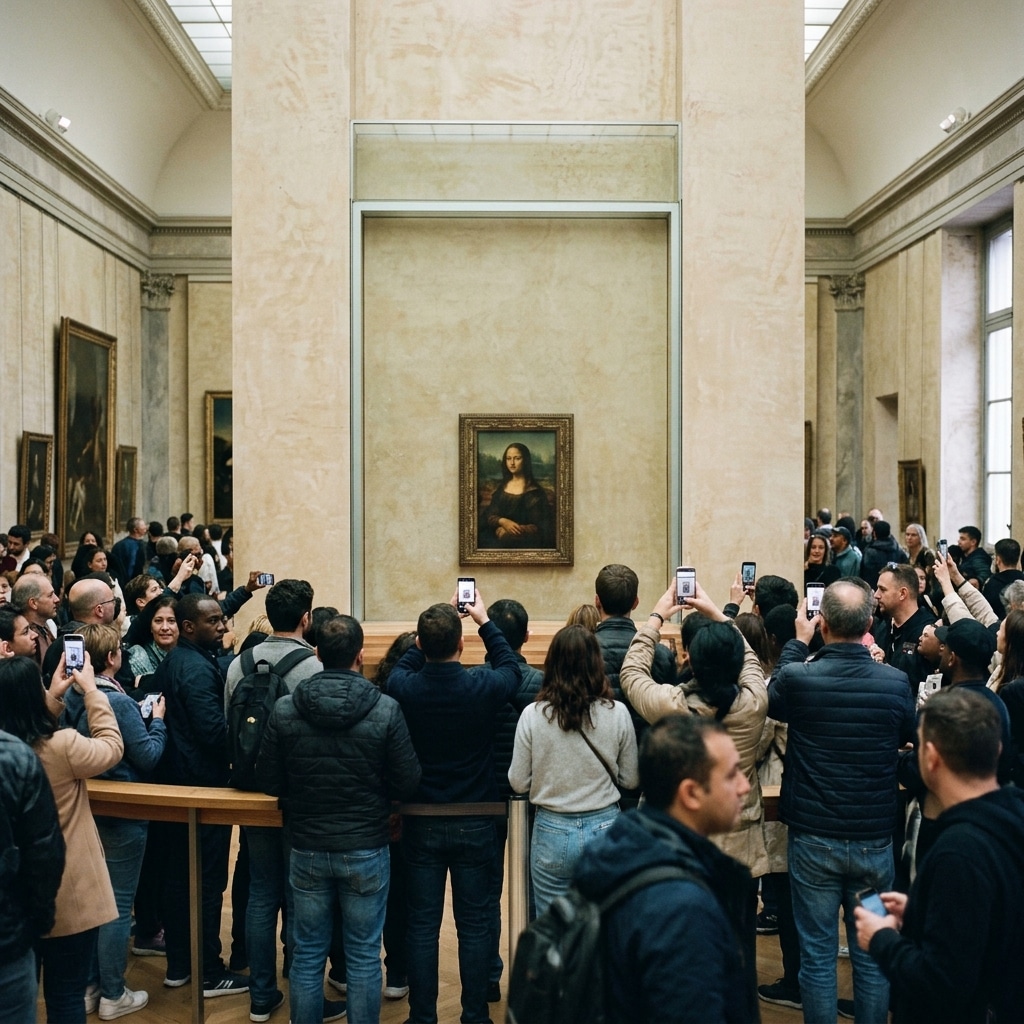
Harold, 68 says:
“I waited forty-five minutes to glimpse a postage stamp behind glass while a hundred strangers’ elbows poked my ribs.”
Tucked behind bulletproof glass at the far end of a crowded gallery in the Louvre, the painting is smaller than almost everyone expects — roughly 30 by 21 inches.
You’ll wait in a slow-moving crush of people holding phones overhead, get perhaps 30 seconds of obstructed viewing, and walk away wondering what the fuss was about.
The real loss is opportunity cost: the Louvre houses thousands of works that would genuinely move you, most of which you’ll skip past in your single-minded pilgrimage to a painting you can’t really see.
43. Visiting the Eiffel Tower
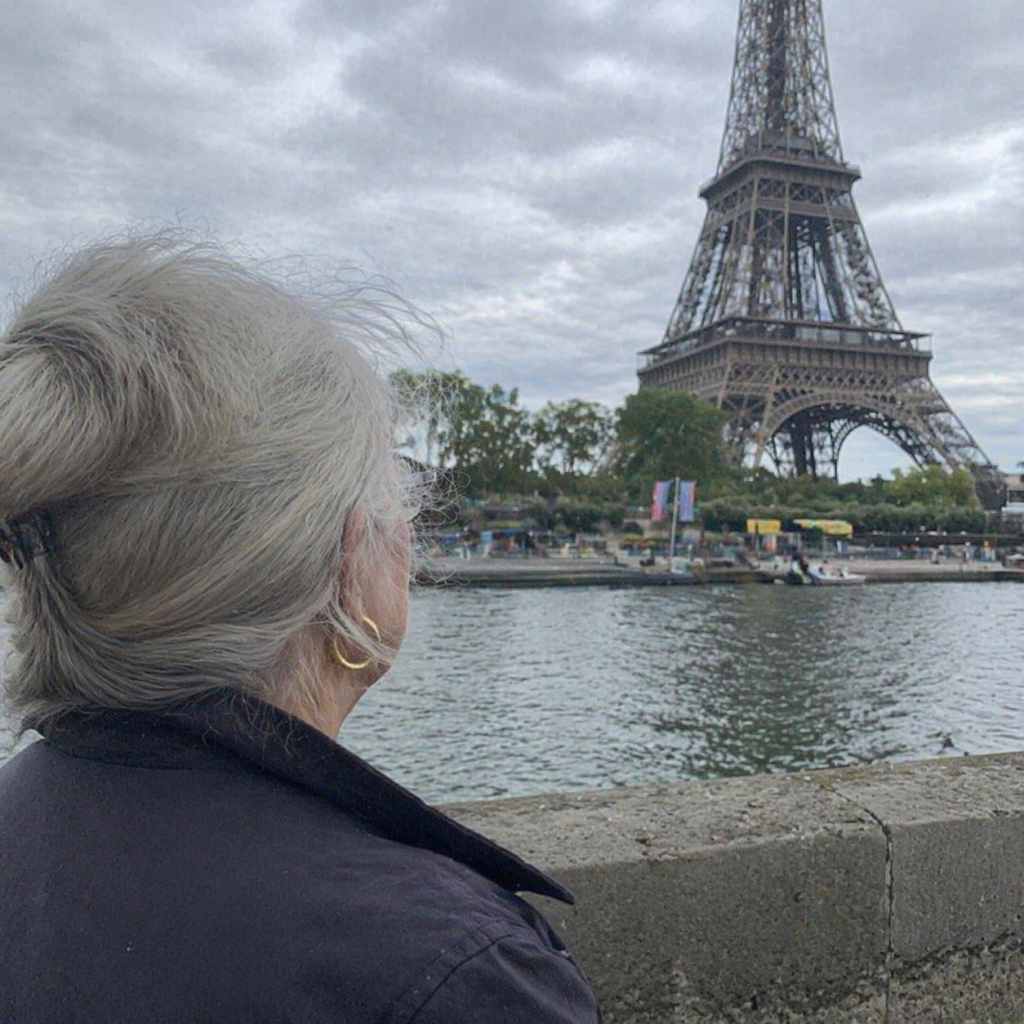
Eleanor, 73 says:
“The tower is gorgeous from a café down the street — going up it just meant queueing for two hours to look at a haze.”
The tower itself is genuinely beautiful from a distance — from the Trocadéro, from a Seine bridge, from a café terrace at dusk. That part lives up to the postcards.
Going up it is a different story: long security lines, packed elevators, aggressive pickpockets working the queues, and views that, while pleasant, don’t justify the hours invested.
Most retirees report that the magical Paris moments were the ones spent looking *at* the tower from a wine bar or park, not the ones spent standing *on* it in a crowd.
42. Riding a Gondola in Venice
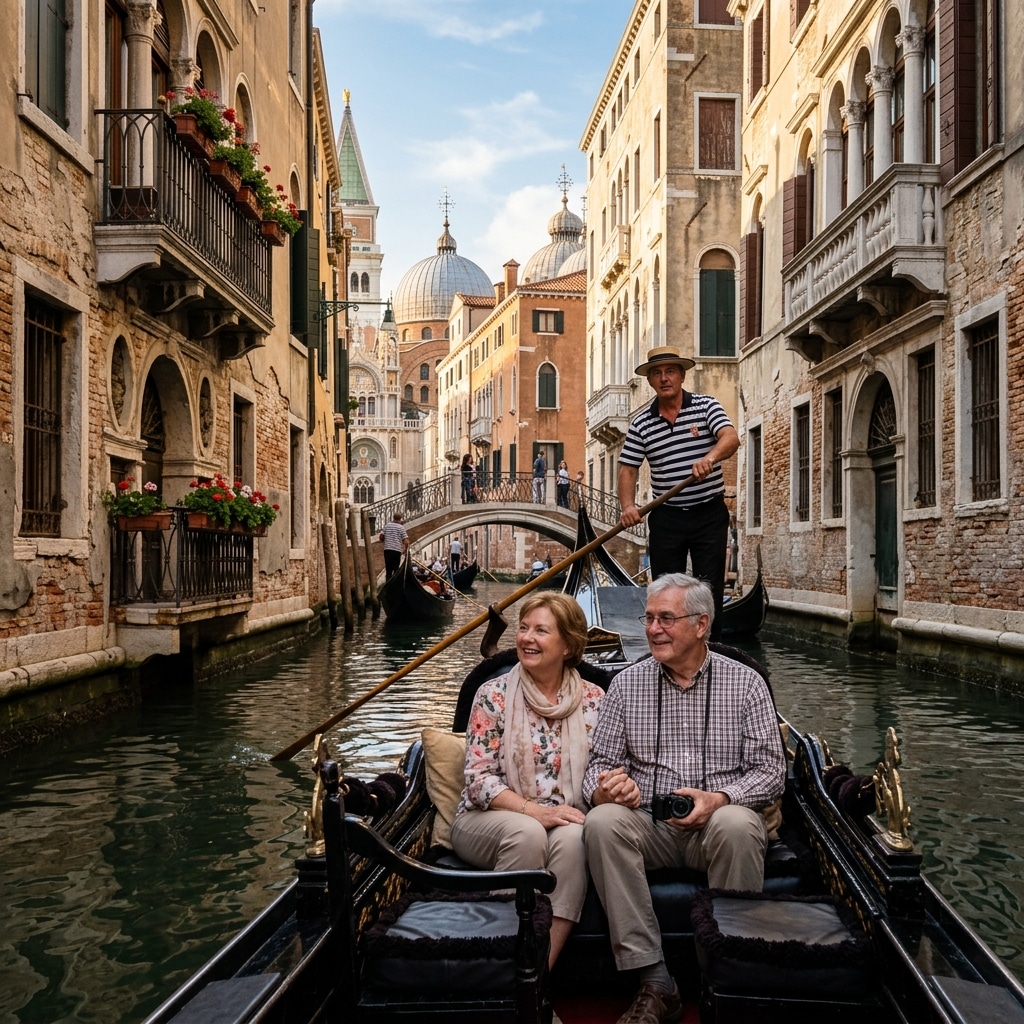
Frank, 70 says:
“I paid a hundred euros for a man in a striped shirt to row us past a parked delivery boat in silence.”
The price is eye-watering — typically €80 to €120 for a 30-minute ride that follows a standardized route through canals that can smell strongly in warm months.
Gondoliers rarely sing unless you pay extra, the boats are often shared with other tourists you didn’t plan to meet, and conversation is awkward over the splash of oars.
The romance you imagined gives way to the reality of being a paying participant in a heavily commercialized ritual. Walking Venice at dawn is free, quieter, and arguably far more enchanting.
41. Times Square on New Year’s Eve

Doris, 74 says:
“I stood for nine hours in twelve-degree weather, couldn’t find a bathroom, and the ball drop took less than a minute.”
You arrive in the early afternoon to claim a spot, then stand for eight or more hours in freezing temperatures with no access to bathrooms, no chance to sit, and no ability to leave and return.
You can’t eat or drink much because there’s nowhere to relieve yourself. The crowd grows denser and more chaotic as the night wears on.
The ball drop itself lasts about 60 seconds. Many retirees who finally check this off describe it as one of the most physically miserable nights of their adult lives.
40. Throwing a Huge Milestone Birthday Party for Yourself

Walter, 70 says:
“I spent eight thousand dollars and three months planning a party where I barely got to sit down or finish a drink.”
The vision is warmth and celebration — friends and family gathered from across the country, heartfelt toasts, perhaps a live band, a moment of being genuinely seen.
The reality is months of planning, mounting costs that easily reach five figures, hurt feelings over the guest list, and a single evening where you barely get to talk to anyone before it’s over.
Many retirees report feeling oddly hollow the next morning, having spent thousands of dollars and weeks of stress to host an event they didn’t fully enjoy and won’t repeat.
39. Buying Into a Timeshare
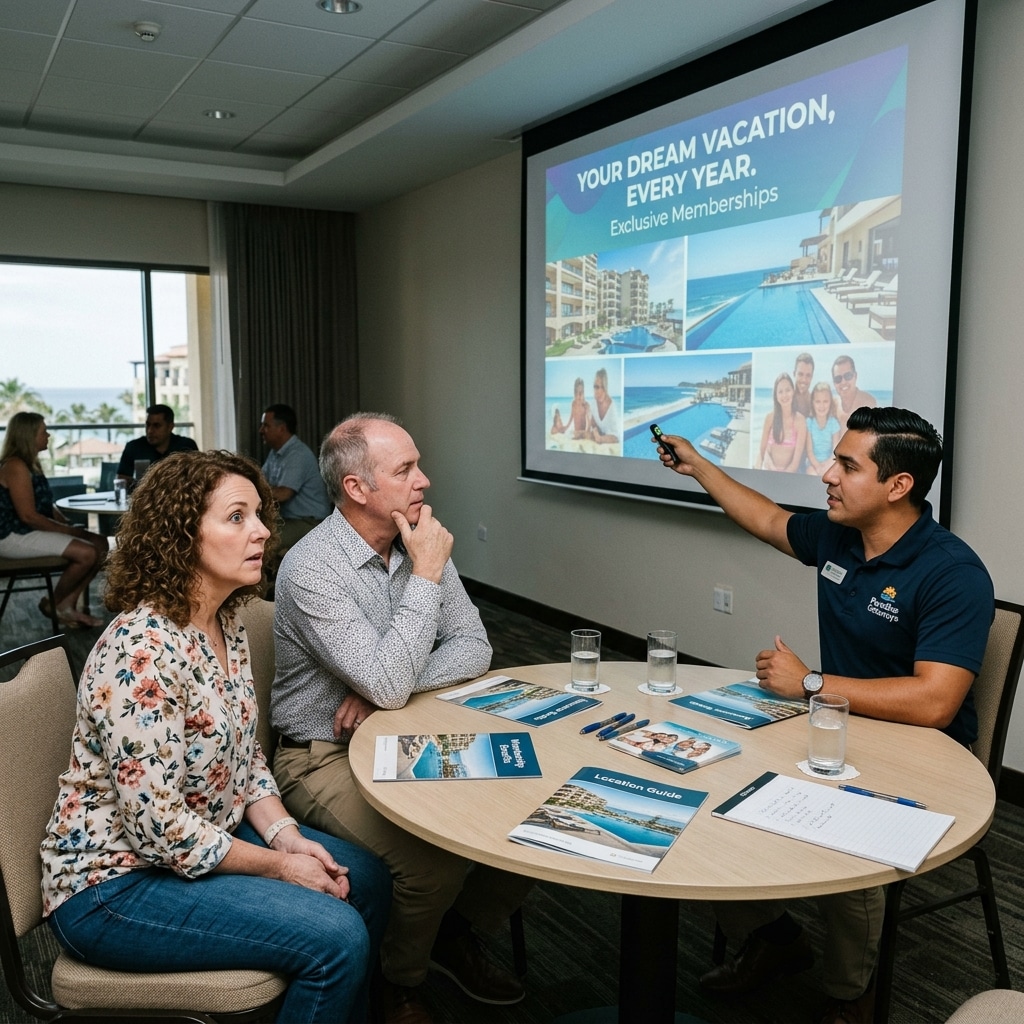
Beverly, 69 says:
“The maintenance fees have doubled since we signed, and now we’re trying to give the thing away for free.”
The sales presentation is famously high-pressure — long, manipulative, designed to overwhelm your judgment with free meals, drinks, and contrived urgency.
The math rarely works out. Annual maintenance fees climb relentlessly. Booking your preferred week is harder than promised. The units are worth a fraction of what you paid the day you sign.
The resale market is so saturated that owners frequently pay third parties to take their timeshares off their hands. Few financial decisions in retirement are as universally warned against — and as universally signed up for anyway.
38. Sailing Around the World (or a Big Leg of It)
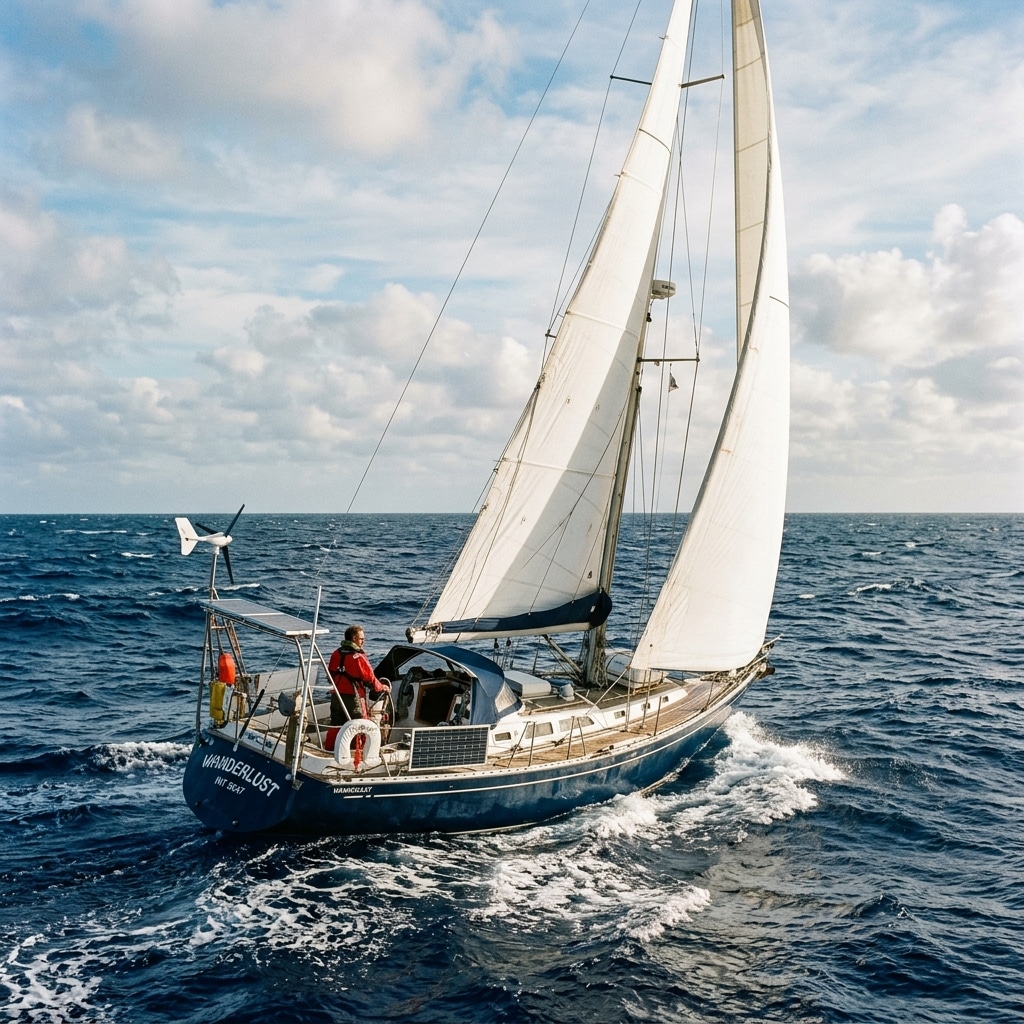
Richard, 72 says:
“Six months in, my wife flew home and I was alone in a marina in Panama fixing a watermaker for the third time.”
The romance of bluewater sailing collides hard with the reality of life at sea: constant equipment failures, weather anxiety, seasickness, isolation from friends and family, and the physical demands of handling a complex boat that grow harder each year.
Costs balloon — moorage, repairs, insurance, provisioning in remote ports. Communication with home is patchy. The marriage stress is famous.
Many retirees who attempt this sell the boat within 18 months, often at a significant loss, and return home with stories they tell more enthusiastically than they lived.
37. Taking Up a Serious Collecting Hobby (Art, Watches, Wine)

Joan, 71 says:
“My watch collection is worth a fortune on paper and about a third of that when an actual dealer looks at it.”
What begins as a passion becomes an expensive habit with poor liquidity. The next acquisition always beckons, and the social world of serious collectors quietly pressures you to keep upgrading.
Storage, insurance, authentication, and provenance research eat into your time and savings. The collection becomes something you maintain rather than enjoy.
When it’s time to sell — or when heirs inherit pieces they don’t want — the realized values are almost always a fraction of what was paid. Dealers buy at wholesale; auction houses take large commissions.
36. Hot Air Balloon Rides

George, 69 says:
“We woke at four in the morning three days in a row before the wind cooperated, and the flight itself was forty minutes.”
You wake at 4 AM, drive to a remote field, and then often learn the flight is cancelled due to wind, fog, or temperature inversion. Reschedules can take days.
When it does fly, the experience is surprisingly brief — typically under an hour — and the basket is crowded with strangers. The photos rarely capture the feeling, since you’re shooting through ropes and other passengers.
The cost-per-minute is among the highest of any retirement experience, and many retirees describe the long predawn buildup as more memorable than the flight itself.
35. Cruise to See the Northern Lights

Patricia, 70 says:
“Seven nights at sea, four thousand dollars, and the closest thing we saw to an aurora was the bingo screen in the lounge.”
The aurora is famously unpredictable. Many cruises return with passengers having seen nothing at all, or only a faint green smudge that doesn’t resemble the brochure photos.
Cloud cover, solar activity, and timing all have to align — and they often don’t. You’re at the mercy of weather you can’t control, on a ship that costs thousands of dollars regardless.
The land-based alternatives in Iceland, Norway, or northern Canada offer more flexibility, more nights of opportunity, and the ability to chase clear skies rather than being stuck on a predetermined route.
34. Visiting Every U.S. National Park

Charles, 73 says:
“By park number thirty, I was photographing entrance signs and couldn’t tell you a thing about the trails.”
It sounds noble until you’re standing in a traffic jam at Yosemite, fighting for a parking spot at Zion, or driving 14 hours to a remote park that turns out to be a few square miles of unremarkable scrubland.
The completionist mindset turns awe into a task. You start photographing entrance signs instead of landscapes. The parks you’d otherwise have lingered in become checkboxes.
Most retirees who attempt this abandon the goal partway through, often realizing that three weeks in one extraordinary park beats three days each in twelve mediocre ones.
33. Driving Route 66
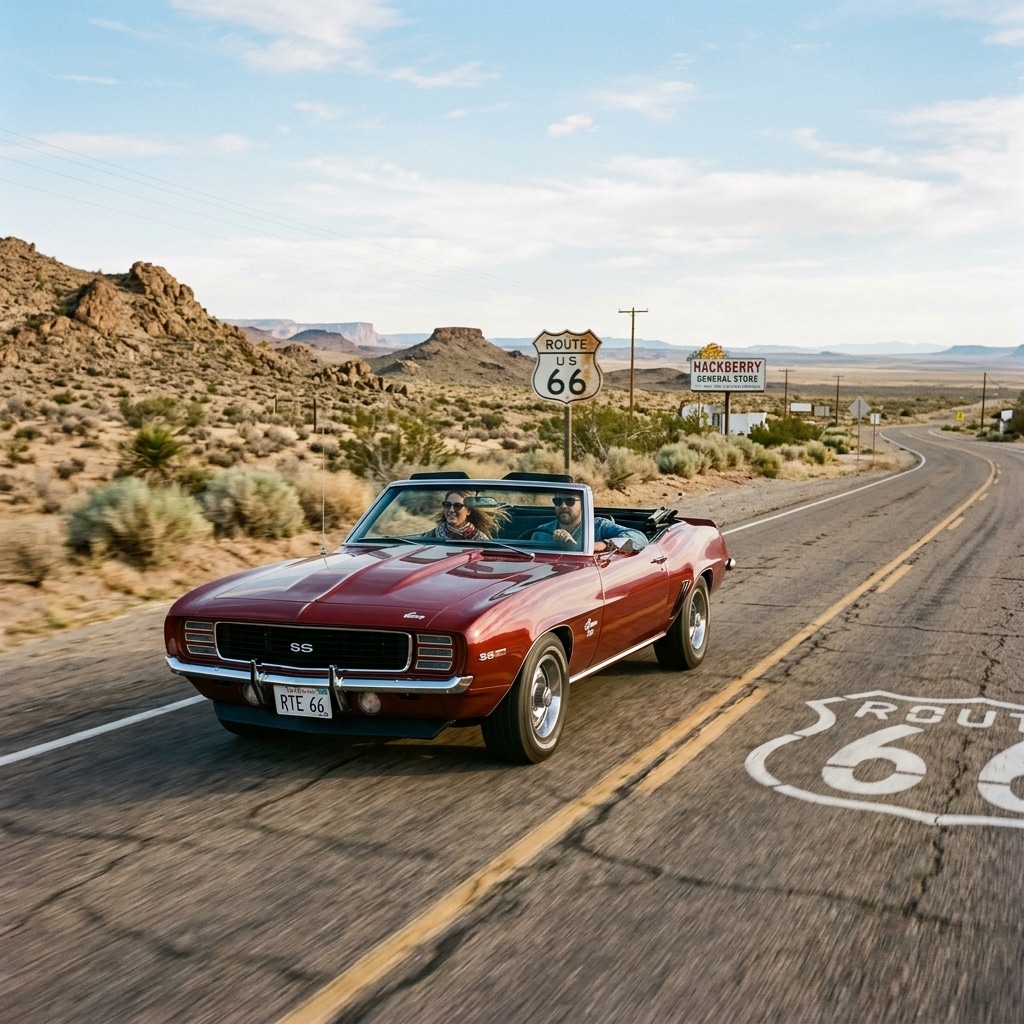
Linda, 68 says:
“I expected the open road and got two thousand miles of frontage road, gas stations, and boarded-up motels.”
Large stretches no longer officially exist or have been bypassed by interstates. What remains is a patchwork of decaying motels, kitschy gift shops, and long monotonous drives through landscapes that aren’t always scenic.
The mythology — Steinbeck, Kerouac, the song — does heavy lifting that the actual road can’t sustain. You’ll spend hours on frontage roads paralleling I-40, hunting for the next photo op.
The romance lives mostly in the postcards. The reality is gas stations, chain food, and the slow realization that this was a better idea in your head.
32. Adopting a High-Energy Puppy

Stanley, 72 says:
“I love that dog, but I haven’t slept past six or taken a real vacation since the day we brought him home.”
The companionship is real, but so are the early mornings, the chewed furniture, the destroyed gardens, the vet bills, and the 12-to-15-year commitment that may extend beyond your ability to provide active care.
Travel becomes complicated. Spontaneity disappears. The grandkids visit and the puppy is too rowdy. Your back doesn’t love bending down to leash an excited 60-pound dog twice a day.
Many retirees who get a puppy in their 60s or 70s feel overwhelmed within the first year and quietly regretful about the constraints — though too attached to admit it.
31. Getting a Pilot’s License
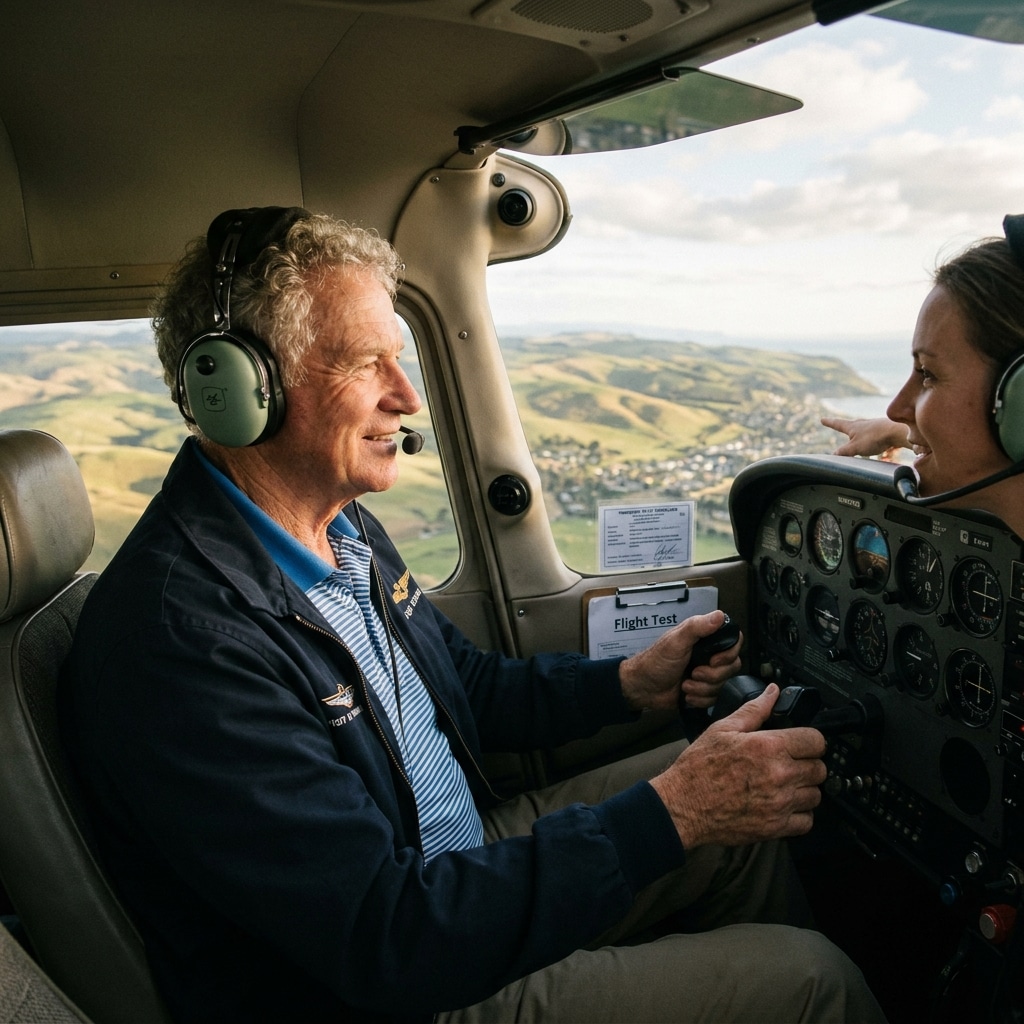
Robert, 70 says:
“I spent twenty thousand dollars and two years getting licensed, and I’ve flown six times since.”
The training is expensive and time-consuming, typically running $15,000 to $20,000 before you’ve earned a single hour of pleasure flying.
The medical certification gets harder to maintain with age — vision, blood pressure, cardiac history can all ground you. Rentals, fuel, hangar fees, insurance, and currency requirements add up to thousands per year.
Many newly licensed retirees fly far less than they imagined. The dream of casual weekend trips rarely materializes, and the license that took years to earn often expires quietly within a decade.
30. Becoming a Wine Connoisseur

Carol, 71 says:
“I stopped enjoying a simple glass of wine the moment I started taking notes on every bottle.”
The pursuit slides easily from appreciation into expensive habit. Cellars, tastings, wine club memberships, and the social pressure of buying ever-better bottles all compound.
You stop drinking wine and start *evaluating* it. Dinner becomes a tasting note. Friends who aren’t in the hobby feel awkward bringing a $15 bottle to your house.
Many retirees discover that the genuine pleasure of drinking wine got buried under the apparatus of being a connoisseur. The cellar becomes inventory, and bottles you bought for special occasions sit untouched as those occasions never quite arrive.
29. Bucket-List Golf Courses Like St. Andrews

James, 74 says:
“I shot a 112 in horizontal rain and spent the whole flight home wondering why I’d looked forward to it for forty years.”
Getting on requires lottery systems, advance planning by a year or more, and significant expense in green fees, caddies, and travel.
The weather is often brutal — wind, horizontal rain, cold that surprises Americans expecting summer to mean summer. The course is harder than expected. Your swing, under pressure of finally being *here*, deserts you.
Many golfers leave St. Andrews feeling they played badly on the day that was supposed to matter most. The scorecard becomes a souvenir of mild humiliation rather than the triumph imagined.
28. Doing the Camino de Santiago

Ruth, 69 says:
“I had blisters by day three and walked the rest of it in a haze of pain, not pilgrimage.”
The pilgrimage has been increasingly commercialized, with crowded albergues, blister problems within the first three days, and long stretches of walking alongside highways rather than through poetic countryside.
The spiritual transformation promised in the books doesn’t always arrive on schedule. Many pilgrims report that the walk was mostly tedious physical effort punctuated by foot pain and bad sleep.
The physical toll on older bodies is substantial — hips, knees, and feet take a beating across hundreds of kilometers. Retirees frequently finish the route asking quietly what, exactly, they were supposed to have felt.
27. A Trip to Las Vegas

Don, 71 says:
“Two days in and my feet hurt, my wallet hurt, and I just wanted to go somewhere quiet for dinner.”
The lights, the buffets, the shows — and the smoke, the noise, the relentless walking on hard casino floors, and the financial drain designed into every square foot.
The Strip is a one-mile walk that feels like five because of detours through casino floors. Food is expensive and often disappointing. Shows are good but exhausting after a long day.
Many retirees discover that Vegas was more appealing in concept than in execution, particularly when their bodies no longer bounce back from late nights and the gambling stops feeling like fun about an hour in.
26. A Bucket-List African Safari

Helen, 73 says:
“It was magnificent, but for what it cost we could have spent a month in Italy and not been bounced around in a Land Cruiser.”
The experience is genuinely extraordinary, but the costs are staggering — easily $10,000 to $20,000 per person — and the travel days are exhausting flights stacked on bumpy bush-plane transfers.
The actual game viewing involves a great deal of waiting, jostling Land Cruisers, sunburn, and dust. Animals don’t appear on schedule, and some days the highlight is a distant impala.
Many retirees feel the experience didn’t quite match the price tag, even when they enjoyed it. The Instagram version compresses two weeks of effort into ten glorious seconds.
25. Cosmetic Surgery to “Look Retirement-Ready”

Susan, 68 says:
“I look pretty much the same, only with eight weeks of bruising and twelve thousand fewer dollars in the bank.”
The recovery is harder than expected — bruising, swelling, restricted activity, and the strange psychological experience of seeing your own face altered.
The results are often subtler than hoped, and the psychological satisfaction tends to fade quickly. Within a year, the new face becomes your normal face, and the bump you got from the procedure is gone.
Many retirees discover that the underlying feelings about aging weren’t really about appearance, and the procedure didn’t address what was actually bothering them. The mirror still shows someone getting older, just with a tighter jawline.
24. Hosting All the Family Holidays

Edward, 72 says:
“I cook for fourteen people, clean for two days, and watch my daughter-in-law scroll Instagram through dessert.”
The vision is a multigenerational gathering centered on you — the matriarch or patriarch, the heart of the family, holding it all together.
The reality is weeks of preparation, enormous grocery bills, exhausting cleanup, and family dynamics that don’t necessarily improve just because you’re feeding everyone. Old tensions surface over wine. Someone’s spouse is sulking.
Many retirees find themselves resentful within a few years, doing the bulk of the work while adult children scroll their phones. The role you wanted becomes the job you can’t quit without seeming bitter.
23. Learning a New Language Fluently

Nancy, 70 says:
“Three years of lessons and I can still only order food and ask where the bathroom is.”
Adult language acquisition is genuinely difficult, and true fluency takes years of consistent, immersive effort that most retirees can’t replicate at home.
Apps and classes get you to ordering coffee. They don’t get you to discussing politics with a French neighbor. The plateau between conversational and fluent is where most learners stall indefinitely.
Many retirees plateau at a basic conversational level and feel the gap between their goal and their reality keenly. The dream of chatting freely with locals in Italy or France rarely arrives, replaced by polite exchanges in halting phrases.
22. Writing Your Memoir

Albert, 75 says:
“I wrote three hundred pages, self-published, and my own children haven’t gotten past chapter two.”
The act of writing is harder and lonelier than expected. Confronting your own life on the page surfaces memories and relationships you may not have wanted to revisit.
The finished product often finds a smaller audience than hoped — sometimes just immediate family, who skim it politely. Self-publishing costs add up, and traditional publishers aren’t interested.
Many retirees abandon the project halfway through, defeated by the difficulty of the work. Those who finish often feel deflated by the muted reception, having confused “interesting to me” with “interesting to others.”
21. Becoming a Consultant After Retiring

Diane, 67 says:
“I retired to escape deadlines and now I’m answering client emails on a Sunday night, same as before.”
The promise is flexible, well-paid work on your own terms — a few projects a year, your expertise valued, no office politics.
The reality is that clients expect availability, scope creep is constant, and the boundaries you intended to maintain erode quickly. The “few projects” become a full pipeline. Saying no risks the referrals.
Many retirees find they’ve recreated the job they were trying to escape, only now without the colleagues, the structure, or the clear stopping point. The retirement you planned recedes into another version of work.
20. Going Back to School for a Degree You Don’t Need

Howard, 70 says:
“I’m doing group projects with twenty-three-year-olds for a master’s I will never, ever use.”
The intellectual stimulation is real, but so are the costs, the time commitment, and the realization midway through that you’re not going to use the credential for anything.
Group projects with twenty-somethings test your patience. Deadlines and exams reintroduce stress you thought you’d left behind. The reading you have to do crowds out the reading you want to do.
Many retirees feel partway through that they’d rather be auditing classes, attending lectures, or reading independently — pursuing the learning without the bureaucratic apparatus of the degree.
19. Mastering Golf

Phyllis, 69 says:
“I’ve taken more lessons in five years than my husband did in forty, and my handicap is exactly where it started.”
Golf is a punishing sport for older bodies — back, shoulders, knees, wrists — and a notorious money pit of clubs, lessons, club memberships, and travel.
The handicap improvements you envisioned often don’t materialize. You may even get worse as flexibility declines. Frustration mounts on rounds that were supposed to be relaxing.
The social pressures of the course can sour what was supposed to be leisure — slow groups ahead, fast groups behind, the unspoken etiquette policed by strangers. Many retirees come to resent the game they thought they’d love.
18. Running a Marathon

Kenneth, 68 says:
“I trained for eight months, finished the race, and have had a sore knee ever since.”
Training in your 60s or 70s carries real injury risks — joint damage, stress fractures, cardiac concerns that get more serious with age. The training plan dominates four to six months of your life.
The months of preparation strain relationships and crowd out other pursuits. Long runs eat weekends. Recovery requires more sleep than it used to.
The race itself is a brief, painful event, much of it spent willing yourself not to stop. Many retirees who complete a marathon are proud of the medal but quietly clear they never want to run another one.
17. Climbing a Major Peak Like Kilimanjaro

Marjorie, 66 says:
“I summited and spent the whole descent vomiting from altitude — I can’t bring myself to look at the photos.”
Altitude sickness is the great equalizer, affecting fit climbers and unfit ones alike with no warning. Summit success rates on Kilimanjaro hover around 65%, lower for older climbers.
The trek is grueling — six or seven days of hiking, sleeping in cold tents, eating bland food at altitude that suppresses appetite. The summit push is typically a brutal pre-dawn climb in freezing conditions.
The “experience of a lifetime” often becomes the worst week of your life. Many retirees come home with summit photos they can’t quite enjoy, the memory dominated by suffering rather than triumph.
16. Moving Into a 55+ Community

Arthur, 73 says:
“The HOA fined me for the color of my front door, and I haven’t heard a child laugh on this street in two years.”
The amenities sell well in the brochure — pools, golf, organized activities, a “lock-and-leave” lifestyle. The reality is more complicated.
HOA politics can be intense and petty. Restrictive rules govern paint colors, landscaping, even how long guests can stay. Age-segregated bubbles can feel oddly sterile, with no children’s voices or generational mix.
Some residents thrive; many feel the isolation creep in. And getting out requires selling and moving again — disruptive at any age, harder in your seventies than your sixties. The decision is far less reversible than it seems.
15. Buying a Flashy Car (Sports Car, Classic, or Harley)

Vincent, 72 says:
“I bought the Porsche I’d wanted my whole life and it’s been in the garage for nine months because my back can’t take it.”
The car sits in the garage more than it gets driven. Bad weather, traffic, errands that need cargo space, and the simple discomfort of low seats or heavy motorcycles all conspire against use.
Maintenance, insurance, storage, and specialty parts for classics add up quickly. A Harley insurance premium alone can rival a second car payment.
The physical demands grow harder each year. Getting in and out of a 911 stops being charming when your knees object. Many retirees sell within a few years, often at a loss, realizing the dream was about being younger.
14. Taking the Whole Extended Family on a Big Trip
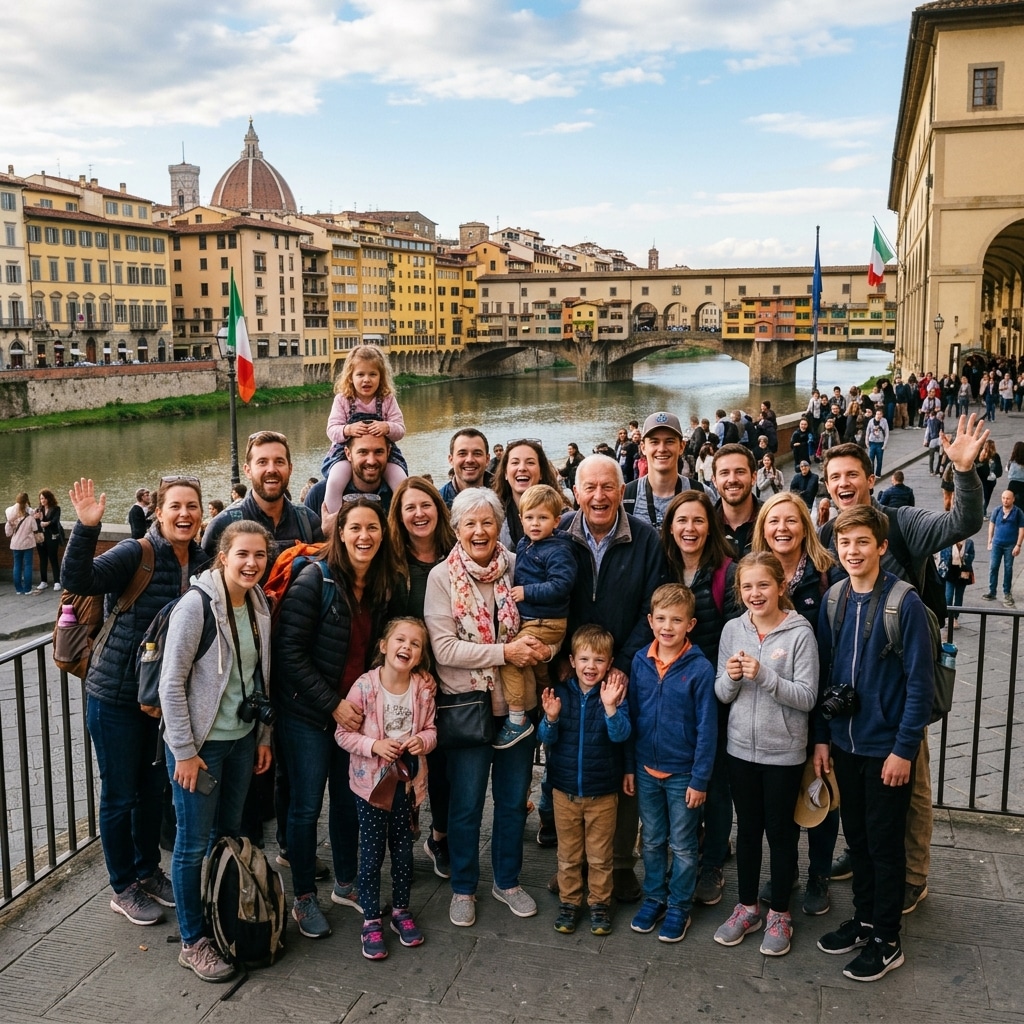
Gloria, 70 says:
“I paid for fourteen people to fight about restaurants in Tuscany for ten days.”
You imagine bonding, shared laughter, multigenerational memories your grandchildren will cherish forever. You hand-pick the destination and quietly absorb most of the cost.
You get scheduling conflicts, dietary disputes, generational tensions over phone use at dinner, sulking teenagers, and the financial weight of subsidizing relatives who may not fully appreciate the gesture.
Many retirees describe these trips as the moment they realized family travel was a fantasy assembled from selectively remembered childhood vacations. The return flight home is often the part everyone enjoys most.
13. Downsizing Too Aggressively, Too Soon

Raymond, 71 says:
“We sold the family home, moved into a condo, and within two years were paying for a storage unit and a guest hotel for the grandkids.”
The smaller home seems freeing until grandkids visit and there’s nowhere for them to sleep, your hobbies have nowhere to live, and the storage unit you rented for the overflow becomes its own monthly bill.
The price-per-square-foot you “saved” gets eaten by moving costs, new furniture sized for the new space, and the renovations needed to make a smaller home actually work.
Many retirees move again within five years, this time to something larger or better-located. Each move costs tens of thousands and erodes the equity that downsizing was supposed to unlock.
12. High-End Home Renovations Right Before Downsizing

Sylvia, 69 says:
“We put eighty thousand into a new kitchen, sold the house eighteen months later, and the buyers gutted it.”
You sink $80,000 into a kitchen renovation, then discover within a few years that you need to move — for health, for mobility, for proximity to family, for any of the reasons aging tends to surface unexpectedly.
The renovation rarely returns its cost in resale value. Buyers want their own choices, and new owners often gut the kitchen you carefully designed.
The timing is the real trap. Renovations in your fifties pay off in enjoyment; the same renovations in your late sixties or seventies often become a cost you can’t recoup before the next move.
11. Moving Onto a Sailboat
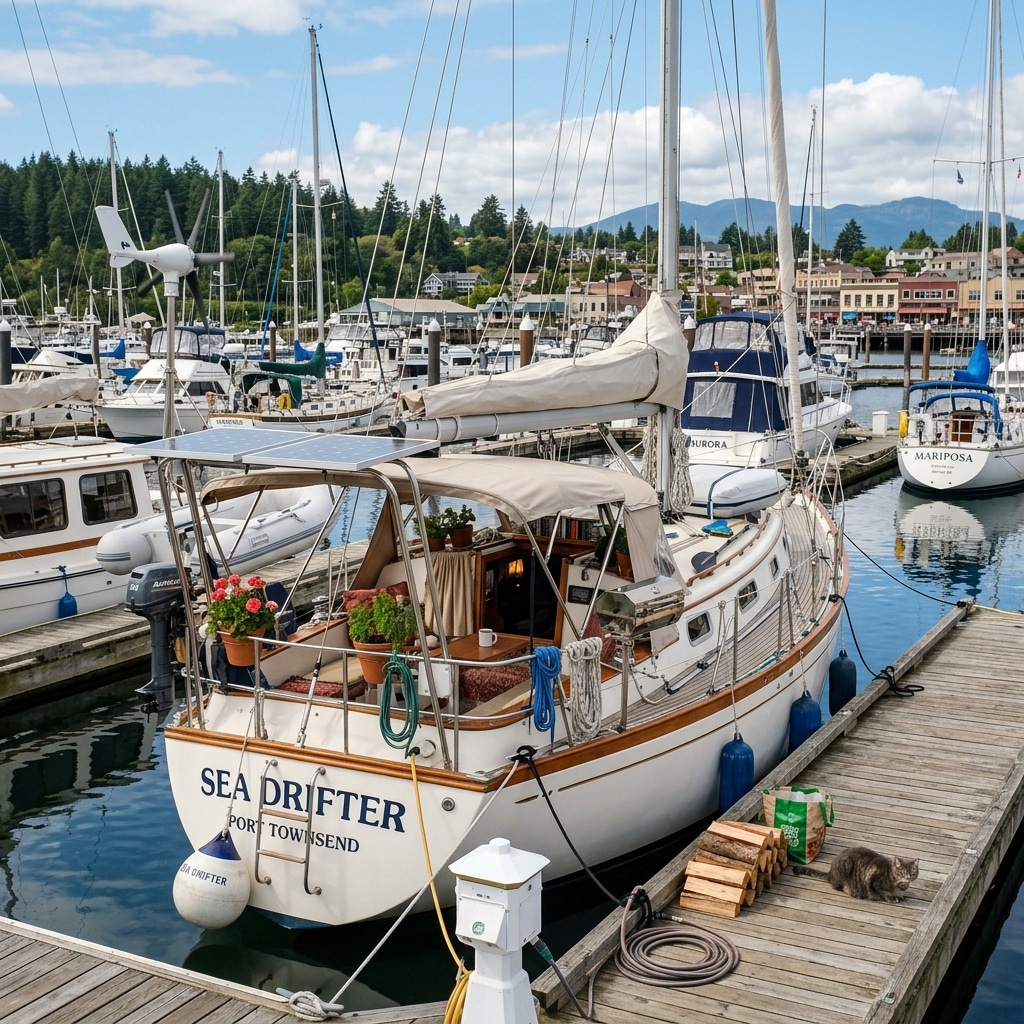
Norman, 70 says:
“Living aboard sounded romantic until I realized something was breaking every single week and we had nowhere to put a winter coat.”
The maintenance burden is constant — diesel engines, rigging, electronics, plumbing, all in a saltwater environment that destroys everything. There is no week without something needing repair.
The space is cramped in ways photos don’t convey. Storage is severely limited. Privacy is essentially nonexistent for couples. Weather anxiety becomes a permanent low-grade hum.
Social isolation creeps in faster than expected, since marina friendships are transient and your land-based community drifts away. Most liveaboard retirees sell within two to three years, frequently at a significant financial loss, having tested a fantasy and found it wanting.
10. Buying a Hobby Farm

Lorraine, 68 says:
“The chickens were charming for a season — then it was January and I was hauling frozen water buckets in the dark at sixty-eight years old.”
Animals don’t take vacations. Fences fail at the worst possible moments. Equipment breaks, and the small-engine repair shop is an hour away.
The romantic vision of country life — fresh eggs, garden vegetables, evening walks among friendly livestock — collides with the daily reality of physical labor that gets harder every year. Mucking stalls in February is not what you pictured.
Many retirees who buy small farms sell them within five years, exhausted by the unrelenting workload and realizing too late that romanticized agriculture is the most expensive kind of escapism on the menu.
9. Big Cruise Ship Vacations as a Lifestyle

Marvin, 73 says:
“After our fifth cruise I couldn’t tell you which port was which, and we still hadn’t actually seen any of those countries.”
Occasional cruises are fine. Making them the central pillar of retirement travel often leads to a creeping sameness — the same buffets, the same brief port stops where you see a souvenir district, the same manufactured entertainment.
The illusion of having traveled is strong. The reality of having actually experienced a place is much thinner. Eight hours in Rome from a cruise terminal is not Rome.
Many retirees who go all-in on cruising find themselves bored within a few years, having spent the same money that would have funded real, immersive trips.
8. Opening a B&B or Boutique Hotel

Estelle, 71 says:
“I quit my job to escape work and now I’m cooking breakfast for strangers and laundering sheets seven days a week.”
What sounds like hosting interesting people in a beautiful setting is actually a 24/7 hospitality job with no real time off. Guests arrive at odd hours, complain about wifi, and leave bathrooms in surprising conditions.
Breakfast must be cooked every morning. Linens must be laundered constantly. Negative online reviews can dominate your mood for days.
The work is constant, the guests are demanding, and the financial returns rarely justify the labor when calculated per hour. Most B&B owners exit within a few years, quietly relieved to make breakfast only for themselves again.
7. Becoming a “Snowbird” With Two Homes

Cliff, 72 says:
“Twice the property taxes, twice the lawn care, twice the things that break — and I spend half of every move fixing what broke while I was gone.”
Two of everything — property taxes, insurance policies, maintenance budgets, utility bills, lawn services, security systems, sets of furniture, kitchen inventories.
The logistical complexity of moving between two homes seasonally is exhausting. You spend the first two weeks at each location dealing with what broke while you were gone. Mail forwarding, prescription transfers, medical providers in two states.
The lifestyle that seemed glamorous becomes a tiring shuttle. Many snowbirds eventually sell one home, wishing they’d just rented in the second location and kept their life genuinely simple.
6. Moving to Be Closer to Grandkids

Bernice, 70 says:
“We sold our house and moved across the country, and eighteen months later my son took a job in Singapore.”
The intention is loving and the impulse is strong, but the move can backfire dramatically.
Adult children may relocate for jobs within a few years of your arrival, leaving you in an unfamiliar city. Family dynamics may shift — the daily involvement you imagined may not match what your kids actually want.
You leave behind decades of friendships, doctors, and routines. Some retirees end up isolated in cities they moved to specifically to be less isolated, having traded a known community for a hoped-for closeness that didn’t materialize.
5. Starting Your Own Business in Retirement

Mort, 69 says:
“I sank a hundred and fifty thousand of my retirement into a coffee shop that closed in two years.”
The stress, hours, and financial risk you spent decades managing come roaring back, often with retirement savings now on the line instead of a steady paycheck cushioning the blow.
Most retirement-stage businesses don’t succeed. The failure rate for new small businesses is high in any decade, and the energy required to push through the early years gets harder to summon at 65.
The toll on health, marriage, and finances can be severe. Many retirees who start businesses describe it as the most expensive way they’ve discovered to feel useful — and say so after closing.
4. Buying a Vacation Home

Audrey, 71 says:
“We stopped going anywhere new because the lake house was sitting empty and we felt guilty not using it.”
It becomes a second job — maintenance, property management, insurance, taxes, rental logistics if you try to offset costs. The guilt of not using it enough creeps in within a year.
You feel obligated to vacation there instead of exploring new places, because the home is sitting empty and costing money. The freedom you imagined is replaced by recurring obligation to the same destination.
Many retirees sell within a decade, wondering why they bought, and realize they could have stayed in extraordinary rentals around the world for less than they spent on one second home.
3. Buying a Boat

Lester, 70 says:
“I used the boat eleven times last year and wrote checks for it fifty-two.”
The cliché exists for a reason: “the two best days of boat ownership are the day you buy it and the day you sell it.”
Maintenance is relentless and expensive. Marine environments destroy everything. Marina fees, insurance, fuel, winterization, and the inevitable repairs add up to far more than the purchase price suggested.
Weather constrains use to a handful of perfect days per season. Most boats sit unused far more than they’re enjoyed. The depreciation alone is punishing — boats often lose 20% to 30% of their value the moment they leave the dealer.
2. Moving to a Tropical Paradise or Foreign Country

Wendell, 73 says:
“Two years in Costa Rica and we came home — we missed our friends, our doctors, and the assumption that things would work.”
The vacation version is wonderful. Living there is harder in ways that don’t surface until you’ve burned the bridges back home.
Healthcare gaps can be life-threatening. Visa rules change. Hurricane seasons or political instability disrupt the idyll. Language barriers wear on daily life. The expat social scene can be surprisingly thin and transient.
The slow loss of your social network back home is the deepest cost — friendships maintained on FaceTime aren’t the same. Many expat retirees return within a few years, having spent enormous sums on a move that didn’t take.
1. Buying an RV and Traveling Full-Time

Mildred, 72 says:
“We sold the house, bought the motorhome, and fourteen months later we were exhausted, broke on the resale, and trying to find an apartment in our old town.”
It tops the list because it combines almost every regret factor at once — financial, physical, social, and lifestyle — into a single purchase.
Large upfront cost ($100,000–$300,000+ for a decent Class A), brutal depreciation, constant mechanical problems, expensive storage and campground fees, and the physical toll of driving a 35-foot vehicle that grows harder each year.
Then the lifestyle discovery: most people don’t actually enjoy living in 300 square feet or moving every few days. Social connections fray. Within 12 to 18 months, most full-time RV retirees are looking for a way out.
—
The thread connecting the top of this list is simple: the deepest regrets aren’t about experiences that disappointed but about commitments that locked retirees in. Reversibility, not enjoyment, is the real measure of risk. The best protection against regret may be the most boring advice possible — rent before you buy, visit before you move, and treat any retirement decision that costs more than a vacation as worthy of the same scrutiny you once gave to career moves.