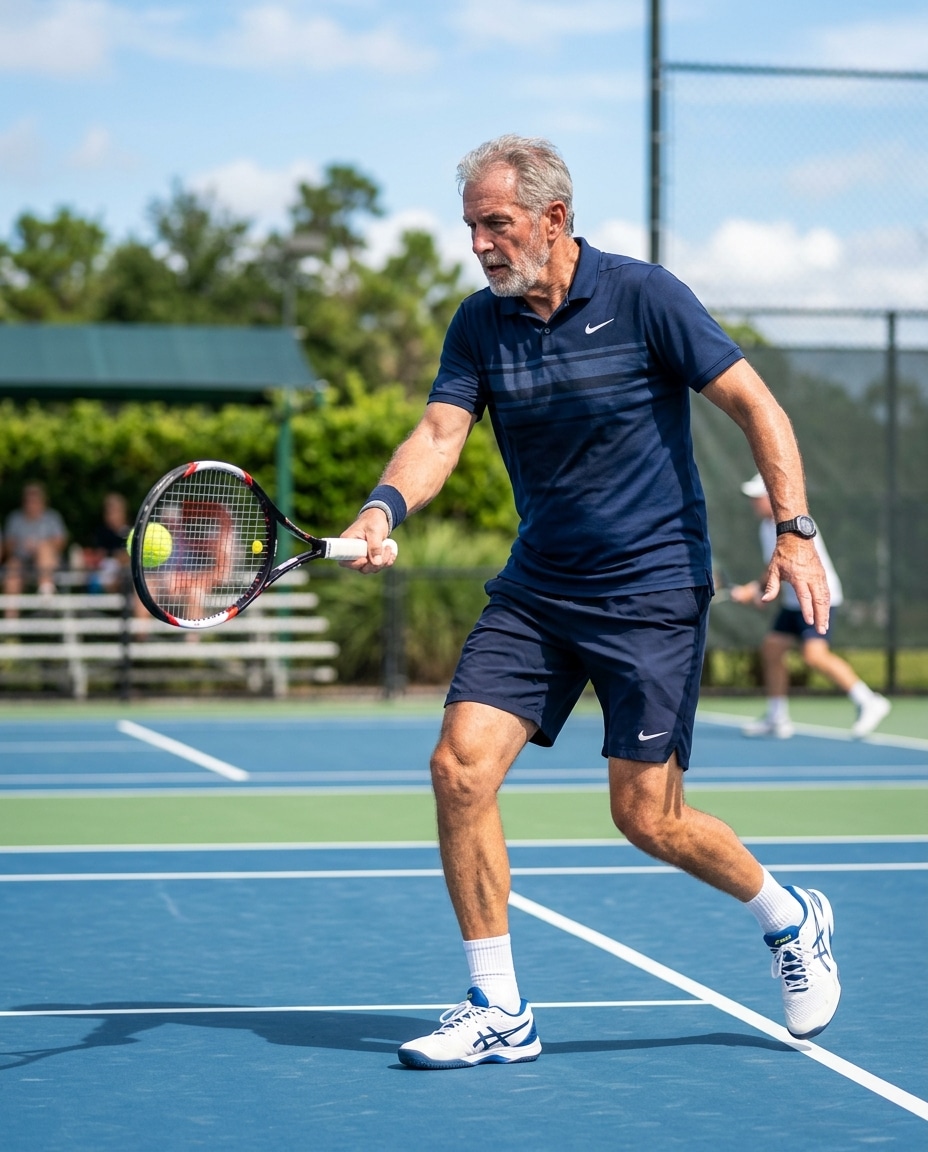
The old picture of American retirement — slow afternoons, the occasional walk, a weekly round of golf — stopped describing reality at least a decade ago.
What’s replaced it is more interesting: a generation that read the research, watched their parents lose their independence too soon, and quietly concluded that staying active past 65 is not just a hobby. It’s a necessity.
But it can also be fun.
The participation numbers below show how that plays out. Some of the rankings will catch you off guard. You’ll be surprised to see which sport has overtaken golf, and which one outranks tennis.
Here is the definitive ranking of the 34 most popular sports and physical activities among American retirees in 2026, counted down from least popular to most. The five tiers move from niche specialty sports up through the massive-scale activities at the top.
Tier 5: Niche, Regional & Specialized Sports (Under 500,000 Participants 65+))
The tier-five activities sustain dedicated communities despite real access constraints — specific climates, expensive equipment, or skill prerequisites that exclude casual participation.
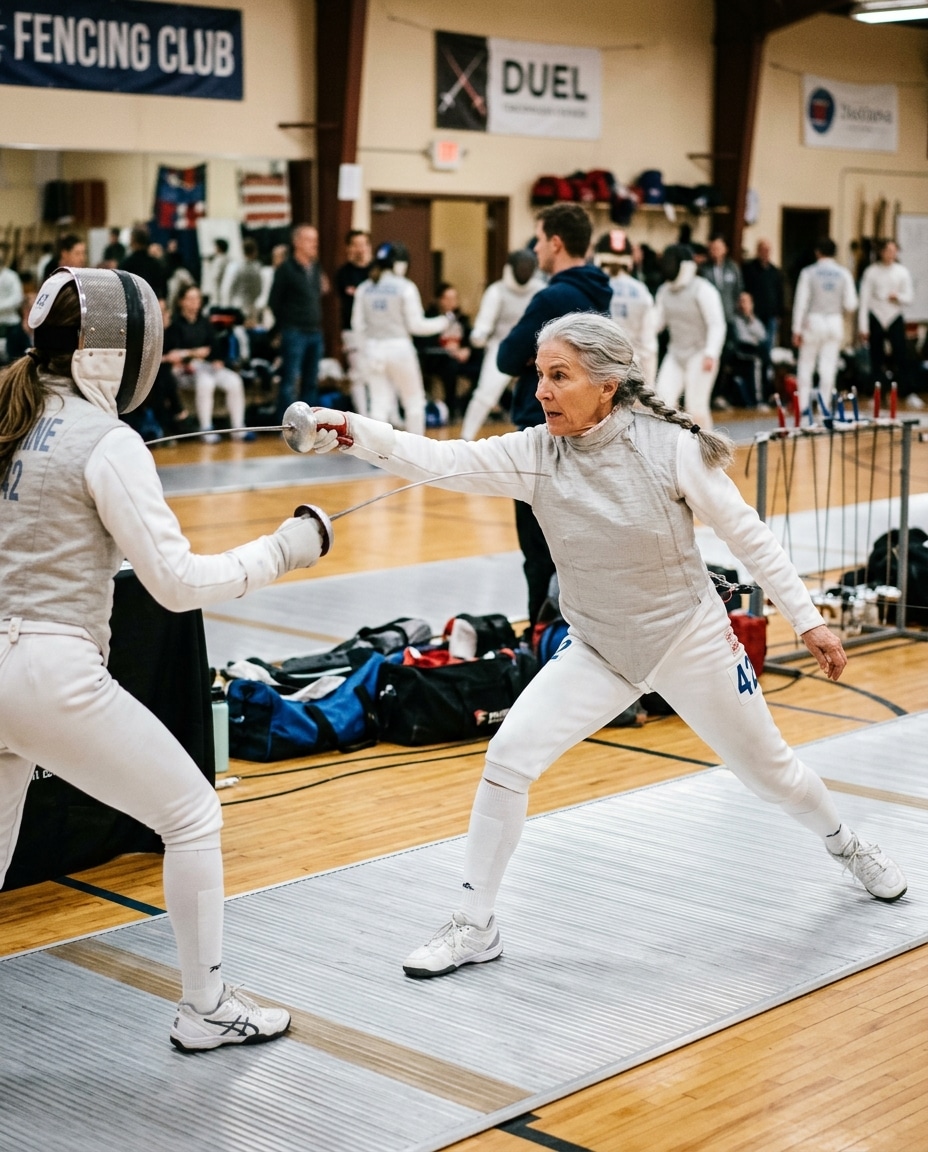
34. Fencing
Estimated participants:
~30,000
Fencing’s presence on this list at all is somewhat extraordinary, and the explanation lies in the structure of the sport itself.
Veteran fencing — the official category for ages 50 to 70+ — is organized into five-year age brackets that allow genuinely competitive play against opponents of equivalent capacity.
The relevant skills are heavily cognitive: tactical reading, distance management, timing, and the psychological warfare of bladework. Raw speed declines, but experienced veteran fencers routinely defeat younger fencers through superior anticipation.
The community is small, geographically concentrated near established clubs, and unusually committed to a sport most Americans only ever see at the Olympics.
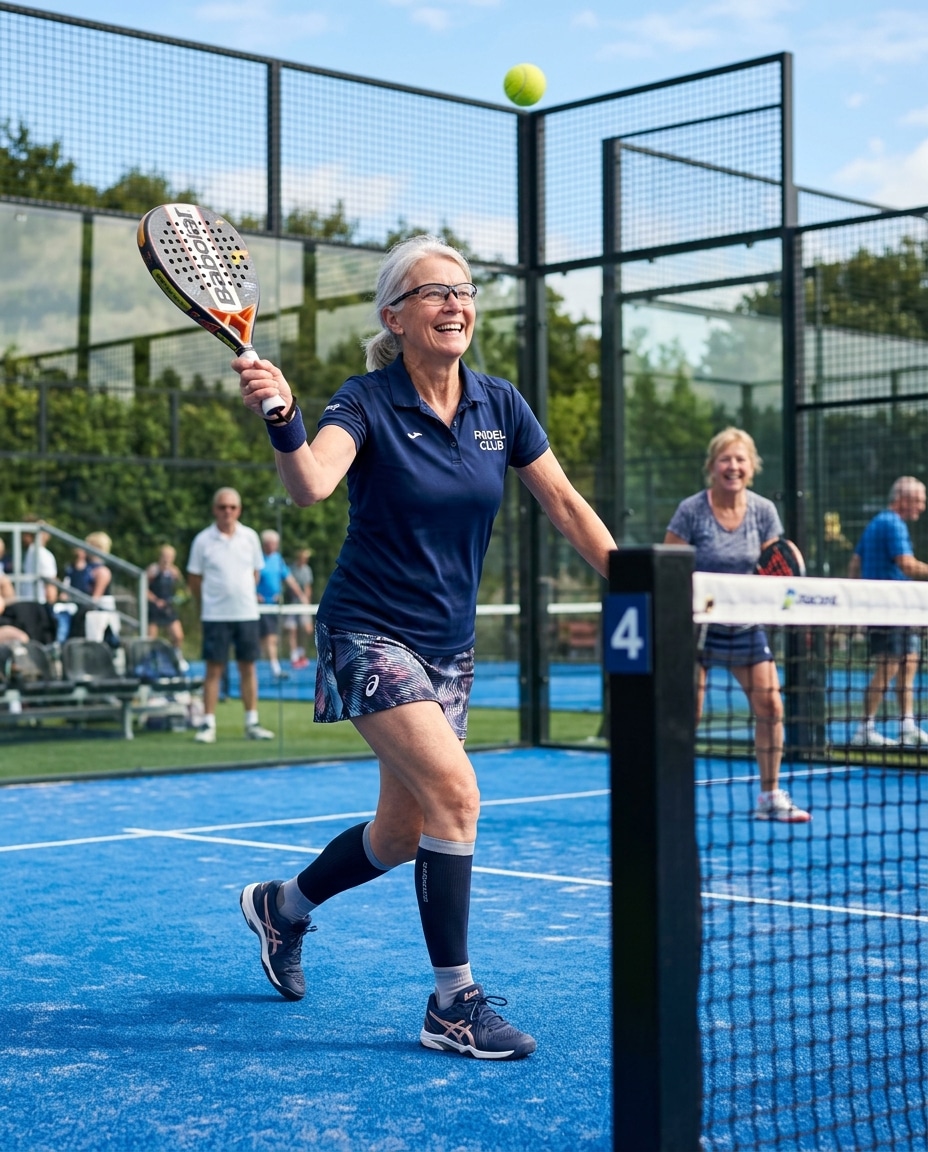
33. Padel
Estimated participants:
~100,000
Padel’s American footprint is small but growing faster than any other racket sport. The senior adoption pattern is interesting: high-end retirement communities in Florida, Texas, and Southern California are installing padel courts at a noticeable rate, often before any nearby public facility exists.
The appeal to older players is structural — smaller court than tennis, glass walls that keep balls in play and reduce running, mandatory doubles format, and an underhand serve that protects the shoulder.
Whether padel becomes a meaningful senior sport in the United States depends on whether court construction keeps scaling, which currently looks likely.
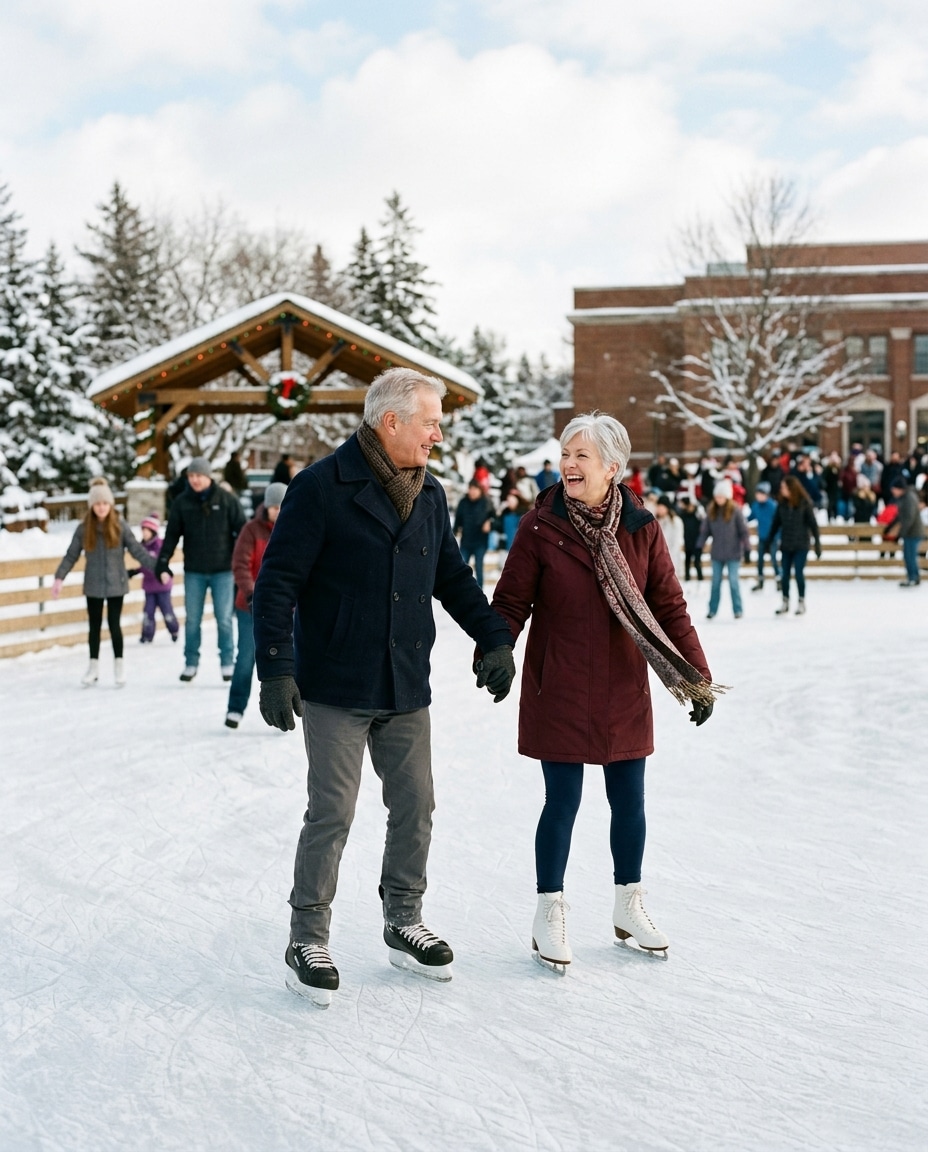
32. Ice Skating & Curling
Estimated participants:
~150,000
Curling has been quietly growing among American retirees for two decades, driven by the same logic that makes shuffleboard durable — high strategic content, low physical demand, and a strong club culture that provides built-in social structure.
The 2010 and 2014 Winter Olympics gave the sport meaningful exposure beyond its traditional northern Midwest base, and curling clubs in cities like Seattle, Chicago, and Boston now have multi-year waiting lists.
Recreational ice skating sustains a smaller older-adult following at indoor rinks with senior session hours, though the inherent fall risk keeps participation lower than the cardiovascular benefits would otherwise warrant.
31. Alpine (Downhill) Skiing

Estimated participants:
~200,000
The 200,000 senior alpine skiers represent perhaps the most equipment- and infrastructure-dependent group on this entire list — meaningful participation requires proximity to a ski area, substantial gear investment, and physical capacity for what remains an objectively risky activity.
Modern parabolic skis have reduced the effort required to turn at recreational speeds, and the universal availability of senior season passes (often free above 80) has helped sustain participation in places like Vermont, Colorado, and Utah.
Most senior skiers self-regulate aggressively, sticking to groomed intermediate terrain during morning hours when surfaces are softest and crowds lightest.
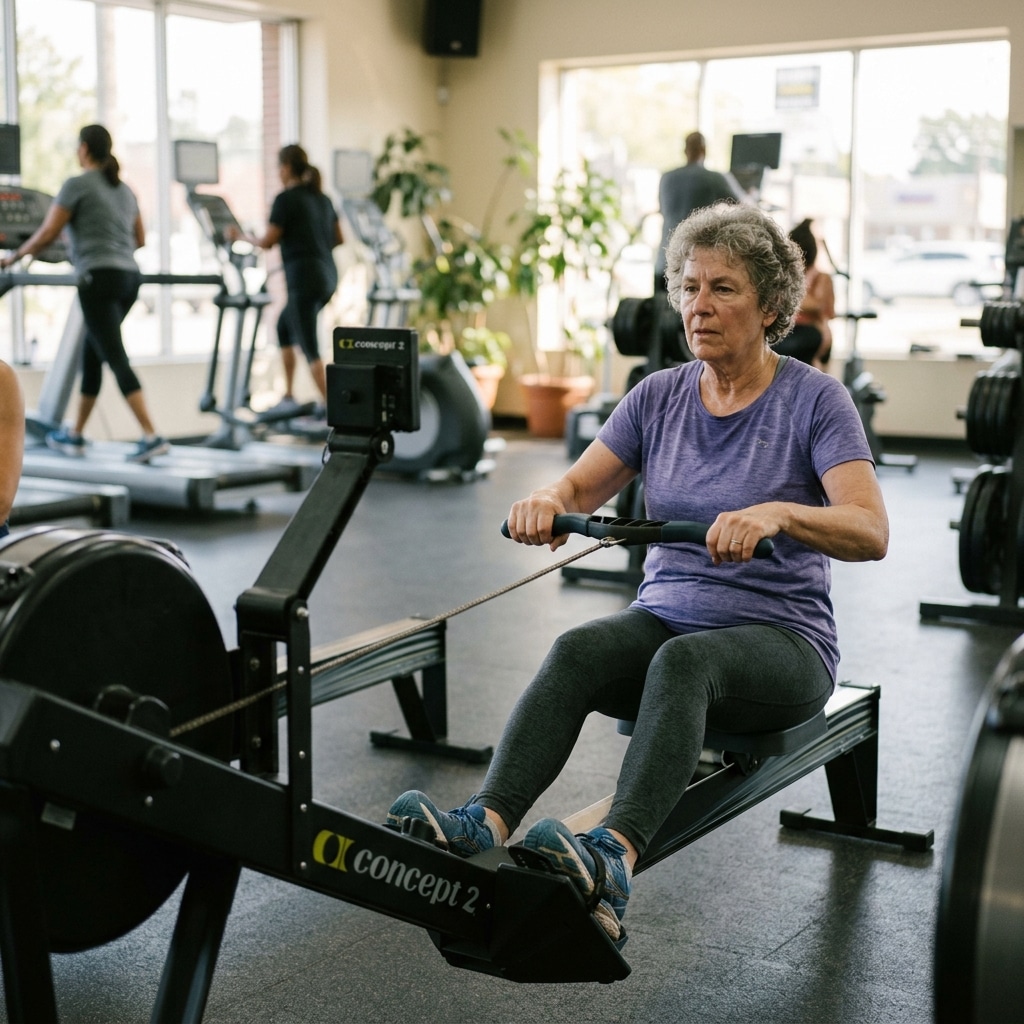
30. Rowing Machine (Crew / Gym Erg)
Estimated participants:
~250,000
Indoor rowing produces among the highest cardiovascular outputs of any gym-based activity while generating essentially zero impact load — a combination that suits aging bodies almost perfectly.
The reason participation isn’t higher is that the stroke has a real learning curve, and incorrect form produces lower-back strain that ends sessions quickly.
Retirees who learn the technique properly tend to stick with it, often becoming some of the most consistent users of the equipment in any given gym.
A small but genuine masters-rowing community continues on actual water through clubs running age-graded regattas, with competitive divisions extending well into the 80s.
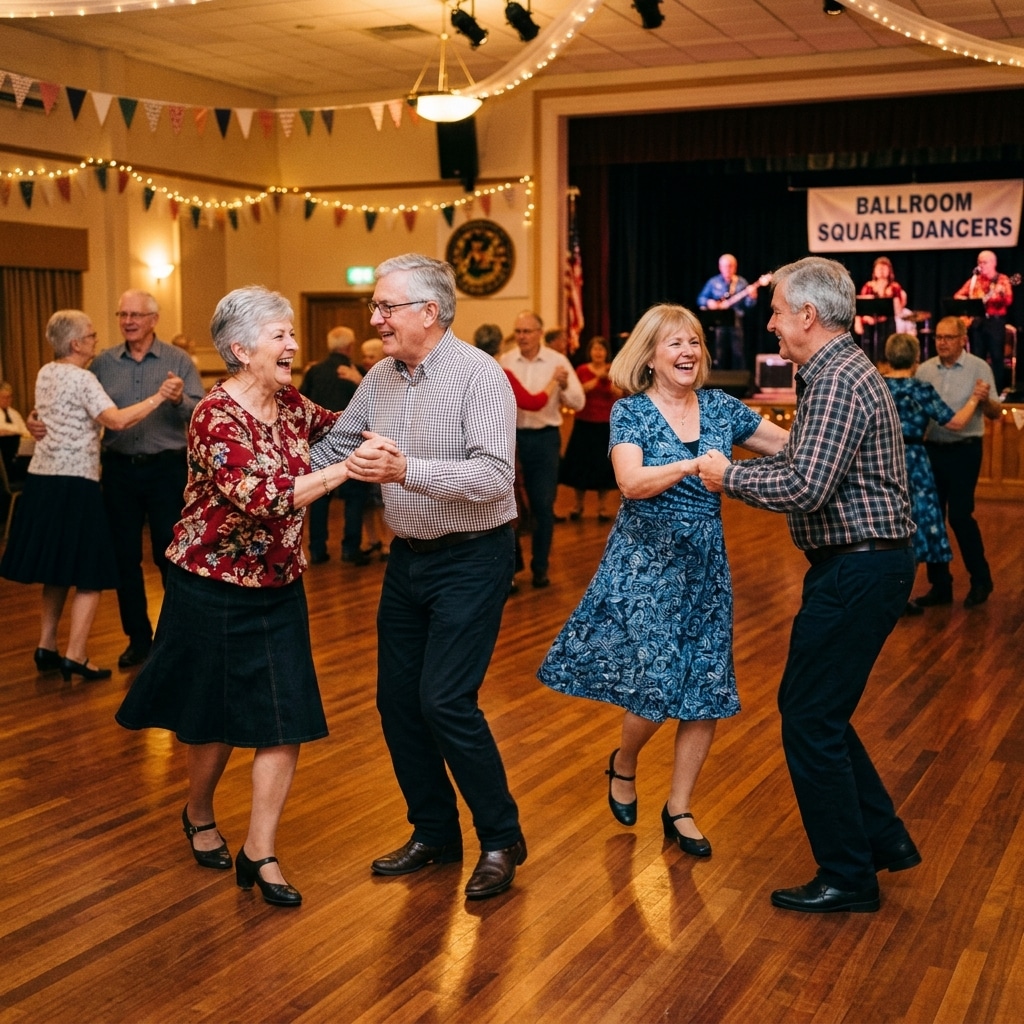
29. Ballroom & Square Dancing
Estimated participants:
~280,000
The cognitive demands of partner dance — sustained attention, sequence memory, real-time motor adaptation — are exactly the executive functions most vulnerable to age-related decline, which is why the activity attracts more research interest than its participation numbers might suggest.
The 2003 New England Journal of Medicine study finding meaningful dementia risk reduction in regular dancers has been cited extensively, though follow-up research has been more mixed.
What’s clearer is that partner dance combines physical activity, cognitive challenge, and social engagement in a way almost nothing else does — which is probably what matters most regardless of which mechanism deserves the credit.
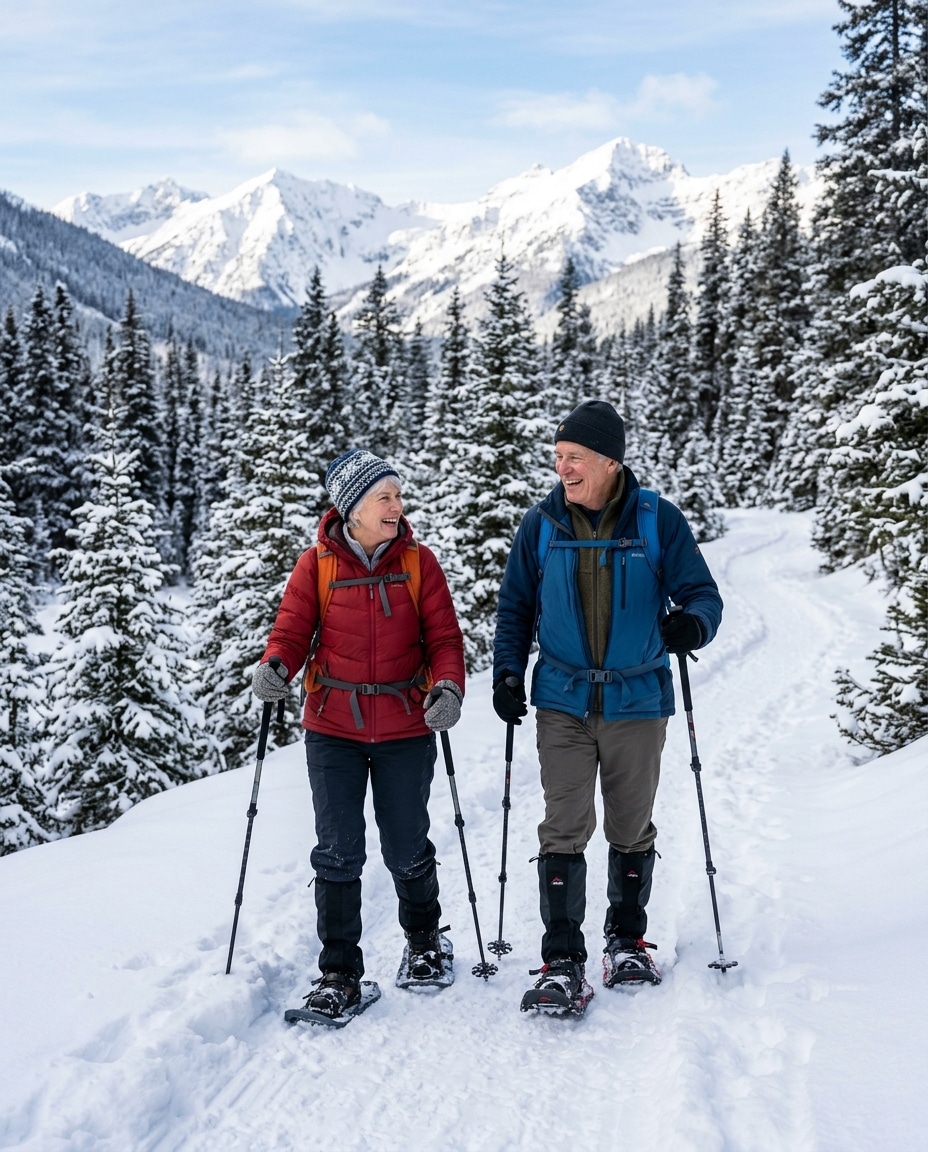
28. Cross-Country Skiing / Snowshoeing
Estimated participants:
~300,000
Cross-country skiing is consistently rated by exercise physiologists as one of the most cardiovascularly demanding activities in any sport, which sounds paradoxical for a senior-popular activity until you remember that the relevant intensity is entirely self-selected.
A retiree can ski groomed flat trails at a conversational pace and get a substantial workout with minimal joint loading.
Snowshoeing has a much shorter learning curve and broader access — essentially anyone who can walk can snowshoe — but offers less cardiovascular range.
Both activities are constrained by geography, with meaningful participation almost entirely confined to states with reliable winter snow.
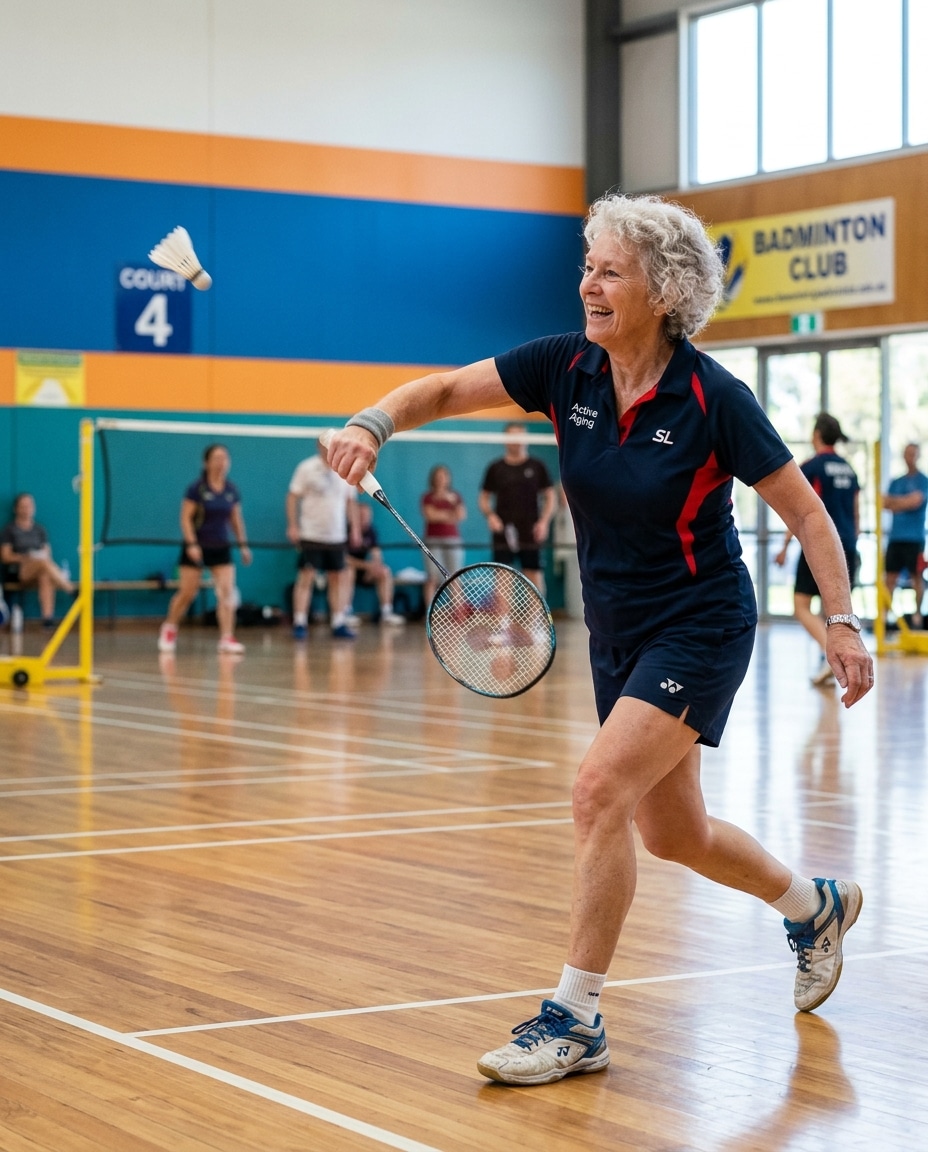
27. Badminton
Estimated participants:
~350,000
American badminton skews heavily toward immigrant communities from countries where the sport is mainstream — South Asia, East Asia, parts of Northern Europe — and the senior demographics reflect that pattern.
The sport suits older players well: lighter racket, smaller court than tennis, and a shuttlecock whose drop pattern gives noticeably more reaction time than any ball-based racket sport.
The bottleneck is venue access; badminton needs high ceilings and specific court markings that most community centers don’t prioritize, so participation is concentrated where dedicated facilities exist.
Where they do, the senior leagues tend to be lively and surprisingly competitive.
26. Disc Golf
Estimated participants:
~400,000
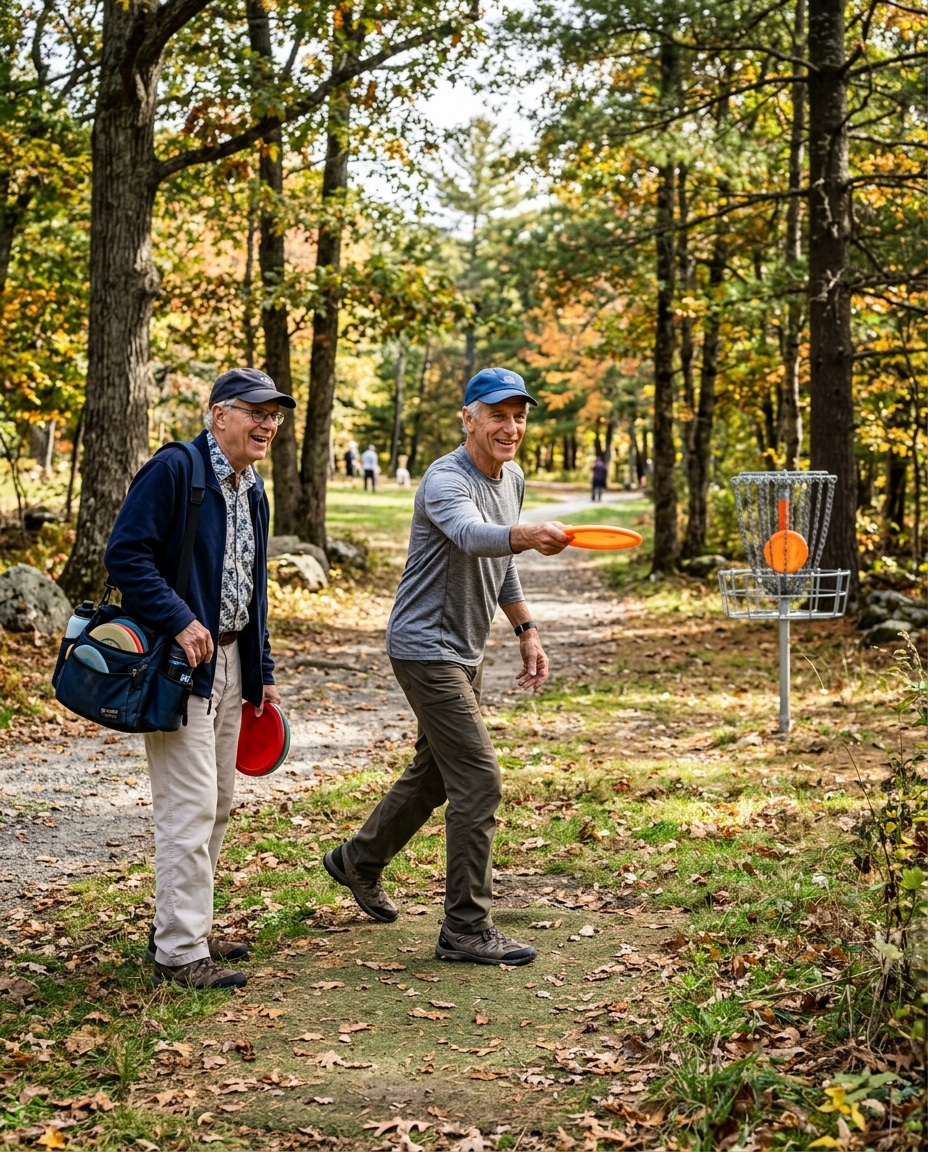
Disc golf is genuinely surprising on a retirement-sports list, but the appeal becomes obvious once you examine it.
Municipal courses are usually free, the throwing motion is gentler on the shoulder than a golf swing, rounds take an hour or two instead of five, and the long walks between holes provide exactly the moderate cardio retirees should be doing anyway.
Senior participation is concentrated in regions where the sport built early critical mass — the Upper Midwest, the Pacific Northwest, parts of the Mountain West.
Senior-specific leagues are still rare but growing, and disc golf is one of the few sports being adopted in retirement rather than continued from earlier life.
25. Snorkeling & Scuba Diving
Estimated participants:
~450,000
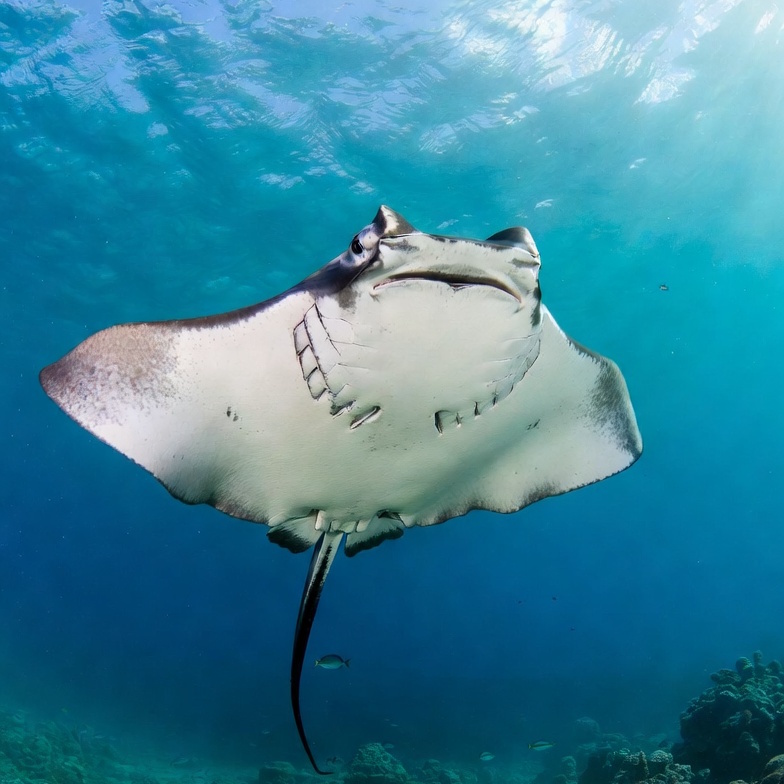
Recreational diving among older adults needs more careful framing than the participation number suggests.
The activity itself is gentle — water supports body weight, and pace is dictated by air consumption rather than effort — but medical screening for older divers is genuinely strict, and cardiac event rates during diving are non-trivial.
PADI’s senior-specific training emphasizes conservative profiles and mandatory medical clearance, and dive operators in mature markets like the Caribbean have become comfortable working with older clientele.
Snorkeling, which sidesteps the pressure and equipment complexity entirely, serves as a substantially larger and easier entry point for the same underwater appeal.
Tier 4: Traditional Racket & Precision Sports (500,000 to 1.9 Million)
These sports demand serious accumulated skill, precise spatial control, or both.
The participant counts here mostly reflect lifelong players who kept going, not new adopters who picked things up in retirement.
24. Horseshoe Pitching
Estimated participants:
~600,000
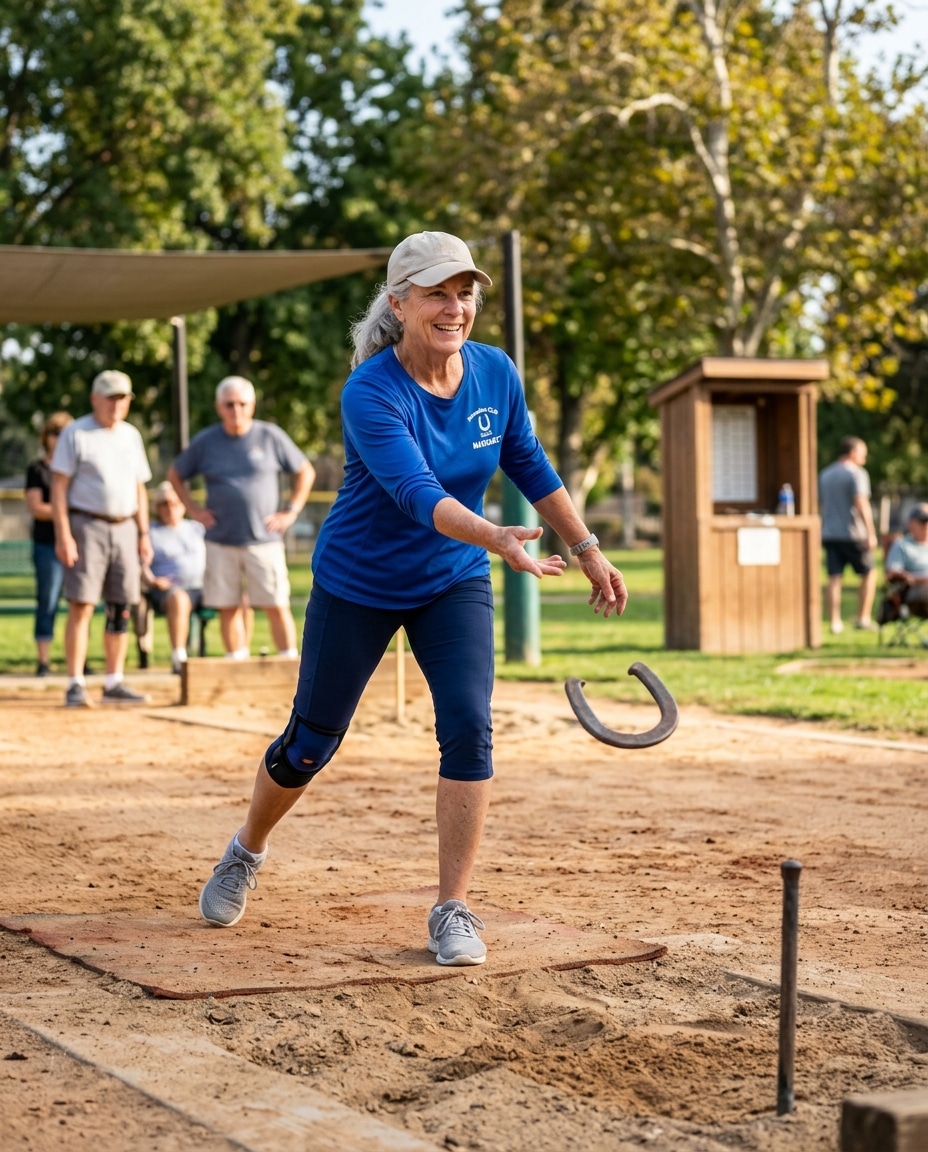
Horseshoe pitching is a case study in how a sport survives after its cultural moment has passed.
The casual recreational base has shrunk a lot from mid-century peaks, but a serious tournament community continues through the National Horseshoe Pitchers Association, with senior age divisions taken with real competitive seriousness.
The motion itself is exceptionally well-suited to aging bodies — repetitive, low-impact, skill-dominated — which is why many players find their performance peaks in their 60s before declining.
Geographic concentration is heavy in rural areas, the upper Midwest, and at campgrounds where the equipment is essentially permanent infrastructure.
23. Kayaking & Canoeing
Estimated participants:
~750,000
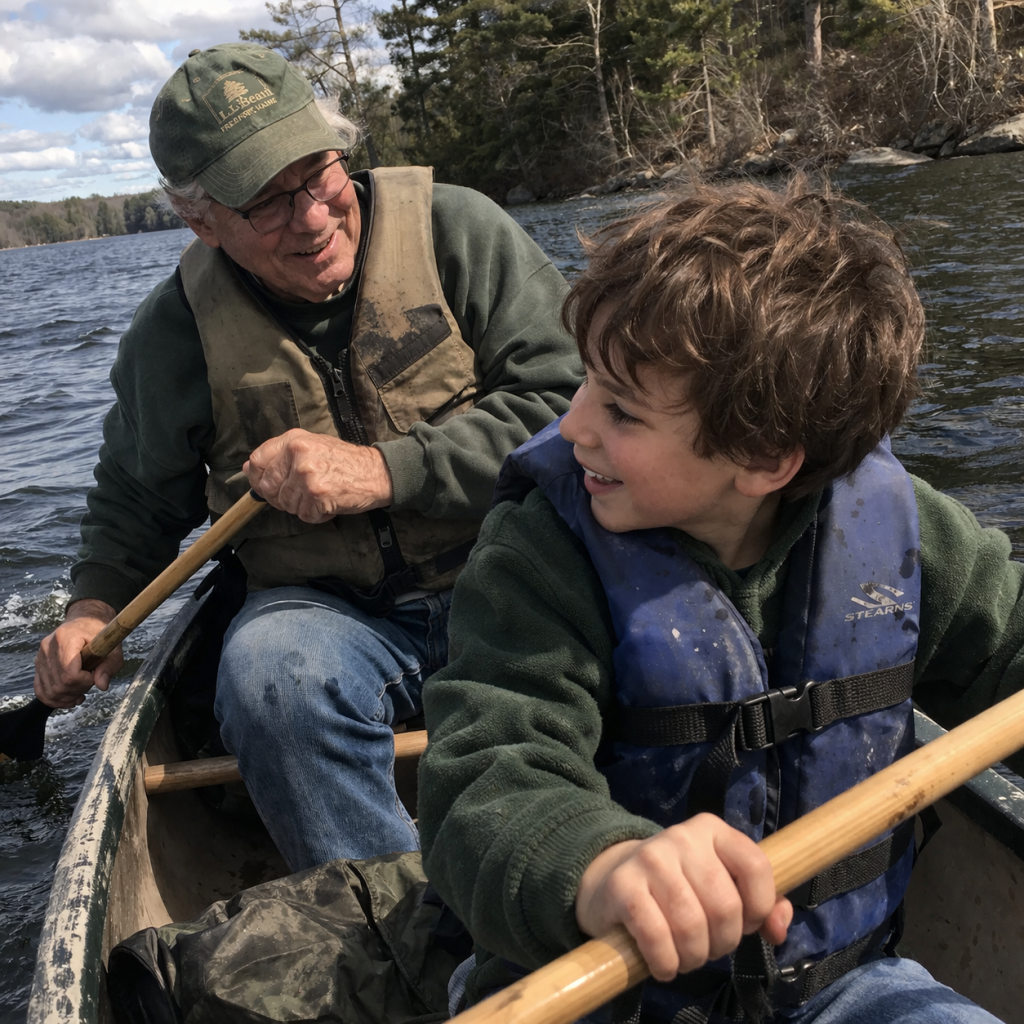
Flat-water paddling has carved out a specific niche other water sports can’t fill: meaningful upper-body and core work with zero lower-body demand, performed in scenic outdoor settings.
That’s exactly the combination retirees with knee or hip problems are looking for, and it explains the durable participation despite real equipment and access barriers.
Sit-on-top kayaks and stable recreational designs have widened the entry point considerably; the older sit-inside touring designs demanded balance and roll skills that scared off many interested adopters.
Inflatable models have addressed the storage and transport friction that previously kept a lot of curious retirees from ever trying it.
22. Running / Jogging
Estimated participants:
~800,000
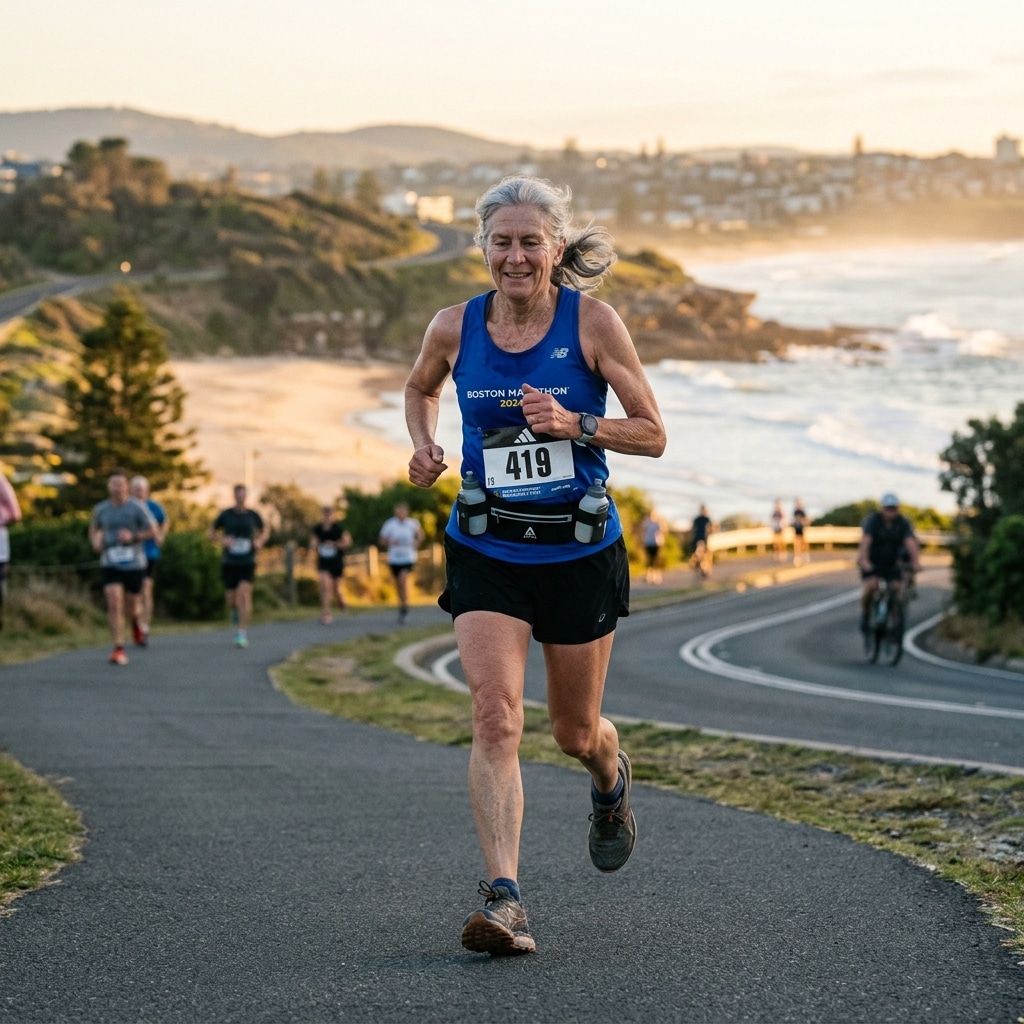
Running’s collapse past age 60 reflects honest biomechanical limits more than motivation problems.
Cumulative ground reaction forces over decades of training catch up with knees, hips, and Achilles tendons in ways that no amount of careful programming can fully prevent.
The 800,000 retirees who keep running are a self-selected group — genetically fortunate, unusually disciplined about recovery, or both. Run-walk intervals have extended careers considerably, and the masters community at major marathons remains genuinely competitive.
But the broader trajectory is unambiguous: most lifelong runners eventually transition to cycling or swimming, even the ones who swore they wouldn’t.
21. Target Shooting
Estimated participants:
~900,000
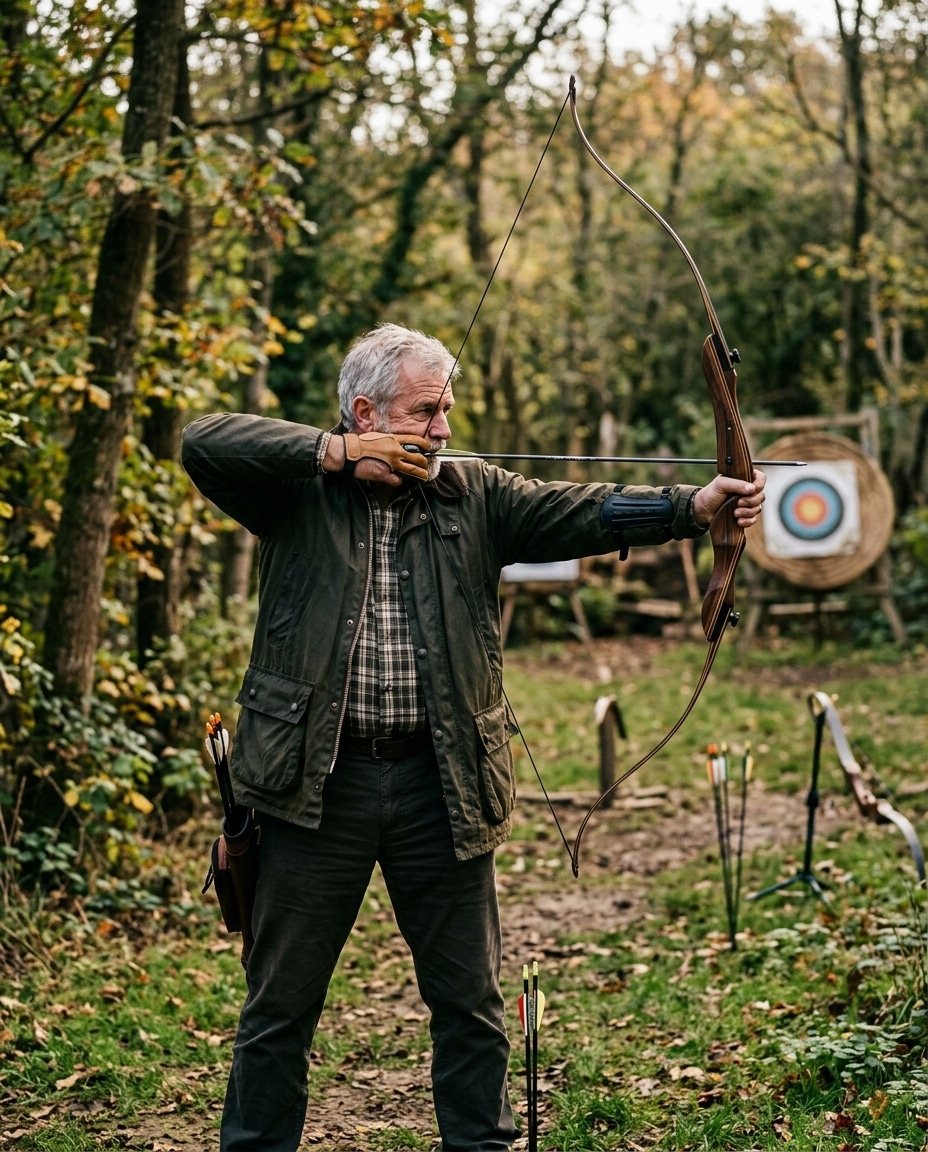
Target shooting is one of the few sports where age genuinely improves performance up to a surprisingly advanced point.
The relevant capacities — emotional regulation, breath control, patience — strengthen with maturity, while the physical demands plateau rather than decline until quite late.
Archery has built especially good senior programming around traditional recurve and barebow disciplines, where draw weights can be adjusted down without compromising the activity’s character.
The participation count almost certainly understates total engagement, because much recreational shooting happens informally on private property and outside any organized club structure that would show up in surveys.
20. Bocce Ball & Lawn Bowls
Estimated participants:
~1,000,000
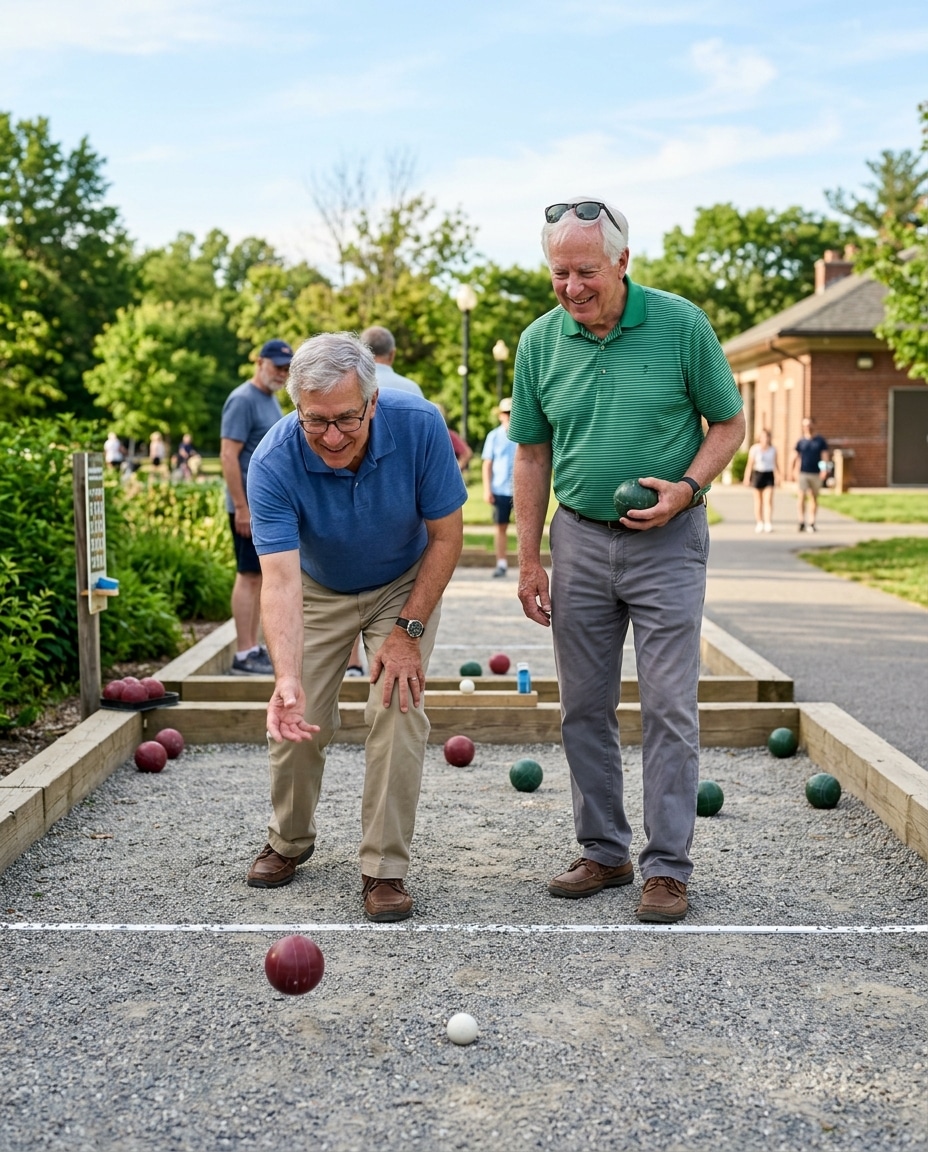
Bocce’s concentration in warm-weather retirement destinations is partly weather-driven and partly cultural — Italian-American communities introduced and sustained the sport in the Northeast before it migrated south with retirees in the 1980s and 1990s.
The casual atmosphere can disguise real strategic content, particularly in blocking and the high-stakes pointing throw at the end of a frame.
The physical demands are modest but not nothing: several hours on your feet, repeated controlled throwing, and the precise weight calibration that separates a competent player from a beginner.
Lawn bowls, the more formal British cousin, sustains a smaller but more competitive community.
19. Shuffleboard (Court & Table)
Estimated participants:
~1,100,000
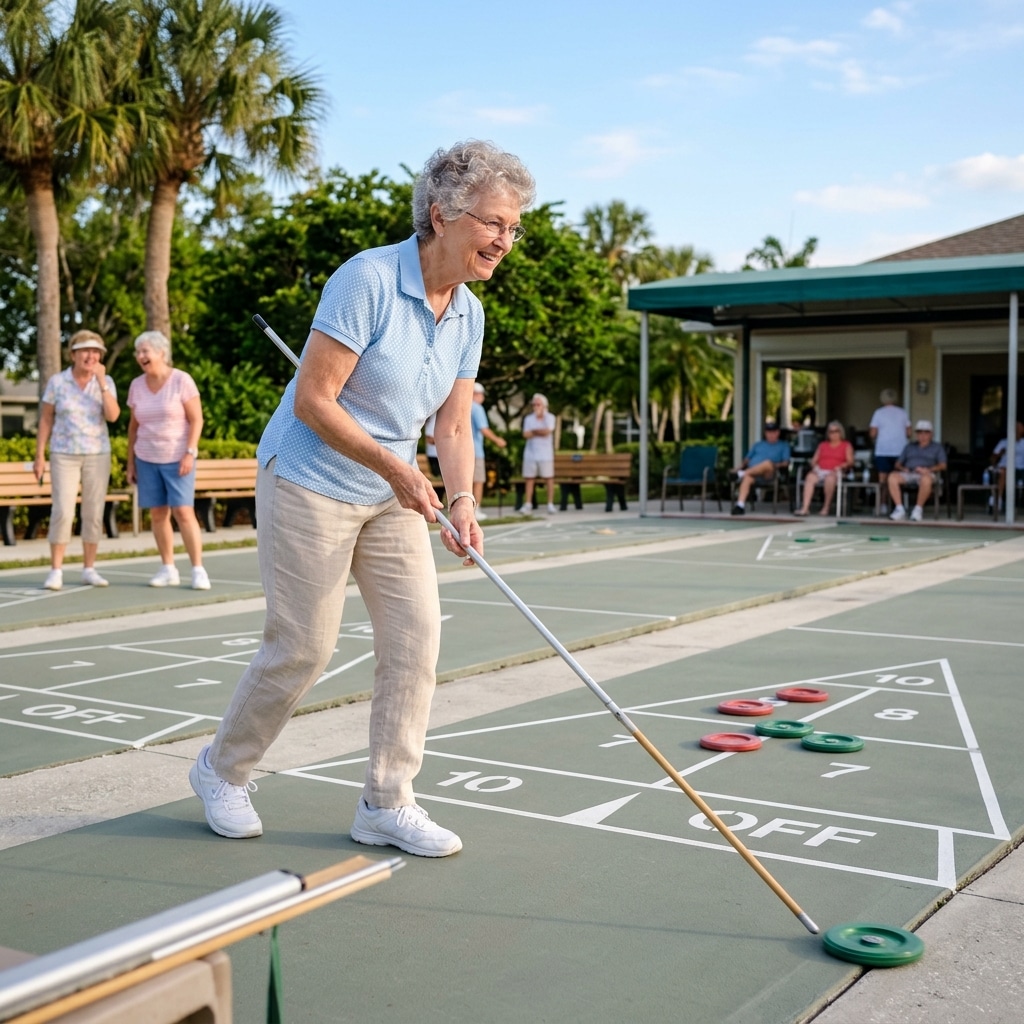
Shuffleboard’s reputation as the stereotypical retirement activity has obscured the fact that it’s genuinely tactical — the blocking, scoring, and positional logic reward experience and concentration in ways that produce real competitive depth.
Court shuffleboard and table shuffleboard have largely separated into different communities. The court version stays concentrated in Sun Belt active-adult communities, while table shuffleboard has built a separate following in bar leagues and neighborhood venues.
The participation count here probably understates the table version’s senior base, since it’s harder to track outside organized leagues, and a lot of regular players don’t think of themselves as “shuffleboard players.”
18. Table Tennis (Ping Pong)
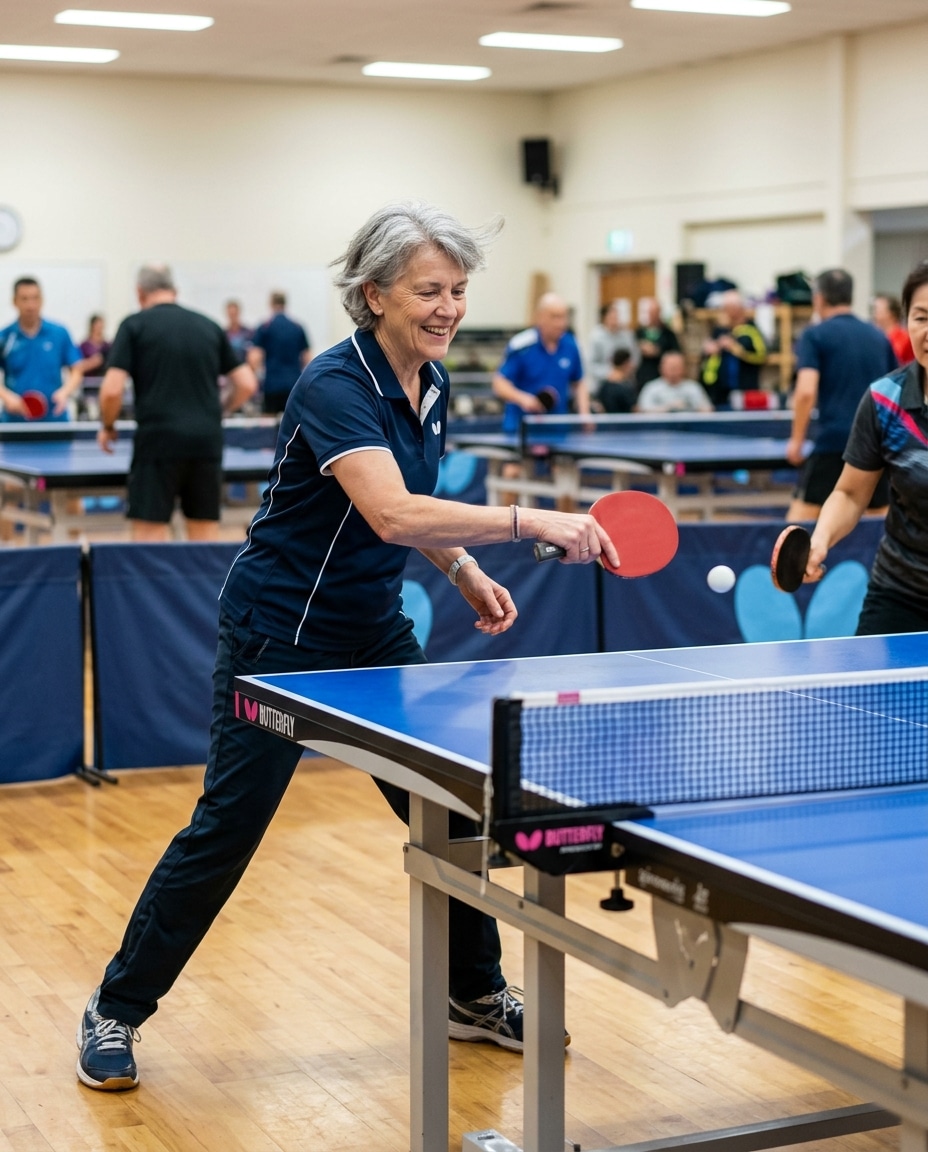
Estimated participants:
~1,200,000
The case for table tennis as a cognitive intervention for older adults is being taken seriously in neurology research.
Small studies have shown promising effects in early-stage Parkinson’s and mild cognitive impairment. The proposed mechanisms — visual tracking, rapid decisions under time pressure, fine motor control — are exactly the functions affected first in early neurodegeneration.
Whether table tennis is actually causal or just correlated with better outcomes is still open, but the activity is cheap, low-injury, and intrinsically engaging enough that the question of whether to recommend it is essentially trivial.
Doctors are starting to.
17. Billiards & Pool

Estimated participants:
~1,500,000
Billiards is one of the rare activities where 80-year-olds genuinely compete on equal footing with 30-year-olds. The relevant skills — spatial reasoning, fine motor control, patience — degrade much more slowly with age than power or speed.
The physical demand is consistently underestimated; a serious player walks several miles around the table in a long match.
The sport’s social geography has shifted as traditional bar venues have declined, with senior play now concentrated in active-adult clubhouses and dedicated APA leagues at the commercial poolrooms that remain.
The skill ceiling stays generous well into the 70s and beyond.
16. Tennis (Doubles prioritized)
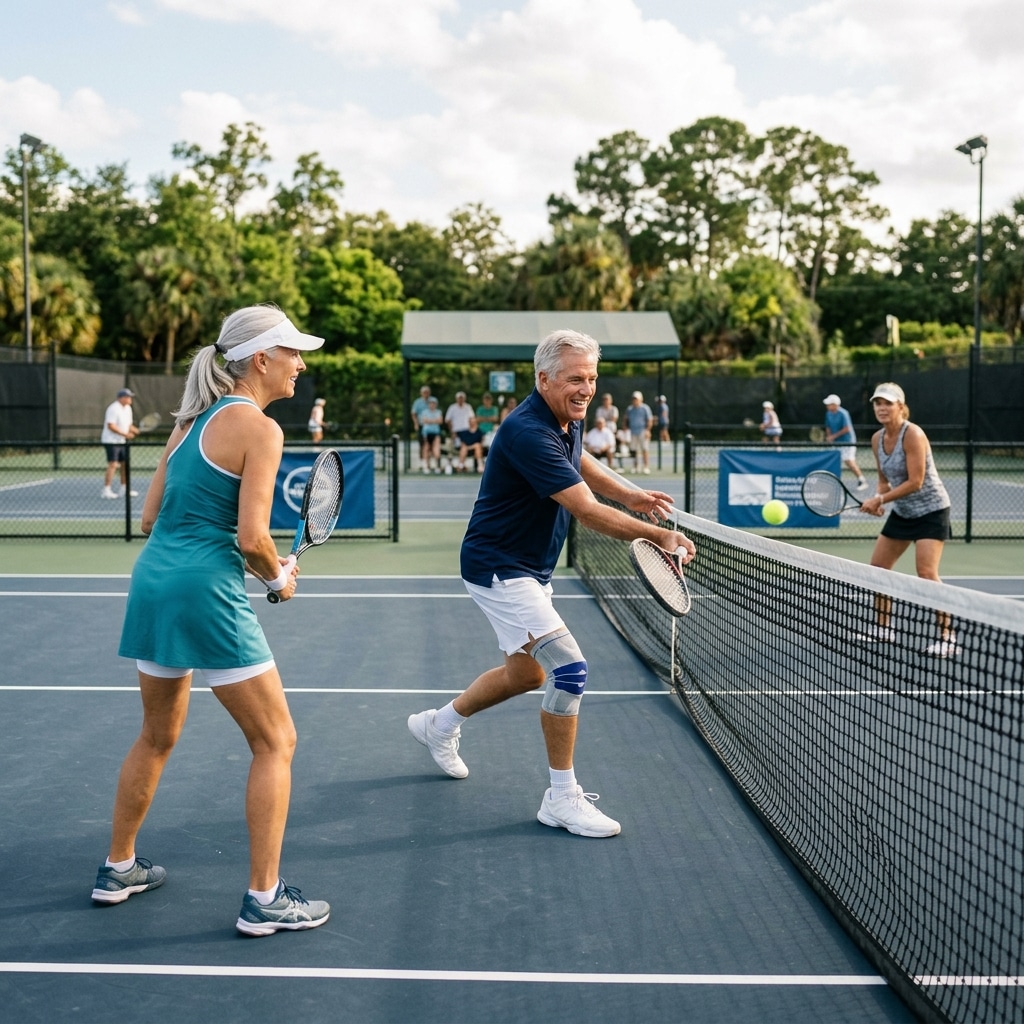
Estimated participants:
~1,800,000
Senior tennis has effectively become a doubles sport, which is less a tactical choice than a physiological necessity — singles tennis at competitive intensity is one of the most demanding sports on the planet, and largely incompatible with aging connective tissue.
The USTA’s senior league structure, organized by skill rating rather than age, lets older players find genuinely competitive games against opponents of equivalent ability instead of the age-segregated format dominating most senior sports.
The result is a small but unusually committed participant base. Most senior tennis players play multiple times a week and treat the sport as central to their identity.
Tier 3: Structured Classes & Community Centers (2 to 3.9 Million)
This tier is defined less by the activities themselves than by the institutional infrastructure delivering them — YMCAs, SilverSneakers programs, municipal recreation centers, dedicated studios.
The social and the physical are hard to separate here.
15. Pilates
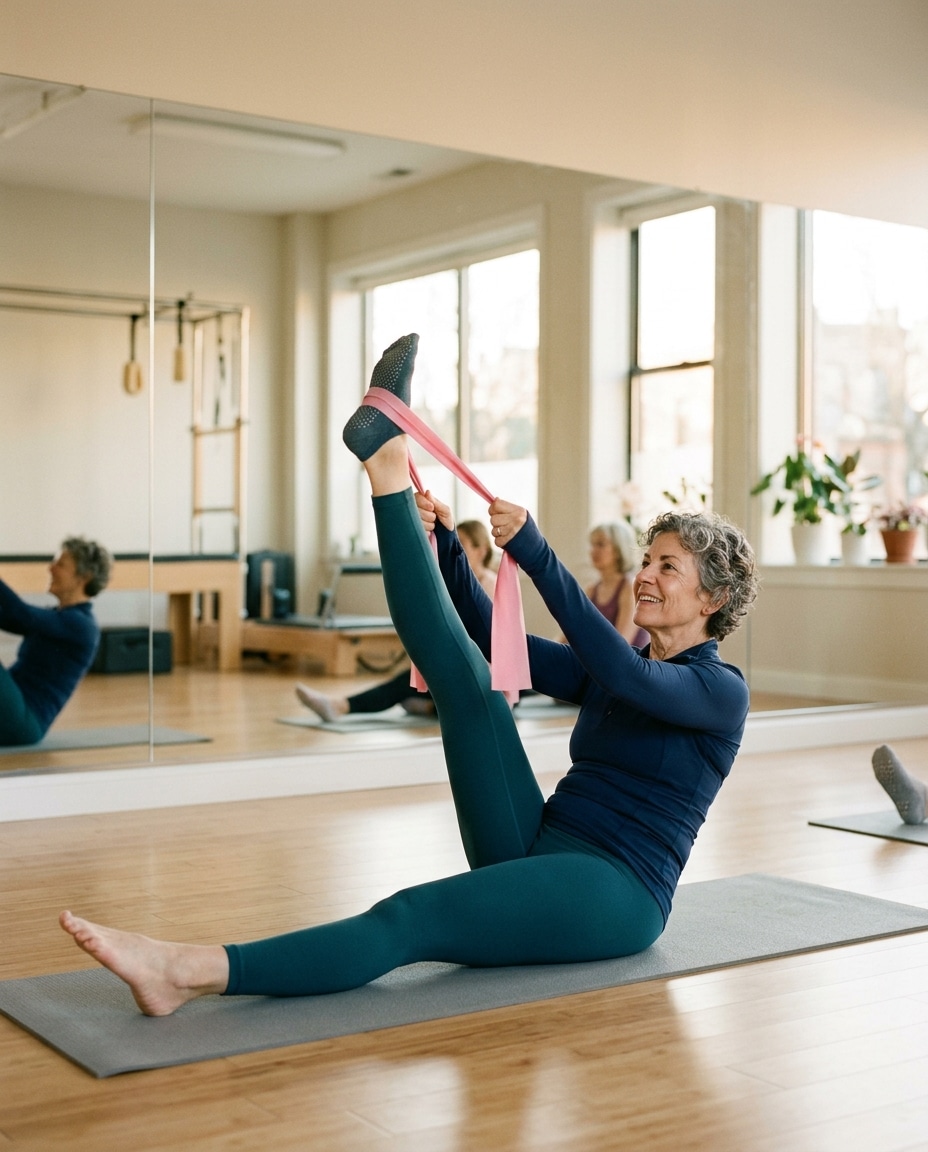
Estimated participants:
~2,000,000
Pilates sits in an interesting middle position between yoga’s mind-body framing and the strength orientation of conventional weight training.
Its focus on deep stabilizers targets exactly the muscles whose weakness is implicated in chronic lower back pain — transverse abdominis, multifidus, hip stabilizers — which affects an enormous share of the retiree population.
Reformer work has overtaken mat Pilates in senior popularity, partly because the spring resistance can be precisely calibrated to individual capacity and partly because the equipment supports transitions that aging bodies actually need.
Class sizes tend to be smaller too, which allows the kind of correction this population requires.
14. Tai Chi & Qigong
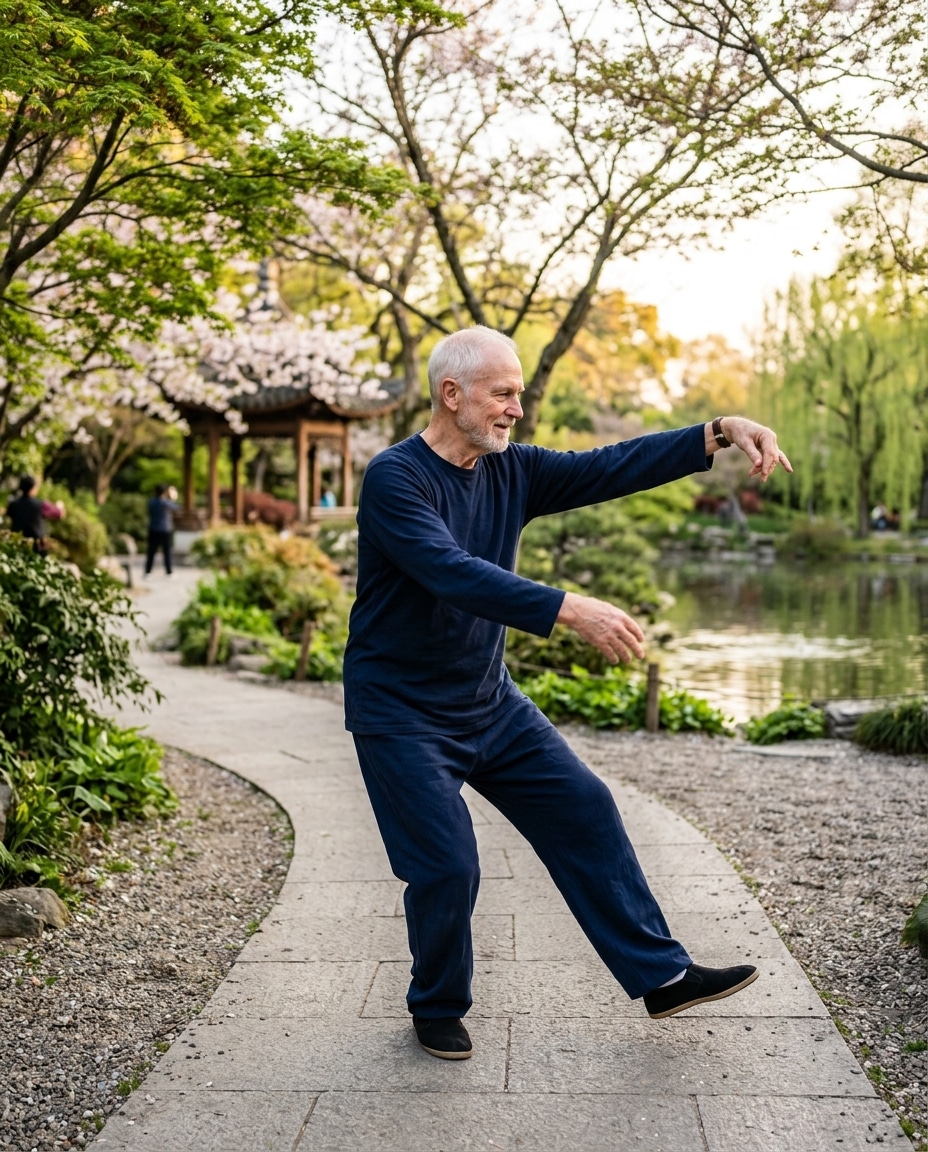
Estimated participants:
~2,100,000
Tai chi is one of very few activities on this list with a robust randomized-controlled-trial evidence base for a specific outcome that matters enormously in this demographic: fall prevention.
Multiple meta-analyses have found meaningful fall-risk reductions in older adults who practice regularly, with effect sizes comparable to or better than formal physical therapy. The mechanism appears to combine improved proprioception, ankle and hip strength, and confidence in single-leg stance.
This isn’t a wellness activity in any soft sense — it’s a medical intervention that happens to take the form of slow, deliberate movement. The slowness is part of what makes it work.
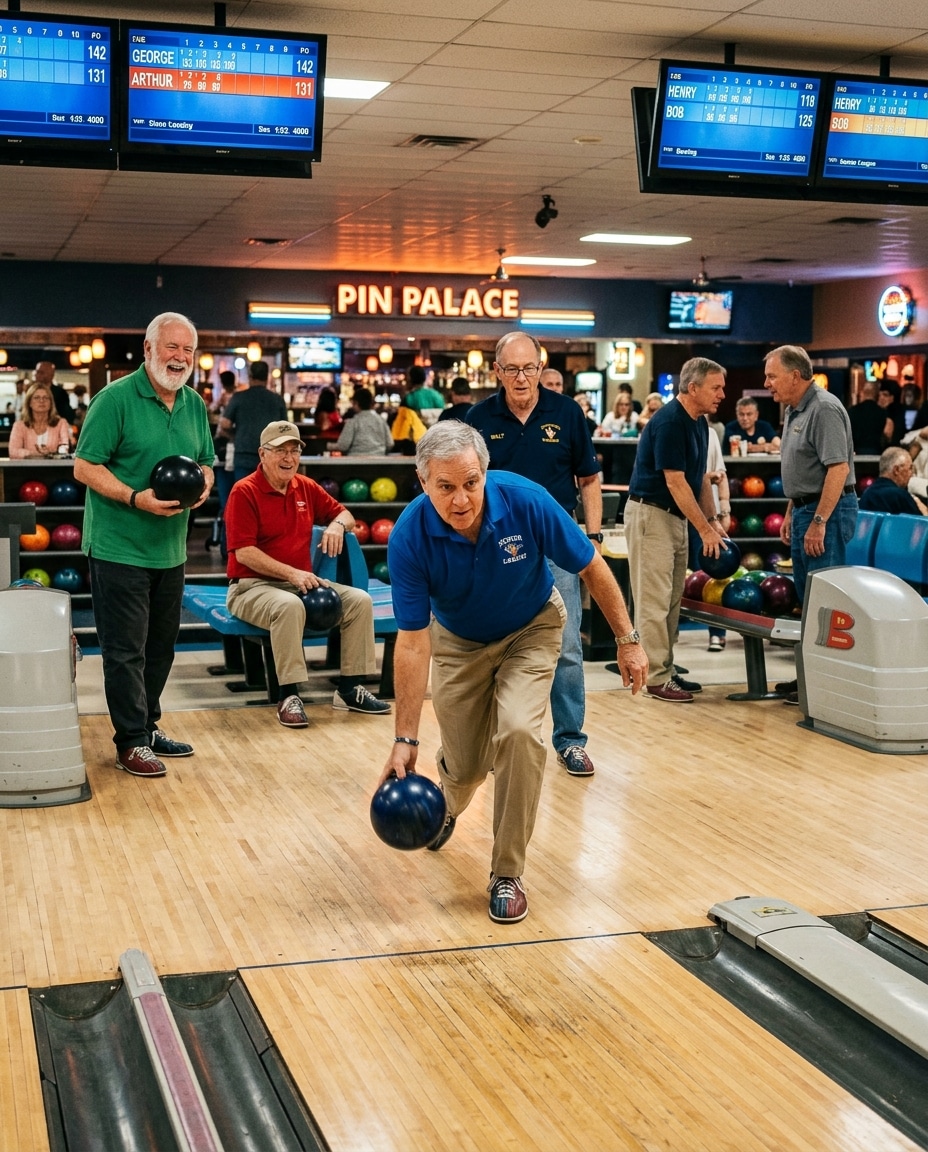
13. Bowling (Leagues & Casual)
Estimated participants:
~2,500,000
Bowling is unusual in that participation declines with age much more slowly than for any other organized sport.
The reasons are practical: it’s climate-controlled, evenly paced, and adapts to almost any physical limitation through lighter balls, ramps, and bumpers. The league structure provides the scheduling commitment that overcomes the motivation problem ending so many other senior activities.
Bowling’s cultural decline among younger Americans is well documented. Less noticed is that the retiree base has held remarkably steady, which suggests the sport may eventually become a near-exclusively older-adult activity.
That’s not necessarily a bad outcome for the people in the leagues.
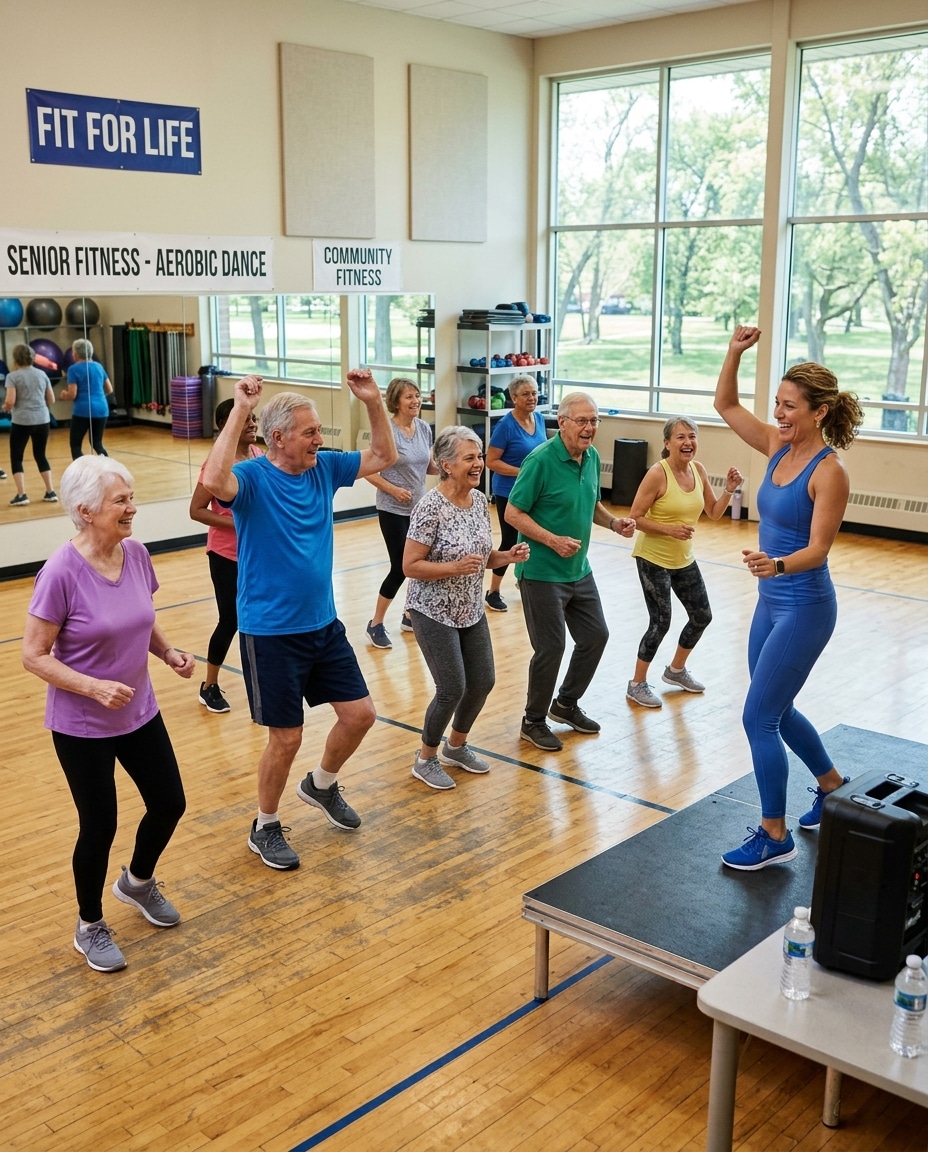
12. Aerobic Dance / Zumba Gold
Estimated participants:
~2,800,000
The cognitive demand of choreographed dance is doing more work than the cardiovascular component, and that’s probably why the format has held up so well.
Learning and recalling sequences under time pressure engages executive function in ways that walking, cycling, and lifting do not. The research on dance and cognitive aging is genuinely promising — more promising, by some measures, than the crossword-puzzle interventions that get more press.
The format also exploits music’s well-documented ability to mask perceived effort, which lets participants sustain intensities they’d otherwise quit.
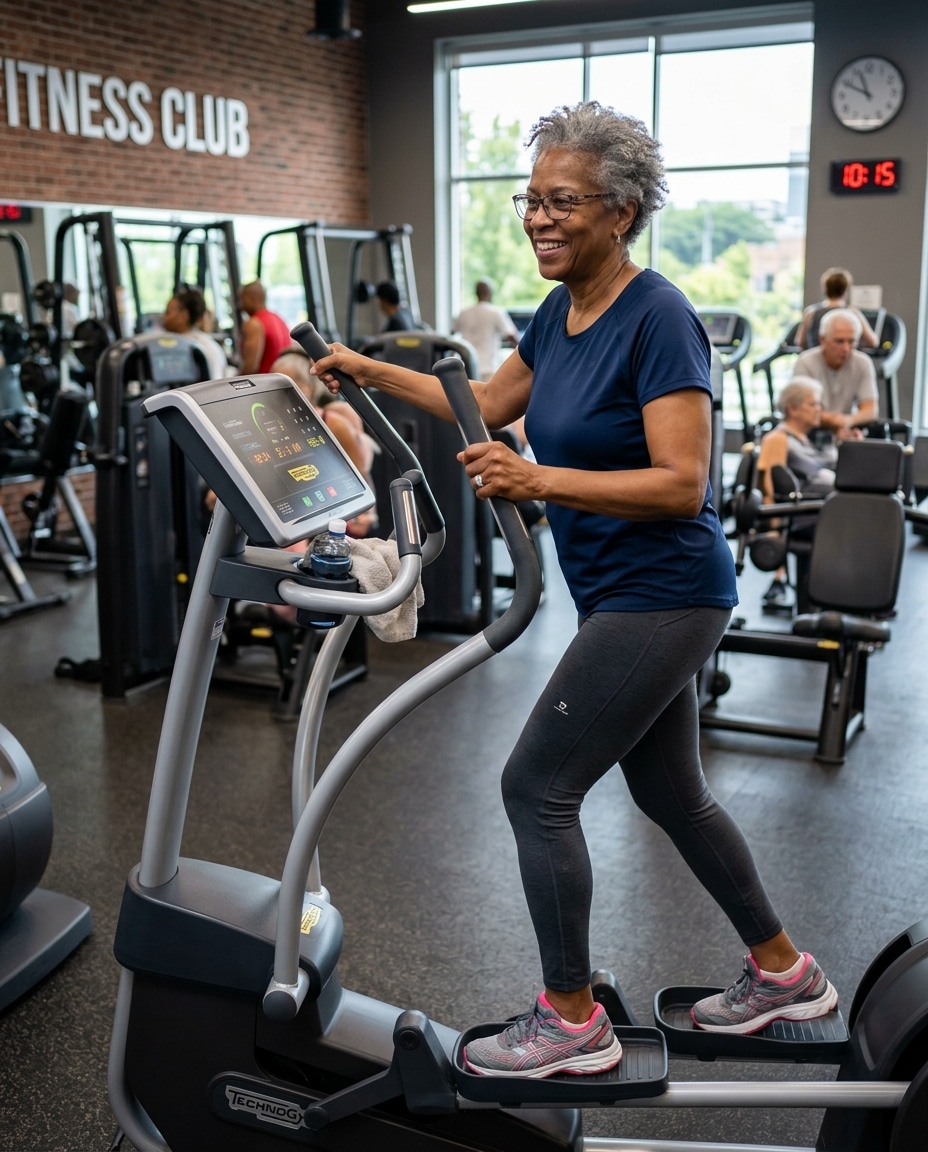
11. Elliptical Training
Estimated participants:
~3,200,000
The elliptical’s appeal to retirees comes down to one biomechanical fact: it produces a heart rate response close to running while delivering ground reaction forces close to walking.
For seniors with knee osteoarthritis or prior joint surgery, that’s not a marginal improvement on the treadmill — it’s the difference between doing cardio and not doing cardio.
The critique that elliptical training produces less functional carryover than walking or cycling is probably true. But for the relevant population the alternative is often not running, it’s inactivity. That makes the comparison less interesting than it sounds in print.
10. Yoga

Estimated participants:
~3,500,000
Senior yoga is dominated by gentle and chair-based formats, which is a meaningful departure from the broader yoga market.
The clinical evidence for older adults is strongest in balance, flexibility, and self-reported quality of life. The evidence for measurable strength or cardiovascular gains is weaker than advocates suggest.
What yoga genuinely delivers that other formats don’t is reliable nervous-system regulation — the parasympathetic shift from breath-paced movement seems to have real effects on sleep quality and anxiety.
Whether that counts as exercise is a definitional question. That it’s valuable isn’t really in dispute.
9. Water Aerobics

Estimated participants:
~3,800,000
Water aerobics deserves more respect than it usually gets.
Buoyancy and multi-directional resistance together let participants generate substantial cardiovascular and muscular load while removing essentially all impact stress — a combination no land-based exercise can match.
Participation skews heavily female, roughly 80% in most documented programs. That skew has shaped the class culture in ways that may itself discourage male participation, creating a self-reinforcing demographic.
The activity is also one of the few where participants in their 80s appear in real numbers, which is the actual test of whether something is genuinely senior-accessible or just marketed that way.
Tier 2: Heavy-Hitter Recreation & Sports (4 to 9 Million)
This is where retirement sport gets genuinely athletic — competitive, equipment-driven, organized around real venues. It’s also where the most interesting generational shifts have played out.
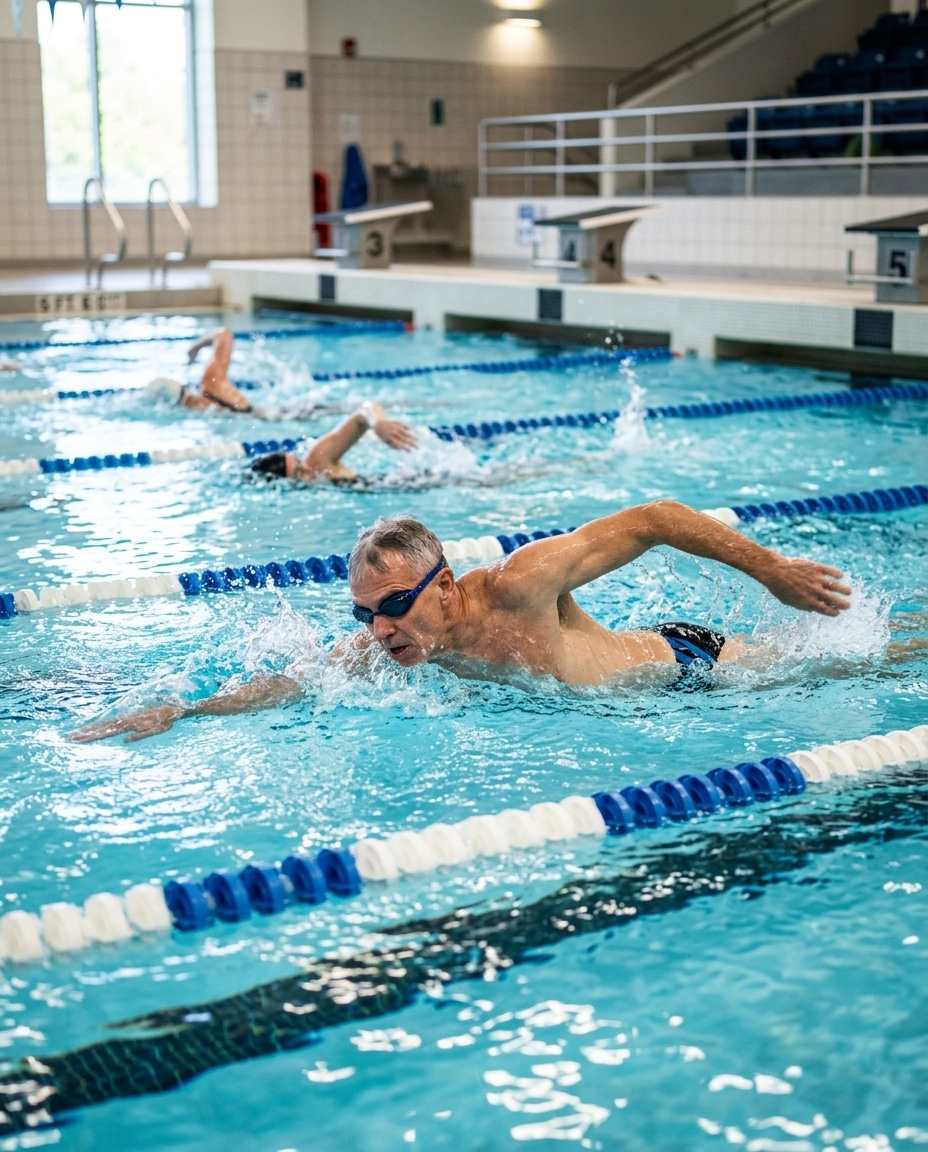
8. Swimming (Laps & Open Water)
Estimated participants:
~4,000,000
Swimming sits in a strange position. Rheumatologists recommend it more enthusiastically than any other activity, yet participation stays modest given those endorsements.
The bottleneck is access. Lap-quality pools are unevenly distributed, hours are restrictive, and the activity itself is solitary in a way that limits the social reinforcement other sports provide.
For retirees managing serious osteoarthritis or post-replacement recovery, though, swimming is often the only activity left that works at any meaningful intensity. That’s why the participation base is so durable even when the growth curve is flat.
7. Outdoor Bicycling

Estimated participants:
~4,200,000
The e-bike has so completely reshaped this category that assisted and unassisted cycling are essentially different sports now.
Electric assist flattens the hills and the headwinds at the same time, both of which historically ended cycling careers in the late 60s.
The trade-off is honest: an e-bike rider gets noticeably less cardiovascular benefit than a conventional cyclist at the same perceived effort.
The fair way to put it is that e-bikes turn cycling from a fitness activity into a transportation and exploration activity that happens to involve some pedaling. For most retirees, that’s a trade worth making.
6. Day Hiking

Estimated participants:
~4,500,000
Hiking participation skews toward more affluent and educated retirees, which reflects the logistics: trailheads require driving, often a long way, and the activity rewards prior fitness.
The real growth area is shorter, lower-stakes outings — three-mile loops in regional parks, guided senior walks through Sierra Club chapters and local clubs.
Trekking poles have done more to expand the participant base than any other piece of equipment. They reduce knee loading on descent by roughly 25%, which happens to be precisely the demographic-relevant problem.
They also help with balance on uneven ground, which sells more poles than the knee science does.
5. Stationary Cycling

Estimated participants:
~5,000,000
The interesting thing about stationary cycling among retirees is how completely it has separated from outdoor cycling. Most senior stationary cyclists don’t ride outdoors and have no plans to.
The activity is really a heart-rate-and-screen-time combination — thirty to forty-five minutes of moderate cardio paired with television, audiobooks, or podcasts.
Recumbent bikes have taken meaningful share from upright models, partly for the back support but mostly because the geometry makes getting on and off trivial. That detail matters more for real-world adherence than any cardiovascular argument you could construct.
4. Golf (Course & Driving Range)

Estimated participants:
~5,500,000
Golf slipping behind pickleball is the kind of generational shift industry analysts have been quietly tracking for years.
The reasons compound: rounds take five hours, fees keep rising, and the swing itself is unkind to aging lower backs and rotator cuffs.
What golf still offers that pickleball can’t is four uninterrupted hours of conversation with three other people, structured around a shared task. For many players, that social density is the real product and the golf is incidental.
Cart use is now near-universal in the 65+ demographic, which changes what the activity actually is biomechanically.
3. Pickleball
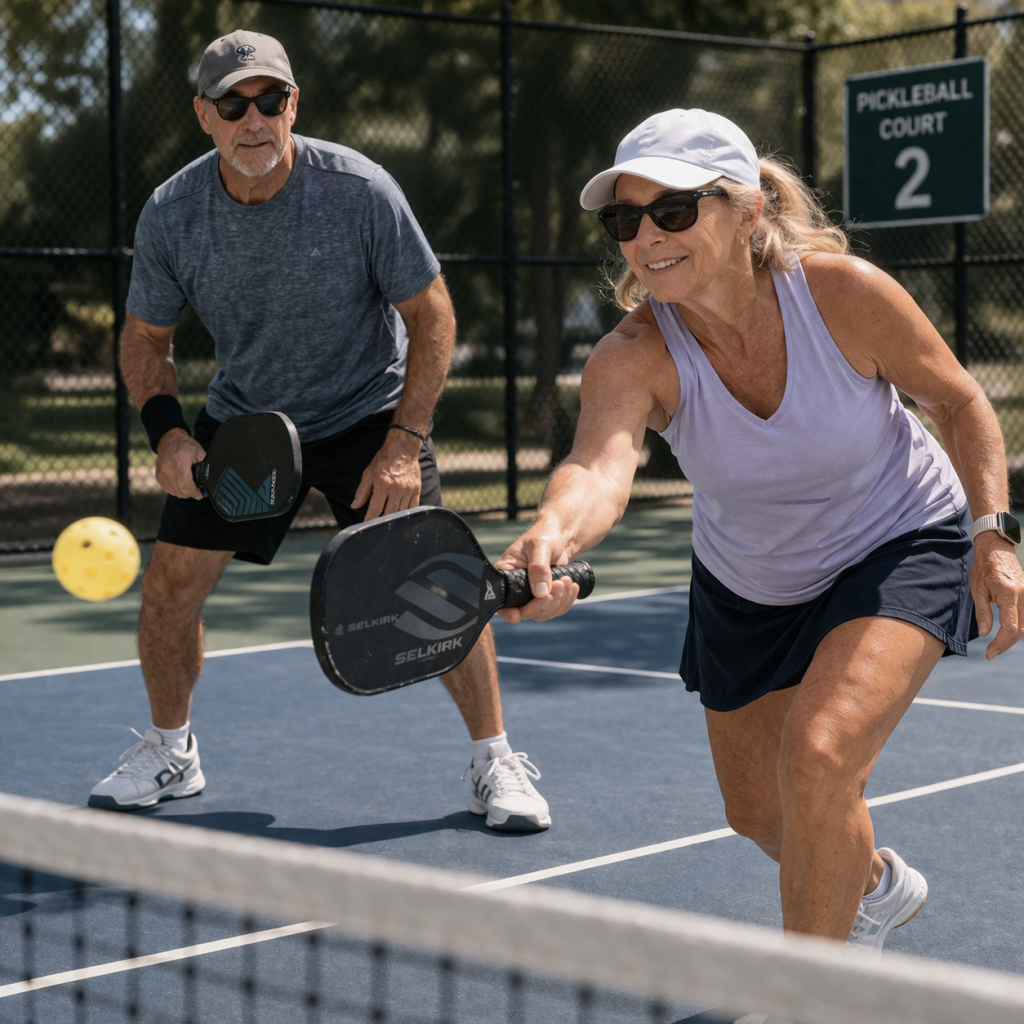
Estimated participants:
~7,500,000
Pickleball’s rise isn’t really a story about pickleball. It’s a story about tennis quietly failing to hold its aging players.
Combine that with a happy accident of geometry: a court small enough for four 70-year-olds to cover comfortably without anyone sprinting. The slow ball, underhand serve, and short doubles court roughly halve the cardiovascular demand of tennis while keeping most of the strategy.
Just as important is the social design. Open play with rotating partners means a retiree can show up alone and leave with new friends — which is harder than it sounds at 70 in an unfamiliar town.
Tier 1: The Massive Scale Activities (Over 10 Million)
These two activities dwarf everything else on the list. They share one quiet advantage: almost nothing stands between you and doing them.
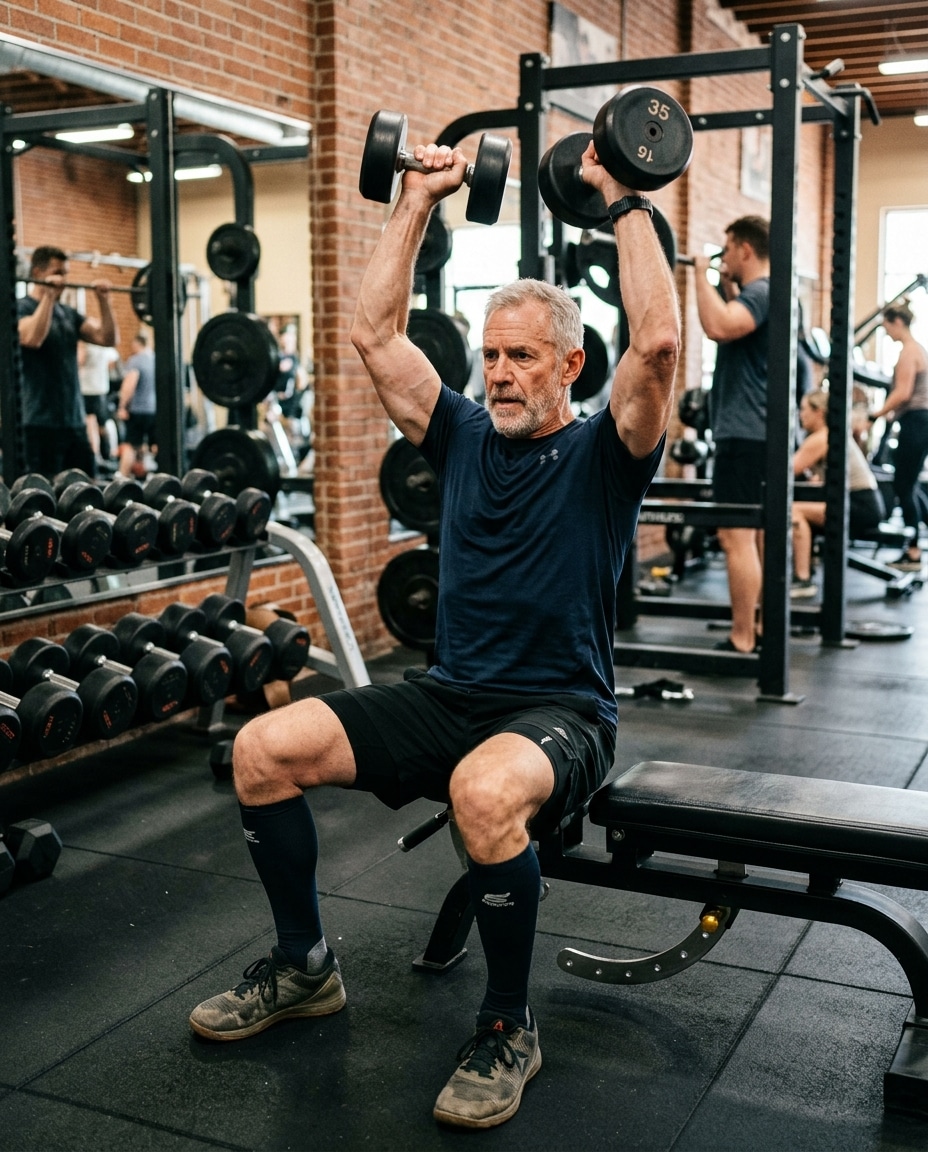
2. Weight Training / Light Free Weights
Estimated participants:
~11,000,000
Eleven million retirees lifting weights regularly may be the most consequential shift in older-adult health behavior of the past twenty years.
Until about 2010, strength training was widely considered inappropriate or even risky for seniors. The medical consensus has now reversed almost completely.
Sarcopenia — age-related muscle loss — is increasingly understood as the quiet engine behind the cascade that ends in assisted living. Resistance training is the only intervention proven to reverse it.
Most retirees train sensibly with machines or light dumbbells, which is exactly right. The absolute weight matters far less than showing up.
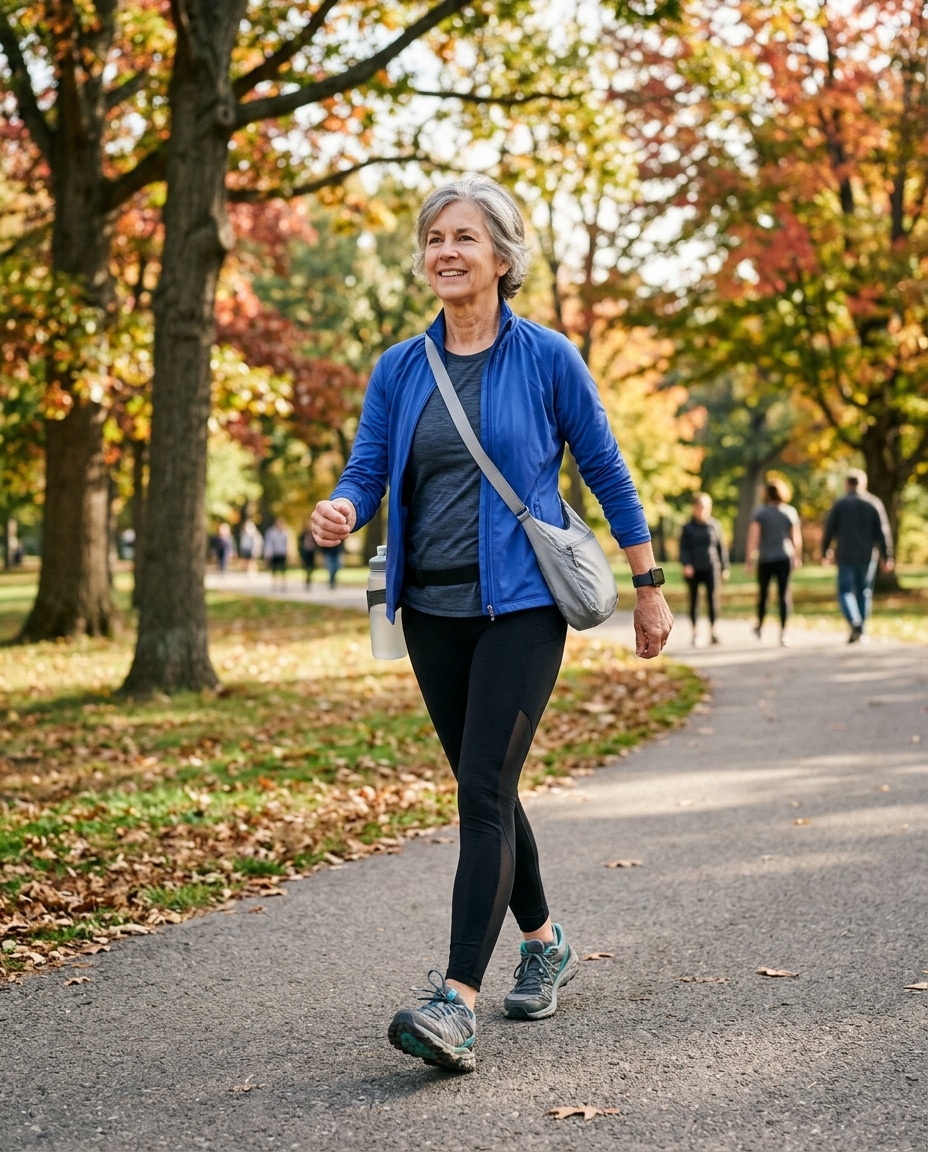
1. Fitness Walking
Estimated participants:
~24,000,000+
Roughly 40% of American retirees walk for exercise multiple times a week — a participation rate nothing else on this list comes close to matching.
Walking isn’t the most efficient exercise. By most cardiovascular or strength measures, it isn’t even close. But it has the lowest dropout rate of any activity ever studied.
Almost everything else needs equipment, scheduling, travel, or skill, and each of those quietly sheds participants over the years. Walking sheds none of them.
A modest workout done consistently for two decades beats a brilliant one abandoned after six months, every time.
What the Numbers Reveal
A few patterns are worth pulling out of this list.
The most striking is the gap at the top — walking outranks every other activity combined, by a wide margin. Senior fitness at the population level is built on activities that fit invisibly into ordinary life, not on the structured programs that medical guidelines tend to emphasize.
Any intervention aimed at this demographic probably has to work with that grain rather than against it.
The second is the genuine reshuffling among the heavy hitters. Pickleball’s overtaking of golf is not a minor adjustment — it’s a structural shift in how aging Americans get their social and physical activity, and the consequences for golf course economics, racket sport infrastructure, and active-adult community planning are still working themselves out.
The third is the surprising persistence of small but serious niche communities — fencing, curling, padel, veteran rowing — which suggests that the picture of retirement as a narrowing of options is partly wrong. For people willing to seek them out, the available sports keep expanding rather than contracting with age.
What the list as a whole reveals is a population making rational choices about a problem most generations never faced in such large numbers: how to stay physically and socially active for twenty or thirty years after work ends.
The activities at the top of this ranking succeed because they make that problem easier — not because they’re particularly virtuous in any other sense.