
Retirement makes a lot of people suddenly feel rich.
After decades of working, saving, and delaying gratification, retirees finally start telling themselves: “I deserve this.”
Unfortunately, some retirement purchases end up becoming financial traps, emotional burdens, or expensive symbols of a fantasy life that never really happens.
Here are some of the worst retirement purchases people later deeply regretted.
21. Boat

A boat sounds like the perfect retirement reward.
Peaceful mornings on the lake. Fishing trips. Sunset cruises with family. But many retirees quickly discover that boats are expensive even when they are doing absolutely nothing.
Storage fees, marina fees, insurance, fuel, repairs, cleaning, and maintenance keep draining money year after year. And a shocking number of boats barely leave the dock more than a few weekends each summer.
Some retirees eventually realize they did not buy freedom. They bought a floating obligation.
Ask yourself before purchasing:
If I only realistically used this six times a year, would the ongoing costs still feel worth it?
20. Resort Living

Retirement resort communities know exactly how to sell the dream.
The pools sparkle. Everybody looks relaxed. There are endless social events, golf carts, happy hours, and smiling retirees playing pickleball in perfect weather.
Then real life starts creeping in.
Monthly fees rise. Social spending grows. Restaurants, activities, clubs, and “community events” slowly become expected parts of daily life. Some retirees also realize they moved far away from family just to live beside people they barely know.
The lifestyle can start feeling less like freedom and more like an expensive performance of retirement.
Ask yourself before purchasing:
What happens if my income shrinks or my health changes — would I still want to be trapped in this lifestyle?
19. Recreational Vehicle

A recreational vehicle promises adventure, freedom, and endless exploration.
And for some retirees, it absolutely delivers.
But others discover that retirement road travel is far less glamorous than imagined. Fuel costs become brutal. Campgrounds are expensive. Repairs never seem to stop. Long driving days become exhausting. And maneuvering giant vehicles through storms or mountain roads stops feeling exciting pretty quickly.
Many recreational vehicles eventually sit parked in driveways like giant monuments to optimism.
Ask yourself before purchasing:
Am I buying freedom, or am I buying an expensive escape fantasy I may eventually outgrow?
18. Country Club Membership

Some retirees join country clubs because they think it represents success.
And for a while, it often feels that way.
But the costs pile up fast. Monthly dues, restaurant minimums, tournaments, guest fees, golf expenses, and constant social pressure can quietly turn a “luxury lifestyle” into an expensive obligation.
Some retirees eventually realize they are paying thousands every year mainly to maintain appearances and sit around people they do not even particularly like.
Ask yourself before purchasing:
Would I still enjoy this place if I stopped caring about status and appearances?
17. Oversized Dream House

This mistake quietly crushes a lot of retirements.
Retirees buy massive “forever homes” imagining holiday gatherings, grandchildren constantly visiting, and endless family memories.
Then reality arrives.
The grandkids stay busy. The children visit less than expected. Entire rooms sit empty for months. Meanwhile, retirees are stuck paying for heating, repairs, furnishing, insurance, landscaping, cleaning, and maintenance on houses far larger than they actually need.
Some retirees end up financially stressed inside homes built for visitors who rarely come.
Ask yourself before purchasing:
Am I building a home for my actual future, or for a fantasy version of retirement?
16. Giving to Adult Children

This one usually comes from love.
Parents help with down payments, weddings, debt, businesses, divorces, emergencies, or grandchildren because they want to protect their children from struggle.
But retirement money is different from working-age money. Once it leaves, there is often no realistic way to replace it.
Some retirees slowly realize they sacrificed their own future stability trying to rescue fully grown adults from problems they never learned to solve themselves.
And the uncomfortable truth is that some adult children quietly begin expecting the help to continue.
Ask yourself before purchasing:
If I give this money away now, what happens if I need care later and cannot get it back?
15. Time-Share

Time-shares have trapped retirees for decades.
The presentations are polished and seductive. Luxury vacations. Ownership. Flexibility. “Investment opportunities.” All wrapped in free drinks and high-pressure sales tactics.
But many retirees later discover yearly maintenance fees, booking frustrations, blackout dates, and contracts that feel nearly impossible to escape.
Some spend years desperately trying to unload time-shares nobody else wants either.
Ask yourself before purchasing:
Before signing anything, do I fully understand exactly how I would get out of this if I regretted it five years from now?
14. Fancy Cars
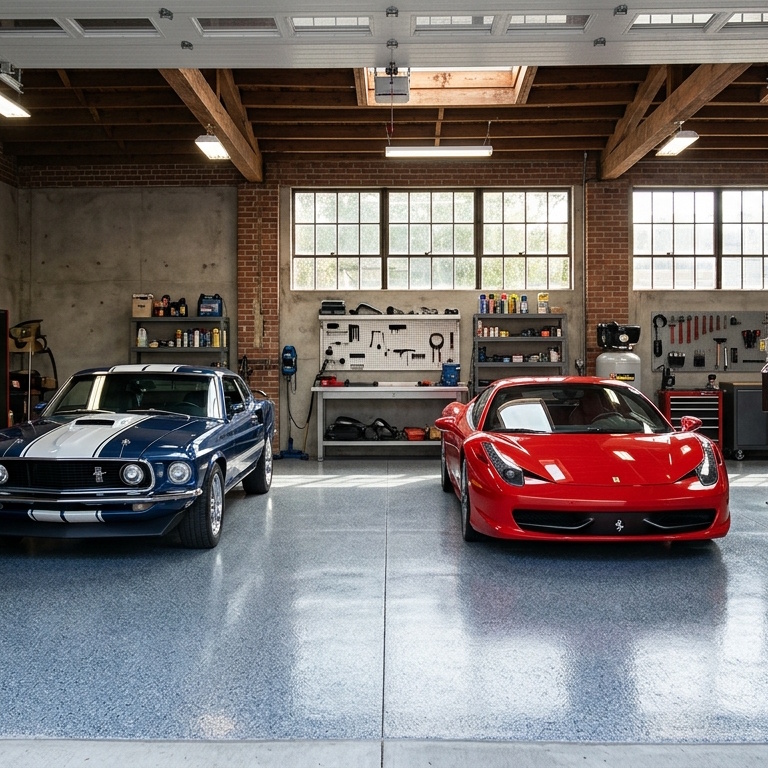
Retirement suddenly convinces some people they need the luxury car they always dreamed about.
And for a few months, it feels incredible.
Then reality shows up. Insurance costs. Depreciation. Repairs. Expensive servicing. Giant monthly payments for a vehicle mostly used to drive to Costco and medical appointments.
The excitement fades shockingly fast once the car simply becomes another object sitting in the garage.
Some retirees eventually realize they bought a symbol of success rather than actual happiness.
Ask yourself before purchasing:
Will this still feel exciting once it becomes just another object I own?
13. Pricey Musical Instruments

Retirement creates dangerous optimism.
People suddenly believe they are finally going to become jazz pianists, blues guitarists, or home recording legends. So they buy expensive guitars, baby grand pianos, recording equipment, or drum kits before they have even developed the habit itself.
There is nothing wrong with hobbies. But many retirees buy the identity first and hope motivation magically follows later.
A lot of beautiful instruments eventually become very expensive decorations collecting dust in spare rooms.
Ask yourself before purchasing:
Have I actually built the habit already, or am I hoping an expensive purchase will create motivation for me?
12. Motorcycles

Motorcycles often represent freedom, adventure, and reclaiming youth.
And honestly, some retirees absolutely love riding.
But aging changes the risk calculation dramatically. Reaction times slow. Injuries heal slower. One accident can permanently affect mobility, independence, or quality of life later in retirement.
For some retirees, the motorcycle becomes less about enjoying riding and more about trying to prove they are still young.
Ask yourself before purchasing:
Am I accepting the physical risks honestly, or assuming I still have the body I had at forty?
11. Hot Tubs

Hot tubs seem like the ultimate retirement luxury.
People imagine themselves soaking peacefully every evening under the stars with a glass of wine nearby.
What usually happens is they use it constantly for about three weeks.
Then less often. Then barely ever.
Meanwhile the cleaning, electricity bills, chemicals, repairs, and maintenance continue forever. Some hot tubs eventually become giant covered mosquito breeding facilities sitting unused in the backyard.
Ask yourself before purchasing:
Will I still maintain and use this once the excitement disappears and it starts feeling like work?
10. Retirement Watch or Jewelry as “Retirement Rewards”

A lot of retirees celebrate retirement with expensive watches or jewelry because it symbolizes achievement after decades of work.
Emotionally, that makes perfect sense.
But retirement changes how money feels psychologically. Large luxury purchases can start feeling strangely uncomfortable once the paychecks stop and financial uncertainty becomes more real.
Some retirees later look at the expensive object and realize what they truly wanted was peace of mind, not another possession.
Ask yourself before purchasing:
Will this give me lasting fulfillment, or just a short burst of emotional validation?
9. Collectibles and Antiques

Many retirees convince themselves collectibles are investments.
Sometimes they are.
But many collections are really emotional purchases disguised as financial ones. Coins, figurines, sports memorabilia, antique furniture, comic books, vintage signs, and collectibles can quietly absorb huge amounts of money over time.
Then comes the painful moment when retirees discover the resale market is nowhere near as strong as they imagined.
And often, their children do not even want the collection.
Ask yourself before purchasing:
If I needed to sell this quickly, would the market actually value it the way I do emotionally?
8. Designer Furniture

Some retirees furnish retirement homes like luxury hotel suites.
Designer couches, imported dining tables, expensive décor, and pristine furniture can make a home look beautiful. But some people become so protective of the furniture that their own home stops feeling comfortable.
Grandkids become stressful. Pets become stressful. Drinks require coasters monitored like security checkpoints.
Some retirees eventually realize they spent enormous amounts creating homes nobody can fully relax in.
Ask yourself before purchasing:
Am I building a comfortable home, or a showroom designed to impress people for fifteen minutes?
7. Exotic Pets

Exotic pets sound exciting during retirement because retirees finally have extra time.
Parrots, reptiles, mini pigs, exotic birds, or rare dog breeds can seem like fun retirement companions. But exotic animals often come with huge long-term responsibilities, expensive veterinary bills, specialized care needs, and major lifestyle restrictions.
Some retirees underestimate how much freedom they lose once the animal depends entirely on them.
And certain exotic pets may even outlive the owner.
Ask yourself before purchasing:
What happens to this animal if my health, mobility, or living situation changes later?
6. Luxury Cruises Booked Back-to-Back

Cruises can be wonderful experiences.
But some retirees quietly become addicted to the lifestyle because life onboard feels easier, more exciting, and less lonely than ordinary life at home.
Unlimited food. Entertainment. Warm weather. Constant distraction.
Before long, retirees can end up spending shocking amounts bouncing from one cruise to the next while avoiding deeper dissatisfaction waiting for them back home.
For some people, constant travel becomes emotional escape disguised as leisure.
Ask yourself before purchasing:
Am I enriching my life, or using constant travel to distract myself from unhappiness at home?
5. Solar Panel Systems With Terrible Payback Periods

Solar panels can absolutely make sense financially.
But some retirees get aggressively sold oversized systems with terrible financial math attached to them. Salespeople often focus heavily on emotional promises while glossing over financing costs, roof issues, maintenance, or payback periods stretching fifteen to twenty years.
For older retirees especially, some systems simply do not make practical financial sense.
A surprising number of people later realize they bought a sales pitch disguised as an investment.
Ask yourself before purchasing:
Will I realistically live in this house long enough to truly benefit financially from this system?
4. Condos With HOA Fees

Condos sound perfect for retirement.
No lawn care. Shared amenities. Simpler living. Less maintenance.
Then the HOA fees start climbing.
Then the assessments arrive.
Then come the endless rules, restrictions, and surprise building costs.
Some retirees eventually realize they escaped maintaining a house only to start financially supporting an entire building full of strangers and their problems.
Ask yourself before purchasing:
Could I comfortably absorb years of rising fees and surprise assessments without feeling financially trapped?
3. Giving Money to Charity Too Soon

Generosity is admirable.
But some retirees donate huge amounts shortly after retirement before fully understanding how expensive aging can become. Healthcare costs rise. Inflation chips away at savings. Long-term care can become brutally expensive later in life.
A retiree who feels financially secure at sixty-five may feel deeply vulnerable at eighty.
Some retirees eventually discover they gave away money they later desperately needed for their own dignity and independence.
Ask yourself before purchasing:
Have I fully protected my own future care and independence before giving large amounts away?
2. Ski Resort Season Pass

A ski resort pass often represents a fantasy version of retirement.
People imagine themselves becoming energetic mountain retirees spending every winter skiing beautiful slopes before relaxing beside fireplaces afterward.
Then January arrives.
The roads are icy. Lift lines are crowded. Their knees hurt. Everything is expensive. And cold weather becomes a lot less charming with age.
Some retirees eventually realize they paid for an identity they liked imagining more than actually living.
Ask yourself before purchasing:
Am I excited about skiing itself, or about the image I have of the lifestyle?
1. Dining Out Too Often

This is probably the sneakiest retirement budget killer of all because it never feels irresponsible in the moment.
A breakfast here. Lunch with friends there. Casual dinners. Coffee outings. Little treats.
But restaurants slowly become entertainment, routine, boredom relief, and social connection all at once. Before long, retirees can spend shocking amounts every month without fully realizing it.
And unlike a boat or luxury car, there is never one dramatic moment where the spending feels excessive.
Some retirees do not damage their retirement with one catastrophic mistake. They slowly bleed money through hundreds of pleasant little habits.
Ask yourself before purchasing:
If I tracked every restaurant meal for a full year, would the total honestly shock me?

I’m Chris and I run this website – a resource about symbolism, metaphors, idioms, and a whole lot more! Thanks for dropping by.