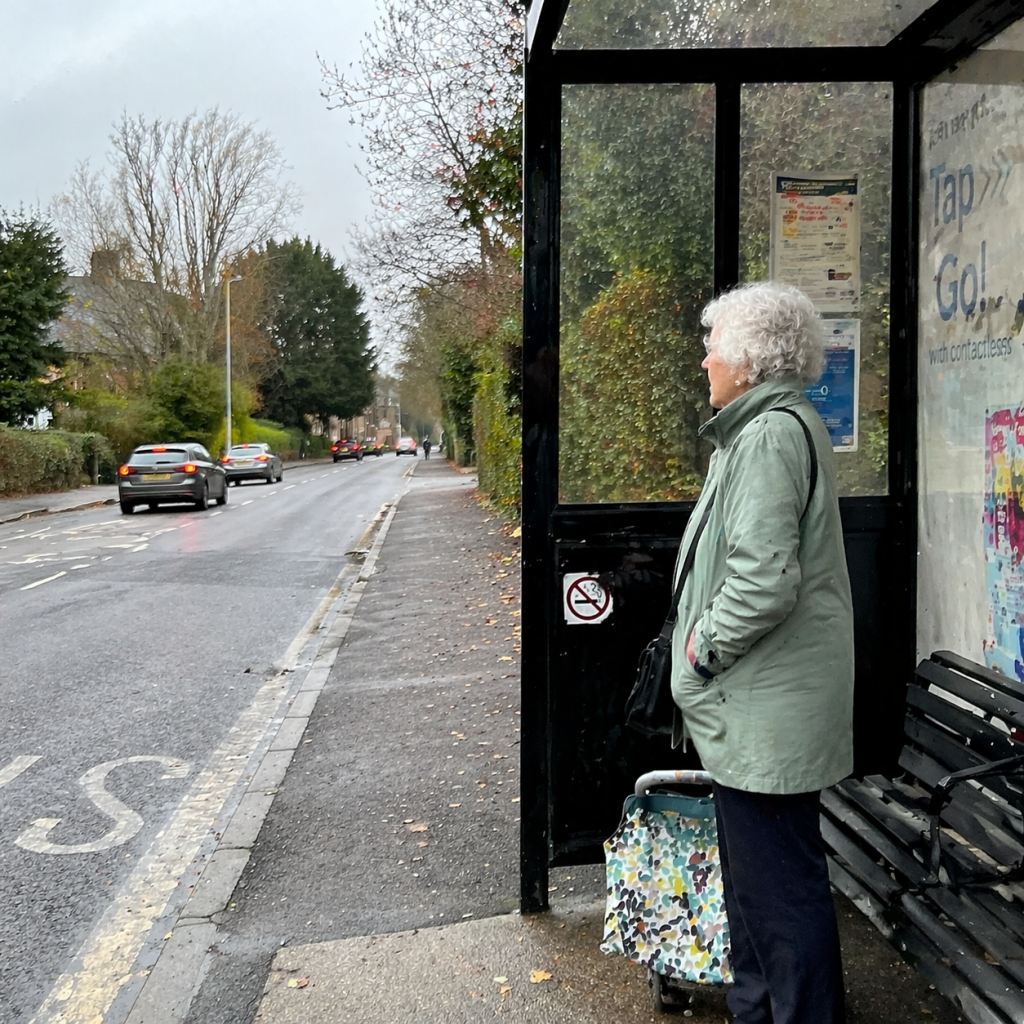
I grew up poor. I remember my parents skipping meals and just … watching us eat.
We lived hand-to-mouth.
And that shaped me – I still have certain … poor-man behaviors … that I still carry on as an adult.
Turns out, I’m not the only one.
I instigated a reddit discussion about this recently, and it went a little viral.
Readers openly shared deeply personal habits, like one who admitted, “I still get anxious when I spend money on literally anything.”
Let’s explore 35 things that were raised in the discussion – how many resonate with you?
35. You Default to the Cheapest Option on the Menu
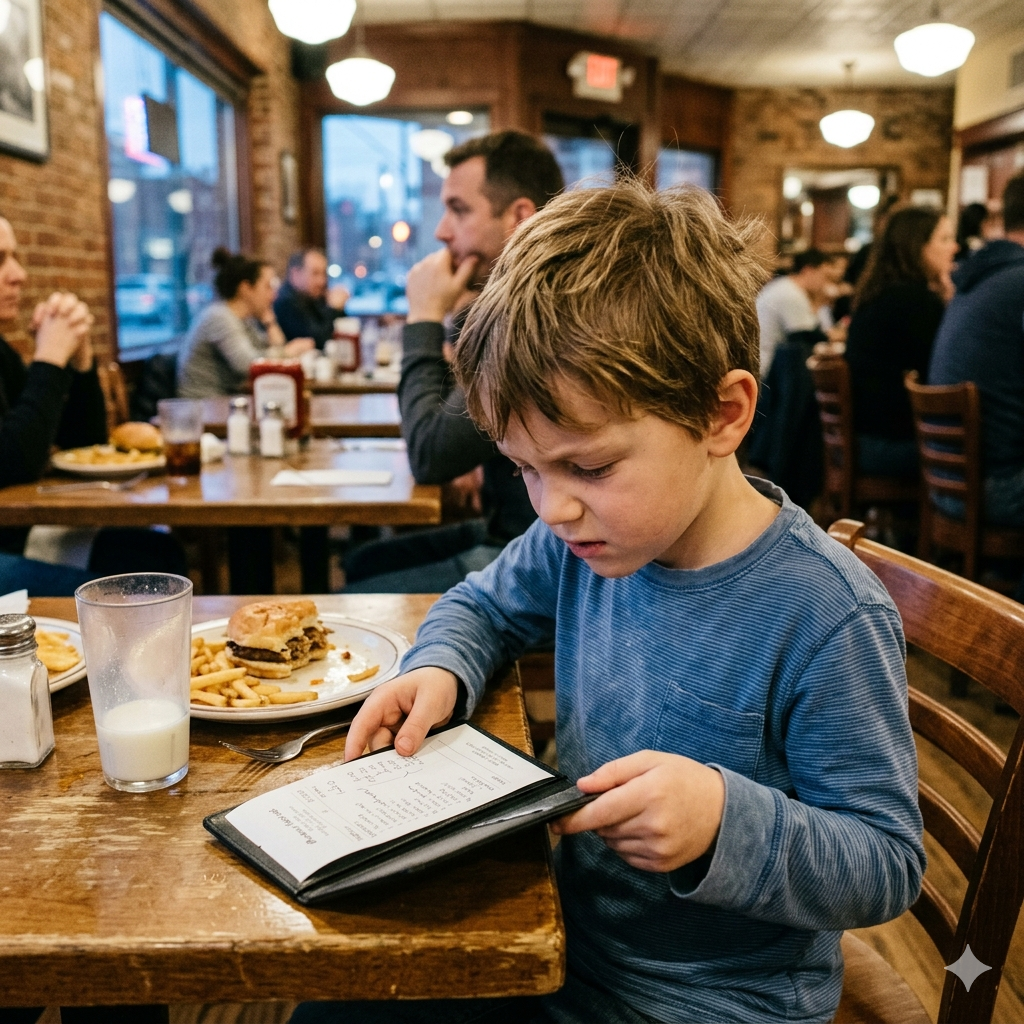
Walking into a place with a menu still feels like a test, doesn’t it?
Even when your wallet feels bigger, you might find yourself scanning for the absolute cheapest item without a second thought, maybe saying, “It’s ok the soup is really enough for me.”
It’s not just about saving a buck; there’s a deep-seated feeling that choosing anything more expensive would be a needless extravagance.
This automatic choice comes from years of needing to make every dollar count, a reflex that stays with you long after the immediate need has passed.
34. You Feel Weird Being “Served”

Some of us still feel a jolt of weirdness when someone serves us. This can happen even for simple things like a server refilling your drink.
You learned to do everything for yourself growing up. Having someone else do something for you can feel unnecessary, almost like you’re being lazy.
33. You Respect Workers – A Lot.

Seeing the person scrubbing floors after closing matters more than the fancy table settings for some of us.
That often means your mind goes straight to the hard work and raw materials involved in what you’re buying or receiving.
It’s hard to ignore the effort when you know how much every dollar, and every hour of labor, truly means.
32. You Missed Out on Cultural Exposure Growing Up
For many of us, realizing later what childhood could have held is a real punch to the gut.
Folks on Reddit put it perfectly, pointing out how common it was to miss “concerts, traveling, [and] extracurricular activities.” This wasn’t just about having fun; it meant we often lacked experiences others took for granted.
These gaps don’t disappear just because you earn more money now – you’re still catching up.
Even as adults, many of us might still feel like we are playing catch-up on culture and basic life lessons that seem easy to others.
31. You Feel Out of Place in “Normal” Experiences

It’s a strange feeling when everyone around you talks about something “normal” you’ve never done.
You recognize the kind of awkward silence that follows comments like: “What do you mean you’ve never been there, it’s only an hour away!”
For many of us, those common childhood trips simply weren’t an option. This creates a lingering sense of being an outsider, even in casual conversations as an adult.
30. You Feel Uncomfortable When Others Spend Freely

A common situation is feeling a knot in your gut when you see someone spending a lot of money without a care. That reflex kicks in even if you’re not the one paying, just like someone noted online: “Didn’t want to order anything more expensive because it wasn’t my money.”
This isn’t about judging their choices; it’s an automatic reaction from a lifetime of scarcity. Our brain is wired to conserve resources, and watching them freely flow against those old rules feels fundamentally wrong.
29. You’re Hyper-Aware of Money in Social Situations

Every social invitation carries its own unspoken budget for people like us, doesn’t it?
It’s why someone on Reddit perfectly described ‘turning down most social occasions… [due to] guilt of not being able to afford a round’.
This isn’t about being cheap. It’s a deep-seated fear of being a burden or looking like you can’t keep up.
Your mind constantly calculates costs and social expectations, making even casual hangouts feel like a financial math problem.
28. You Focus on Whether People Have Enough, Not Whether It’s Good
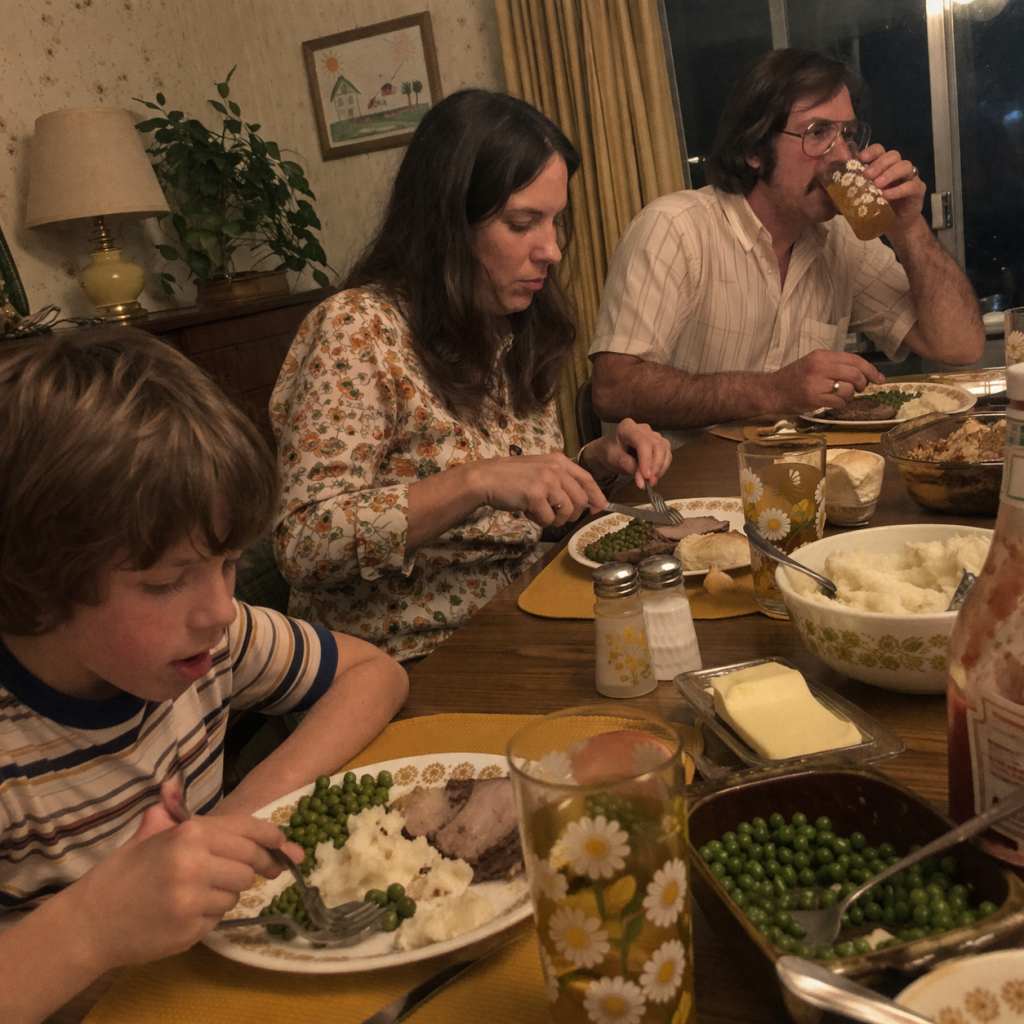
Have you ever found yourself thinking more about how much food is left than how delicious it was? This automatic focus on quantity over quality is a clear sign you learned to prioritize filling bellies above all else.
It’s like the person who asked, “Is anyone still hungry? I can make something else!”, focusing entirely on securing everyone’s needs. This reflex ensures no one leaves the table feeling empty, a habit born from years when “enough” was the highest form of good.
27. You Still Think of Food as Security, Not Enjoyment
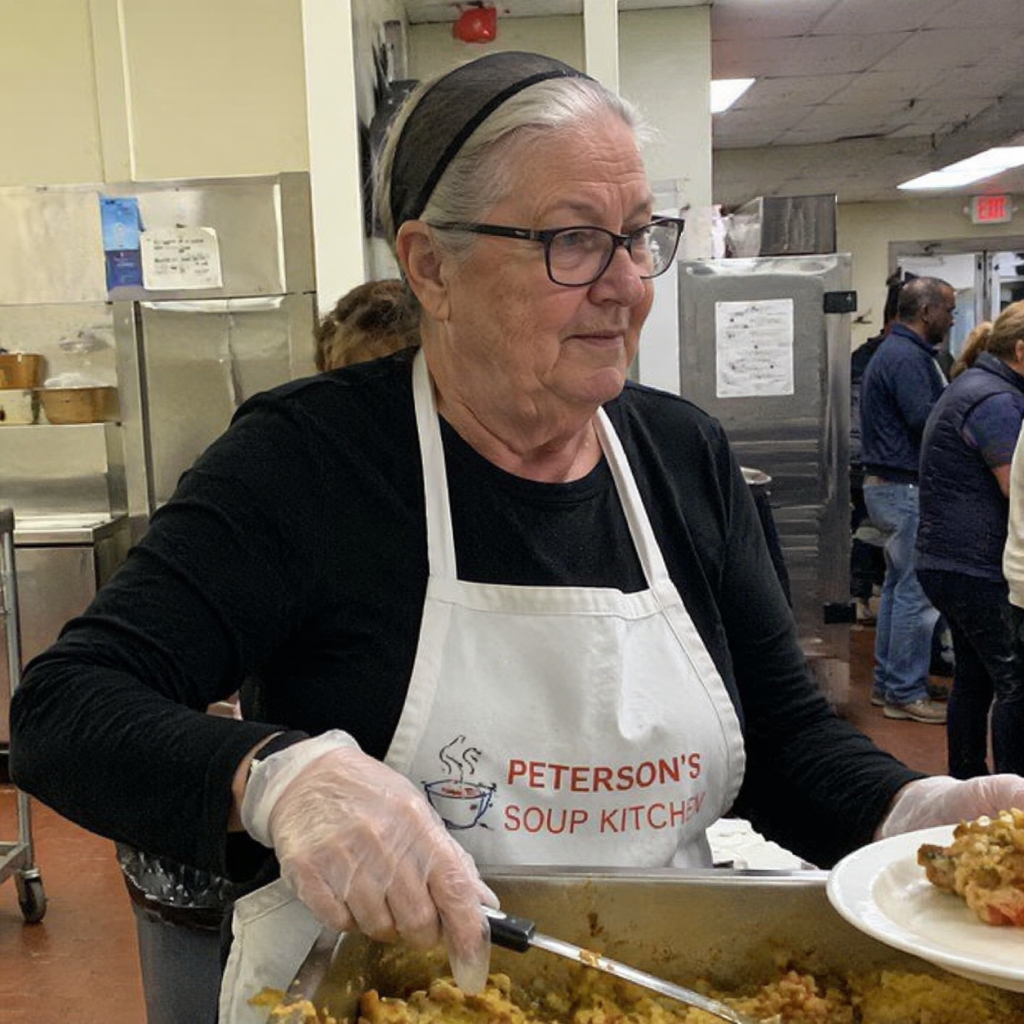
Sitting down for a meal often means you’re still weighing calories per dollar, not how fancy it looks.
As one person wisely put it, “Food is very much quantity over quality” when you grew up with little.
This focus isn’t just about saving money anymore; it’s a deep need to feel secure. Your brain remembers a time when food meant survival, so eating is still more about safety than enjoyment.
26. You Grew Up on “Free” Entertainment and Still Reference It
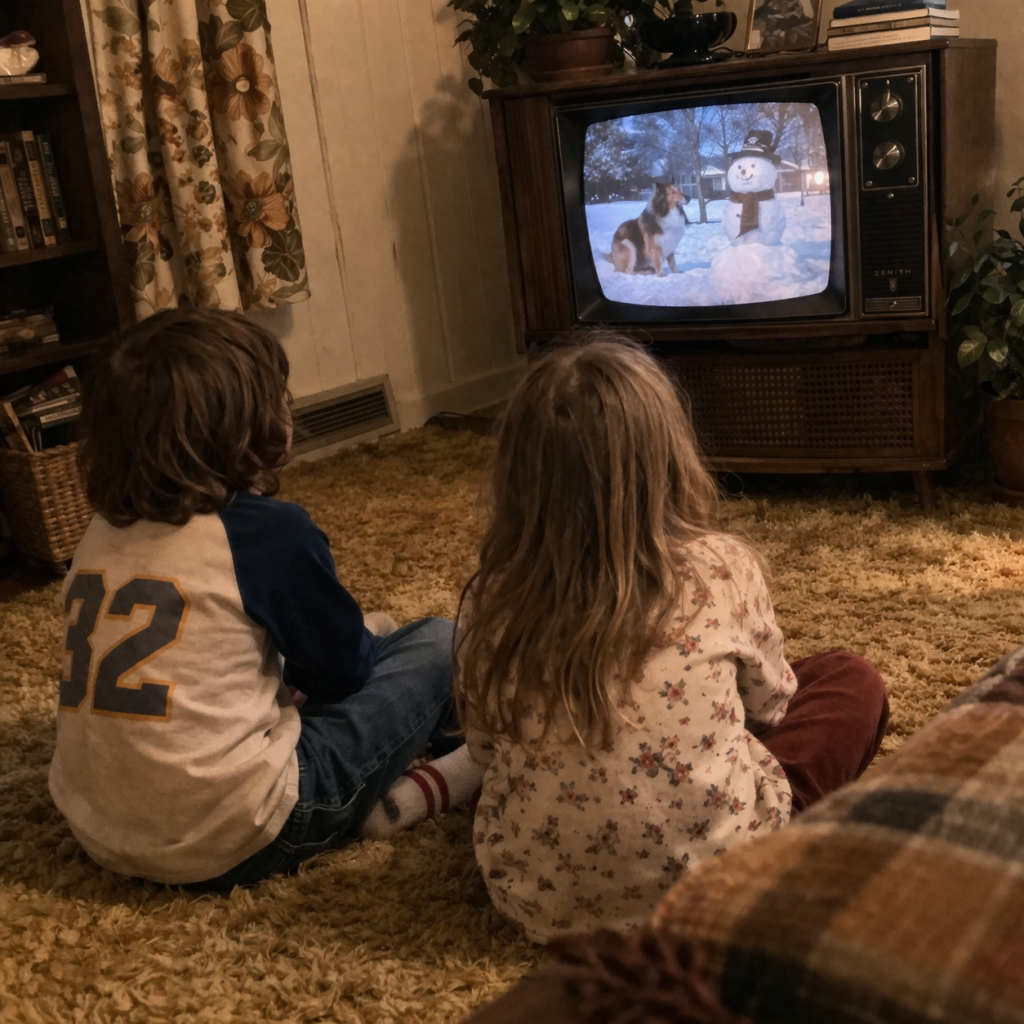
You remember those days before streaming, when finding something good to watch was a real challenge?
Many of us learned to get by on “2 channels on rabbit ears… [and] PBS shows,” as one person on Reddit recalled.
This experience shaped our humor and our pop culture knowledge. We still bring up those old, quirky shows or local sports events because they were *our* entertainment, the shared experience that cost nothing.
25. You Notice Status Markers Others Don’t Think About

A strange thing happens when you’ve always had to pay attention to every penny. You start to notice hidden signs of wealth that other people completely miss.
This is why a Reddit user once wrote, “Teeth are a status symbol… you have to be able to pay for it.” Good dental care isn’t cheap, meaning a perfect smile shows someone always had money for proper healthcare.
24. You Feel Like Money Can Disappear at Any Moment

That nervous energy about money never truly leaves you, does it? A Reddit user described this feeling perfectly as ‘the bone deep certainty that money will just… go away’.
This isn’t just a random worry that pops up; it’s a direct memory of past hard times. Your brain learned that financial safety could be taken away quickly, so it always expects it.
23. You Carry Constant Background Financial Anxiety

You know that quiet hum of worry, even when your bank account looks okay? That’s the constant background financial anxiety many of us carry, perfectly captured by one Reddit user who admitted, “I still get anxious when I spend money on literally anything.”
Even with a steady paycheck, the worry remains a quiet hum in the background, making it hard to relax about spending. Your past taught your brain to prepare for sudden financial shocks, so every purchase still feels like a potential risk.
22. You Either Hoard Money or Spend It Instantly

There’s a strange energy that comes with finally having money after not having it. You see people on Reddit, like one who perfectly put it, saying they ‘spend money as soon as I get it because I’m afraid it’ll go away.’
Then you have the other side, those who grip their savings incredibly tight, even today. This isn’t about being greedy; instead, it’s a deep instinct to build a safety net you never had.
21. You Delay Buying Things You Actually Need
Holding off on buying something you clearly need feels almost normal to some of us. One Reddit user captured this perfectly: ‘It’s been about 6 months… have I ordered them? Nope.’
This habit isn’t always about a lack of cash anymore; instead, it’s a deep-seated mental block from earlier tough times. You learn to go without, and that mindset stubbornly stays, making you question even necessary purchases.
20. You Feel Guilty Buying Anything for Yourself

How often have you caught yourself battling an internal argument before making a personal purchase? It’s that feeling perfectly summed up by a Reddit user who spoke of “the mental struggle to buy anything and not feel guilty.”
That guilt isn’t about the price tag as much as it is about the old habit of putting everyone else’s needs first. You learned to view your own desires as luxuries, making even a small personal treat feel like a selfish act you shouldn’t indulge in.
19. You Ask Permission to Spend Your Own Money

You ever catch yourself about to buy something small, then pause, almost asking for approval out loud? Someone on Reddit highlighted this perfectly when their partner heard them ask, “Did you just ask permission to buy a $2.50 game?”
This reflex comes from years of needing to justify every dollar spent for the whole family. Even as an adult, that ingrained habit makes you question every small personal purchase.
18. You Overthink Every Purchase
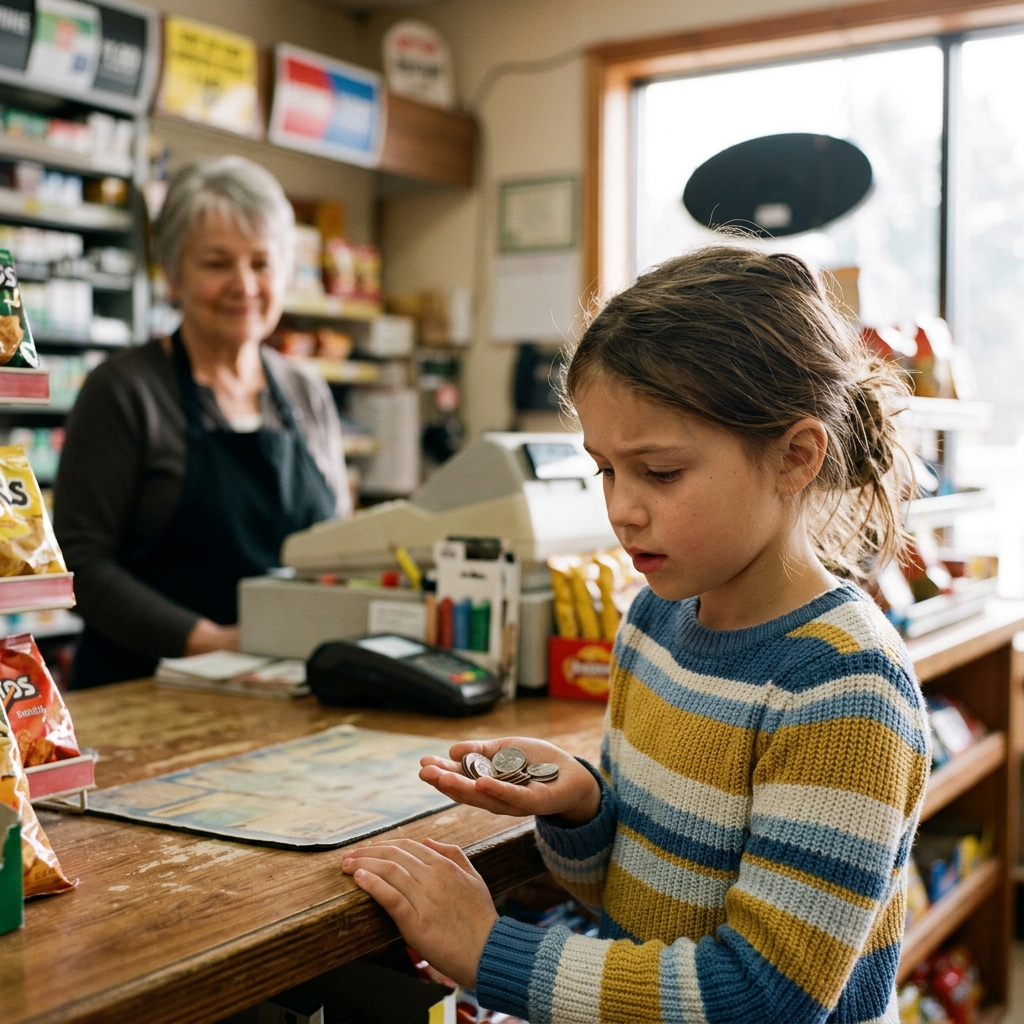
You find yourself deep in research, comparing reviews and prices for something as simple as a new mixing bowl, even when you can clearly afford it. It’s exactly like one Reddit user admitted: they ‘think about something… for three months before I buy it.’
This endless loop of ‘what if’ isn’t just about being smart with money anymore; it’s a deeply rooted habit from a time when every single dollar needed to be stretched. Your brain still acts as if making the wrong purchase could truly mess up your finances for weeks or even months.
17. You Feel Like Paying Full Price Is Wrong

Paying the ticket price without any discount feels like breaking a secret rule. One Reddit user captured it perfectly, saying, ‘It just feels illegal,’ and I completely get what they mean.
This deep feeling comes from years of needing to stretch every single dollar as far as it could go. That habit is now set in your mind, even with more money.
16. You Avoid Replacing Things at All Costs

Sometimes you look around your house and realize how many things are holding on by a thread, just like I do. That’s because, as one Reddit user perfectly put it, we’re ‘never replacing anything unless there’s absolutely no way.’
That habit stems from years of making do with what little you had, stretching every item to its breaking point. For us, throwing something out, even if broken, still feels like a luxury we can’t afford, keeping us tied to old habits.
15. You Wear Things Long Past Their Normal Lifespan

When does a piece of clothing truly stop being useful in your mind? I knew exactly what one Reddit user meant when they talked about wearing an item with a “Massive hole… not completely worn through yet.”
This habit isn’t about being stubborn; it comes from a past where every single thread had to serve a purpose. Your brain holds onto the idea that as long as it still somewhat functions, it’s not truly trash.
14. You Downgrade Items Instead of Throwing Them Out

Throwing things out makes no sense to you. Surely, it has another use!
This means your favorite t-shirt doesn’t go to waste, just because it’s a little torn. As one Reddit user perfectly described: ‘Shirts become pajamas… pajamas become rags’.
This isn’t about being cheap. It’s a deep-seated respect for every resource we have.
We were taught to extract every last bit of use, ensuring nothing was ever truly wasted without a fight.
13. You Struggle to Throw Anything Away
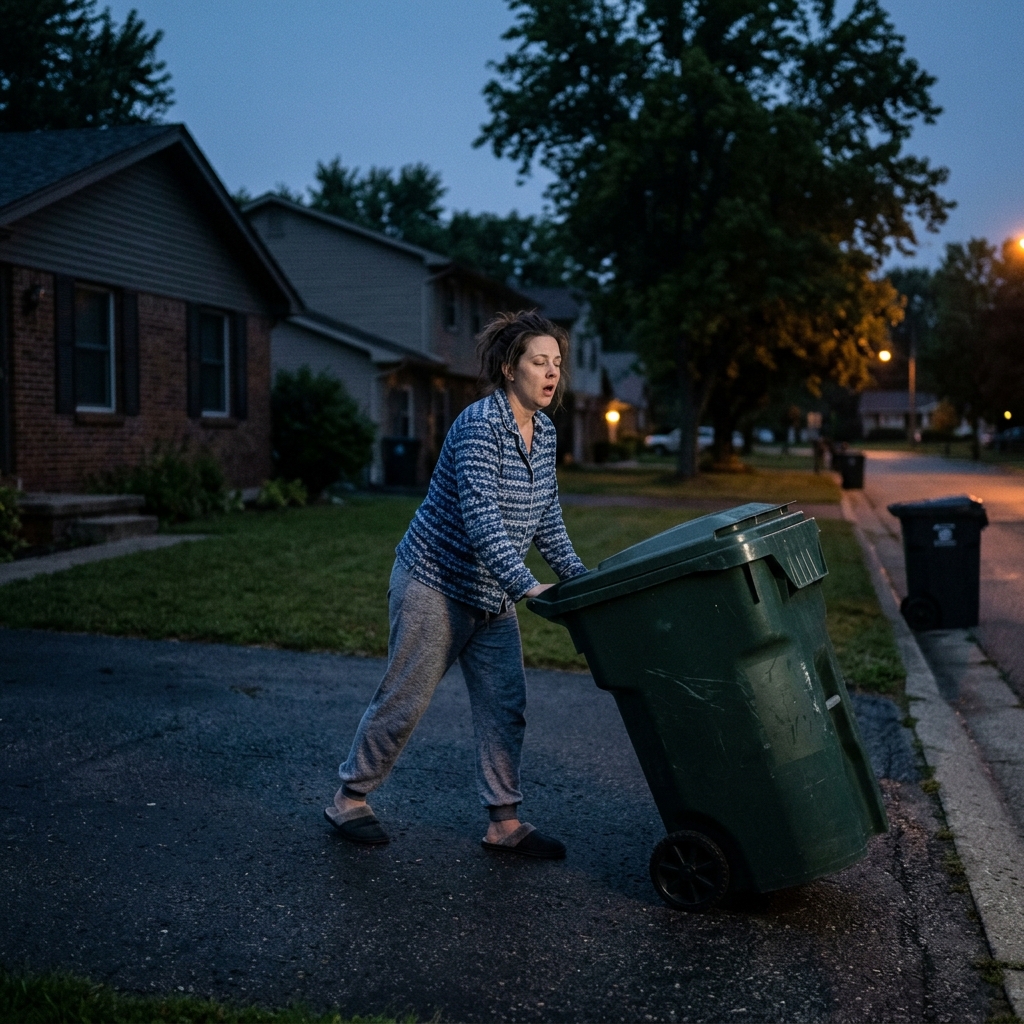
It’s tough to just toss something when you can still see some life in it. That’s why you’ll often hear us thinking, ‘We might be able to reuse this…’ even for things others throw out.
This habit isn’t just about saving money anymore; it’s a deep memory from times when every single item had to be stretched as far as possible.
12. You Assign Value to Random Objects
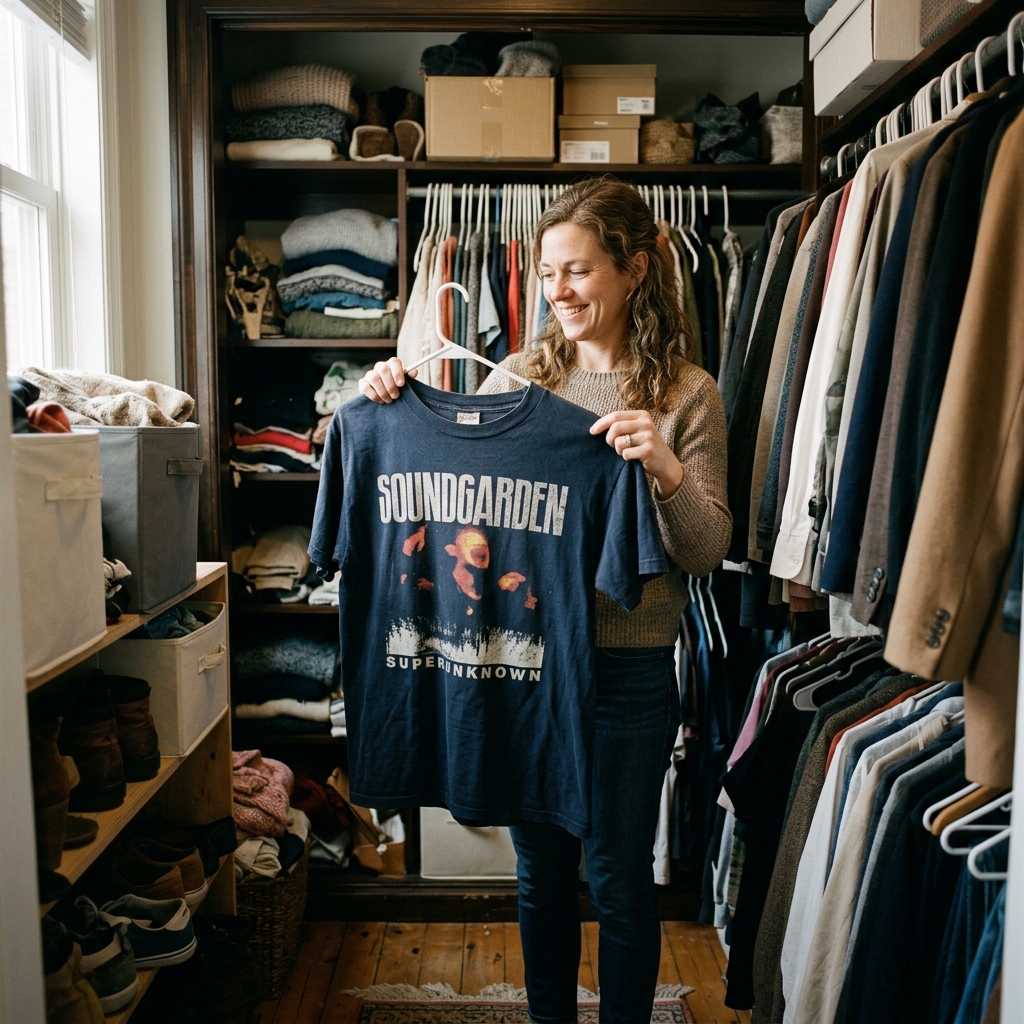
Finding hidden value in things others might throw away is a skill we learned early. That’s why someone on Reddit simply noted, “It’s a good box,” which instantly made perfect sense to many of us.
These aren’t just random items; they represent potential solutions to future problems you can’t always predict. This mindset forces you to see every discarded item not as trash, but as a resource that might one day save you money.
11. You Keep Things for Hypothetical Emergencies

Those spare jars and old phone chargers aren’t just clutter for some of us; they’re potential lifelines. You keep these random items because you vividly remember needing something specific and not having it, leading you to prepare for any future unknown crisis.
This isn’t just about being prepared for minor inconveniences. The deep fear of sudden upheaval fuels habits like the Reddit user who admitted, ‘I’ll have to move again at a moment’s notice.’ Your brain keeps a mental inventory of everything that could help you escape a bad situation or start over quickly if needed.
10. You Hoard Food and Essentials “Just In Case”

Walking into your own kitchen and seeing shelves full of extra supplies just hits different, doesn’t it? It’s why one person joked online, “My basement is stocked for a zombie apocalypse,” a feeling many of us understand deep down.
This urge to over-stock isn’t about being wasteful; instead, it’s a deep fear of ever running out again. Your mind remembers those lean times, making sure you’re always ready, just in case things get tough once more.
9. You Reuse Things Meant to Be Disposable

Many of us still can’t bring ourselves to use an item only once. It’s like the Reddit user who perfectly described “washing Ziploc bags… used over and over again,” and we all got it.
This habit comes from a time when every resource had to be stretched, making single-use items feel like a waste. Even now, throwing something out with *any* life in it just feels wrong.
8. You Save Every Free Extra

We all have that drawer, don’t we, packed with little extras we picked up? One person perfectly described their “condiment drawer… packets from everywhere,” a habit that proves anything free might be useful later.
Even if you can now buy those items easily, letting a useful freebie go to waste still feels wrong. This practice isn’t just about saving a few cents; it’s a deep-seated respect for resources you worked hard to get.
7. You Stretch Products to the Absolute Limit

Most of us know exactly what people mean when they describe clever tricks like adding water to what looks like “empty” soap bottles. We are the ones carefully cutting open “toothpaste tubes” to get every last drop because that’s just what you do.
This isn’t about saving a few pennies; it’s a deep-seated respect for every resource we had to fight for. This mindset ensures you still squeeze every possible bit of life out of things, a habit born from truly knowing what it means to go without.
6. You Obsess Over Utilities and Waste
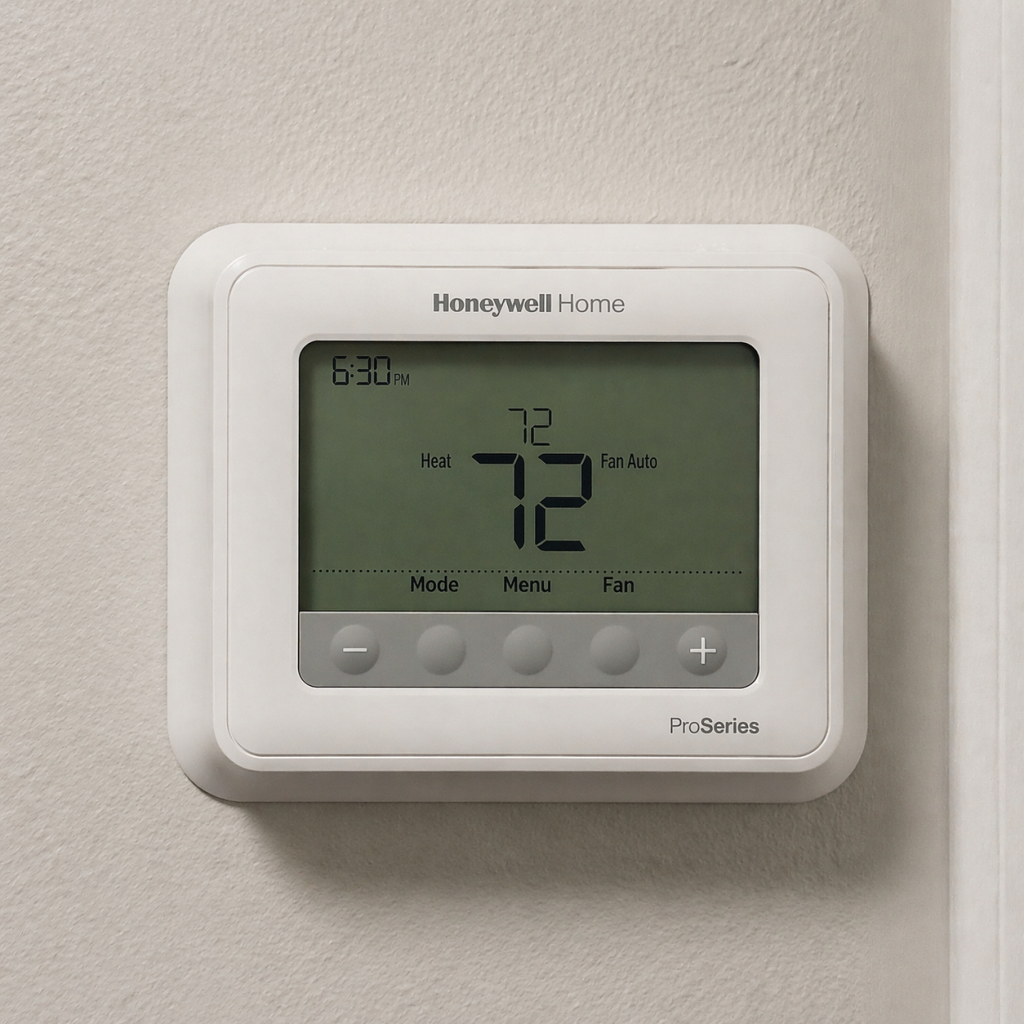
That feeling of panic still hits when you see an unused light blazing, doesn’t it? This comes from a time when every extra watt or drop of water directly impacted whether food was on the table.
This constant monitoring is exactly what one Reddit user called being ‘hypersensitive to any light left on… running water too long.’ You learn to manage these things down to the last drop because going without became second nature.
5. You Feel Uncomfortable Taking More Than You Need

Standing in front of a giant buffet spread can still trigger a strange response for many of us. Even if the food is unlimited, there’s an automatic urge to take very little, just like the person who mentioned “Never pouring more than 1/2 a glass…” because you were taught to never waste.
This isn’t really about being polite; it’s a deep-seated command to conserve every possible resource. Your brain was trained to believe that taking too much might mean someone else gets too little, or that it could lead to scarcity later.
4. You Normalize “Struggle Food” Habits

Some foods just stick with you, not because they’re great, but because they were what you had. One Reddit user perfectly recalled ‘dry ramen… koolaid sugar… cold hotdogs’ as completely normal choices.
These weren’t just weird snacks from childhood; they became normal meals when money was tight. Even today, these ‘struggle foods’ offer a strange comfort, showing you always made things work.
3. You Treat Food Waste Like a Personal Failure

A nearly full plate left on the table can still make some of us feel a sharp pang of actual failure. One Reddit user perfectly summed it up, stating, “Food Waste is a huge pet peeve of mine.”
This isn’t just about good manners, believe me. Instead, it’s a learned response from a past where wasted food meant lost resources you truly couldn’t spare for your family.
2. You Force Yourself to Finish Everything

You likely have a vivid memory of being told to clean your plate, no matter what. One person perfectly summed it up as “Force feeding yourself… so you didn’t waste,” and that feeling sticks with you.
This isn’t just about finishing what’s in front of you; it’s a deep-seated command to never let valuable food go to waste. Even now, throwing out leftovers can feel like a personal failure, triggering that old guilt you learned as a child.
1. You Built Your Identity Around “Never Going Back”
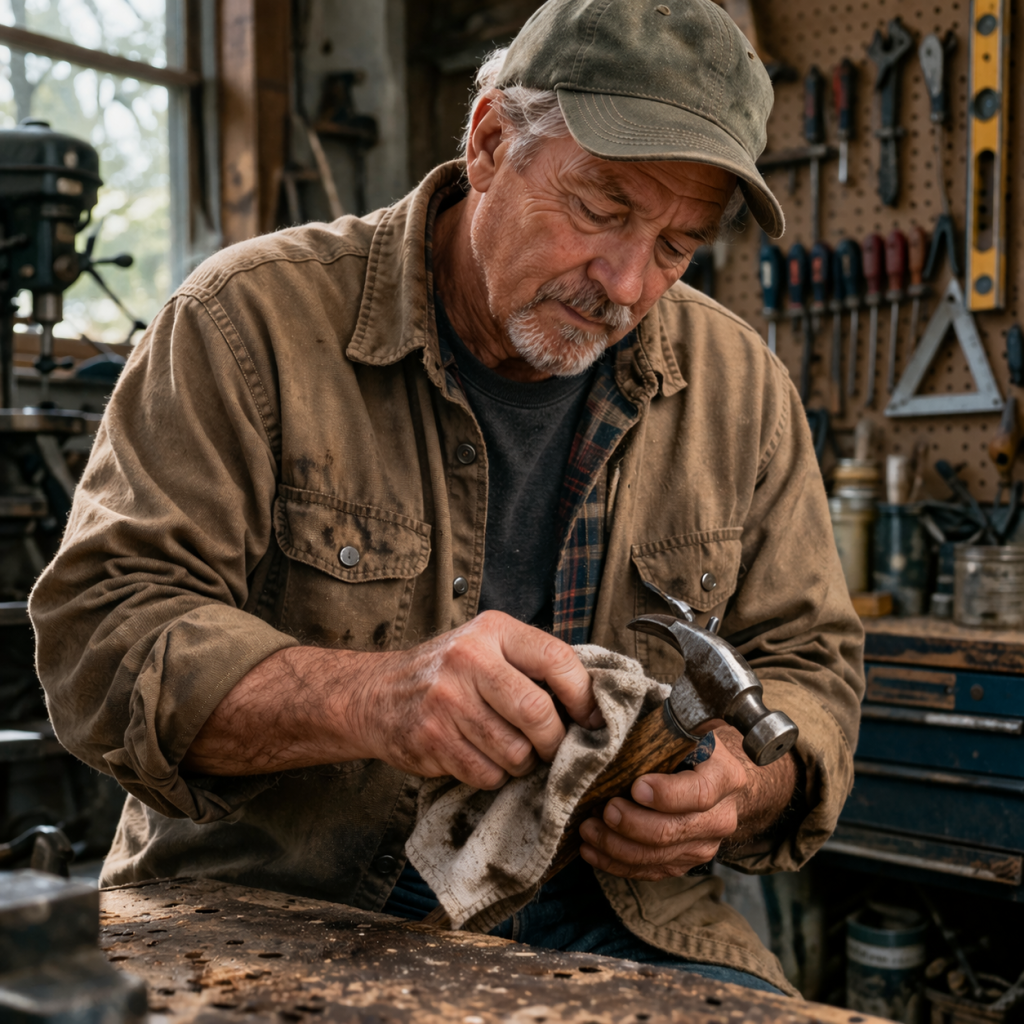
More than anything, your childhood taught you to fight hard for every single victory. This built in you a deep drive, an intense “never again” work ethic, as one Redditor perfectly put it.
That powerful fear of going back shapes everything you do, becoming part of your identity. You might find yourself working constantly, always pushing to keep that old life at a distance.

I’m Chris and I run this website – a resource about symbolism, metaphors, idioms, and a whole lot more! Thanks for dropping by.