
Some couples survive raising children, paying mortgages, career stress, and decades of chaos — only to start struggling once they finally retire.
That surprises people.
Retirement is supposed to be the easy part. The reward. The long vacation you earned after years of responsibility. But for many couples, retirement removes the distractions that once kept the marriage functioning smoothly.
You suddenly spend all day together.
Tiny habits become impossible to ignore. Financial fears creep in. Purpose disappears. And some couples quietly realize they actually preferred each other in smaller doses.
Here are 29 reasons retirement can put serious pressure on a marriage.
29. You spend too much time together
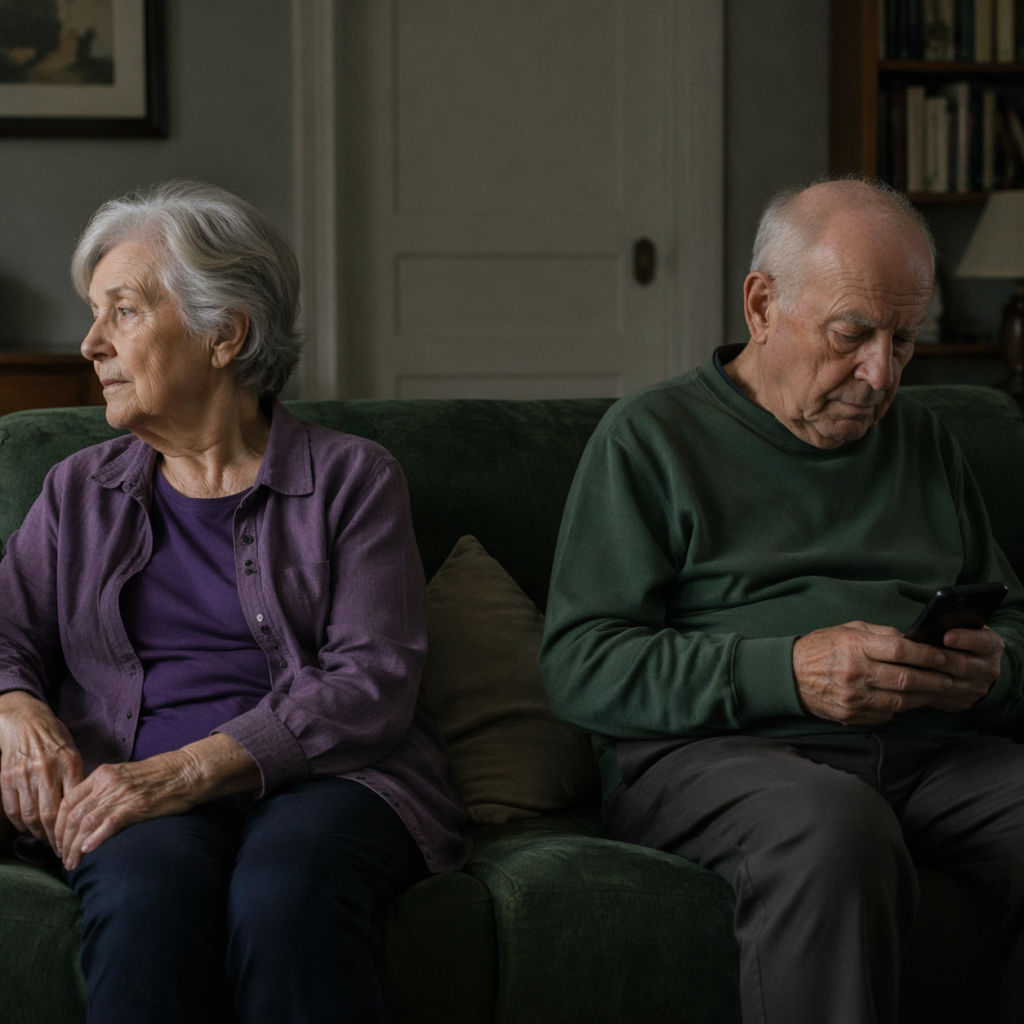
Most couples are not designed to spend nearly every waking hour together.
Before retirement, work created natural separation. You had different conversations, routines, frustrations, and stories to bring home. That space helped the relationship breathe.
Then retirement hits.
Now one spouse is standing in the kitchen while the other is also standing in the kitchen. One follows the other from room to room just to talk. You eat every meal together. Run every errand together. Sit in the same room every evening.
Even good marriages can start feeling emotionally crowded.
Tip:
Schedule intentional time apart each week. Separate hobbies, solo errands, and independent friendships often help retirement marriages feel healthier.
28. Work was your main shared purpose

Some couples were never deeply connected emotionally. They were deeply connected logistically.
The marriage revolved around getting through life together: paying bills, raising children, managing schedules, surviving stress. Work and parenting gave the relationship structure.
Then retirement removes the mission.
Suddenly there is a strange silence where purpose used to be. Some couples sit across from each other and quietly realize they do not actually know what to do together anymore.
Tip:
Start building shared activities before retirement fully settles in. Couples who create new routines together usually adjust far better.
27. Old resentments resurface
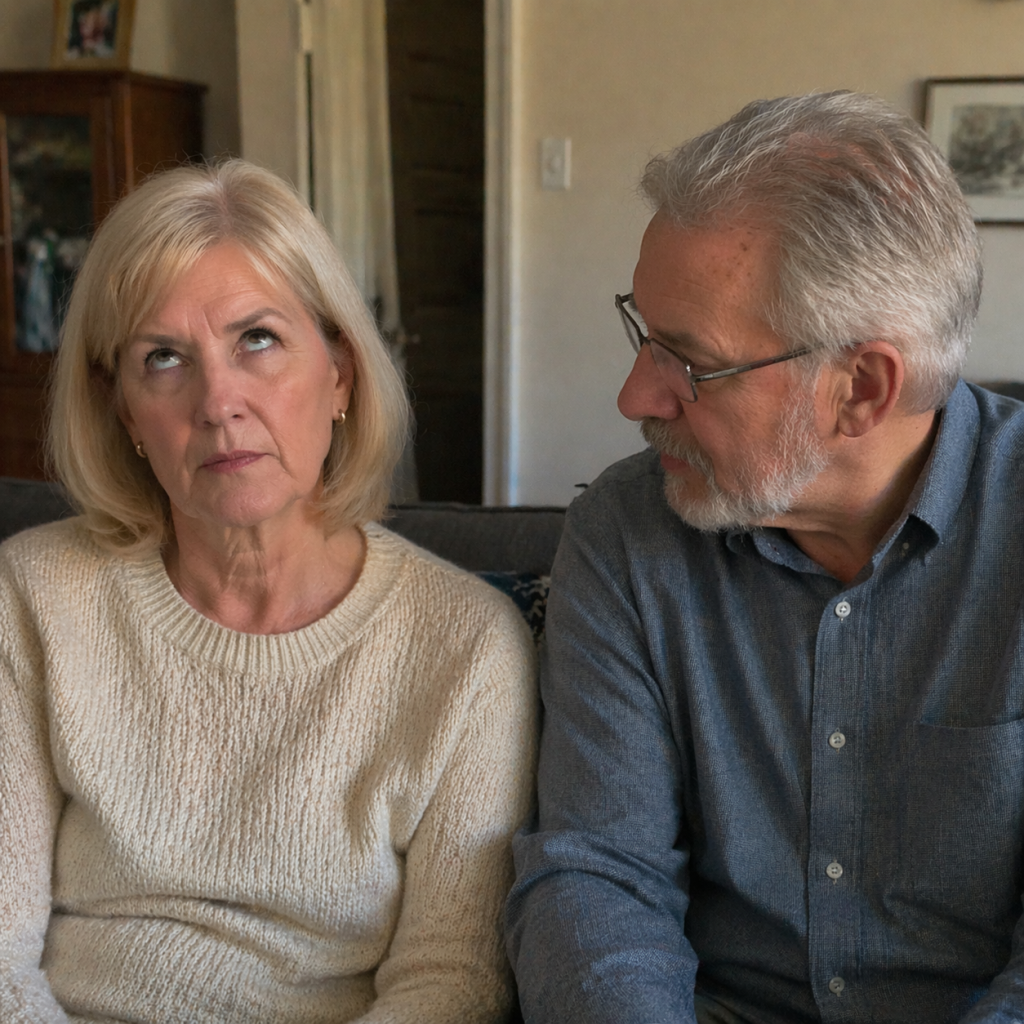
Busy life can bury unresolved problems for decades.
Retirement gives people time to think. And unfortunately, people often start replaying old arguments once life slows down.
The sacrifices you made. The times you felt unsupported. The years one spouse worked too much. The parenting disagreements. The money mistakes.
Things that once got pushed aside because life was too busy suddenly come roaring back.
Tip:
Talk openly about old resentment before it hardens into bitterness. Avoiding difficult conversations rarely makes them disappear.
26. You want different retirements
One spouse dreams about cruises, road trips, and adventure.
The other wants peace, gardening, and staying home.
One wants to spend money freely because you only live once. The other suddenly becomes terrified of running out of money at eighty-two years old.
Retirement can expose wildly different visions for the future that were never fully discussed before.
Tip:
Couples should discuss retirement expectations in detail years before retiring, not after the routines are already set.
25. Financial stress changes your marriage

Money feels different once the paychecks stop.
Even financially comfortable retirees often become more anxious about spending. Small purchases suddenly carry emotional weight. One spouse starts watching every dollar while the other keeps spending normally.
Arguments begin popping up over restaurant meals, home repairs, helping the children financially, or whether a vacation is worth it.
Retirement can turn money from a tool into a constant source of background anxiety.
Tip:
Create a clear retirement spending plan together so everyday purchases do not become emotional battles.
24. You stop making an effort

Some couples slowly become roommates after retirement.
You stop planning date nights. Stop flirting. Stop complimenting each other. Stop trying to look attractive for one another.
Life becomes sweatpants, television, errands, and routine.
The dangerous part is how gradual it feels. Nobody wakes up one morning and decides to stop trying. It just quietly happens over time.
Tip:
Keep creating moments that feel intentional. Small rituals like weekly lunches, planned outings, or dressing up occasionally can help preserve connection.
23. Boredom turns into irritation

People often underestimate how psychologically strange retirement can feel.
At first, doing nothing sounds relaxing. Then after a few months, every day starts feeling exactly the same.
And boredom has a nasty habit of turning into irritation.
Suddenly your spouse chewing too loudly feels unbearable. Their stories become repetitive. The way they load the dishwasher somehow becomes infuriating.
Sometimes couples are not really angry at each other. They are angry at stagnation.
Tip:
Add novelty back into life regularly. New hobbies, short trips, classes, or even changing daily routines can reduce emotional stagnation.
22. You lose patience with each other

Retirement creates constant exposure to each other’s habits.
One spouse wakes up at five-thirty in the morning making noise in the kitchen while the other wants silence. One wants the television on constantly while the other wants peace. One leaves clutter everywhere while the other notices every single thing.
The little annoyances that once lasted thirty minutes each evening now last all day long.
Tip:
Create separate personal spaces at home whenever possible. Even small amounts of physical separation can reduce tension.
21. One of you becomes too dependent

Some retirees quietly expect their spouse to become their entire social life.
They stop maintaining friendships. Stop pursuing hobbies. Stop creating independence outside the marriage.
Now the other spouse feels emotionally trapped. They cannot even go golfing, visit friends, or read quietly without the dependent spouse feeling lonely or abandoned.
That kind of pressure slowly drains a relationship.
Tip:
Both partners should maintain interests, friendships, and routines outside the marriage instead of relying on one person for everything.
20. The kids are no longer the glue
For many couples, parenting was the relationship.
The children gave the marriage purpose, structure, activity, and emotional connection. School events, sports, family dinners, and holidays kept everyone moving forward together.
Then the children grow up and leave.
And some couples suddenly realize the marriage itself has been emotionally neglected for years.
That realization can feel deeply uncomfortable.
Tip:
Couples should keep investing in the relationship itself while raising children instead of making parenting the entire identity of the marriage.
19. One of you keeps growing. The other gives up.
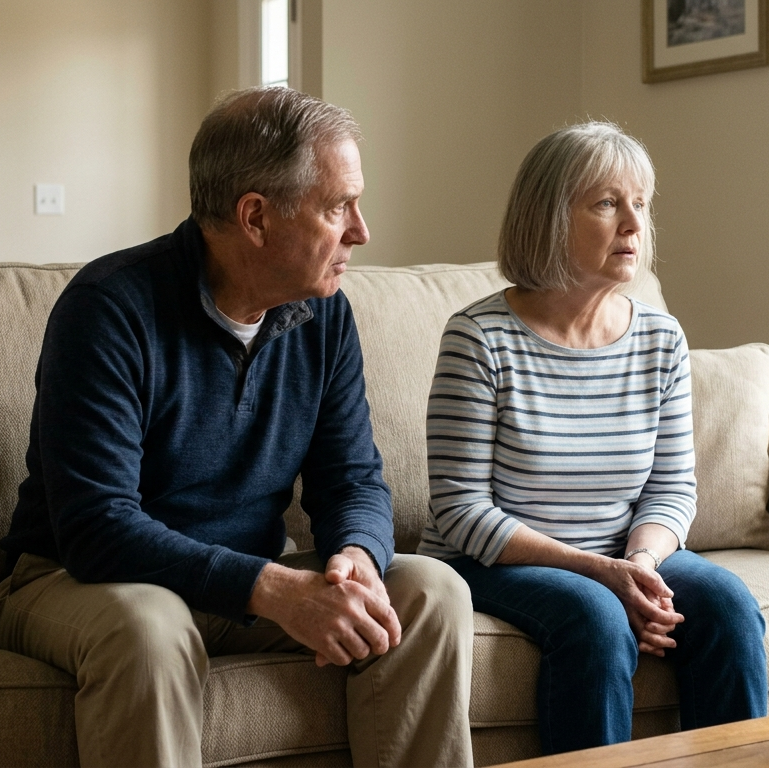
Retirement affects people very differently.
One spouse stays curious. They read, travel, exercise, volunteer, learn new skills, and stay socially active.
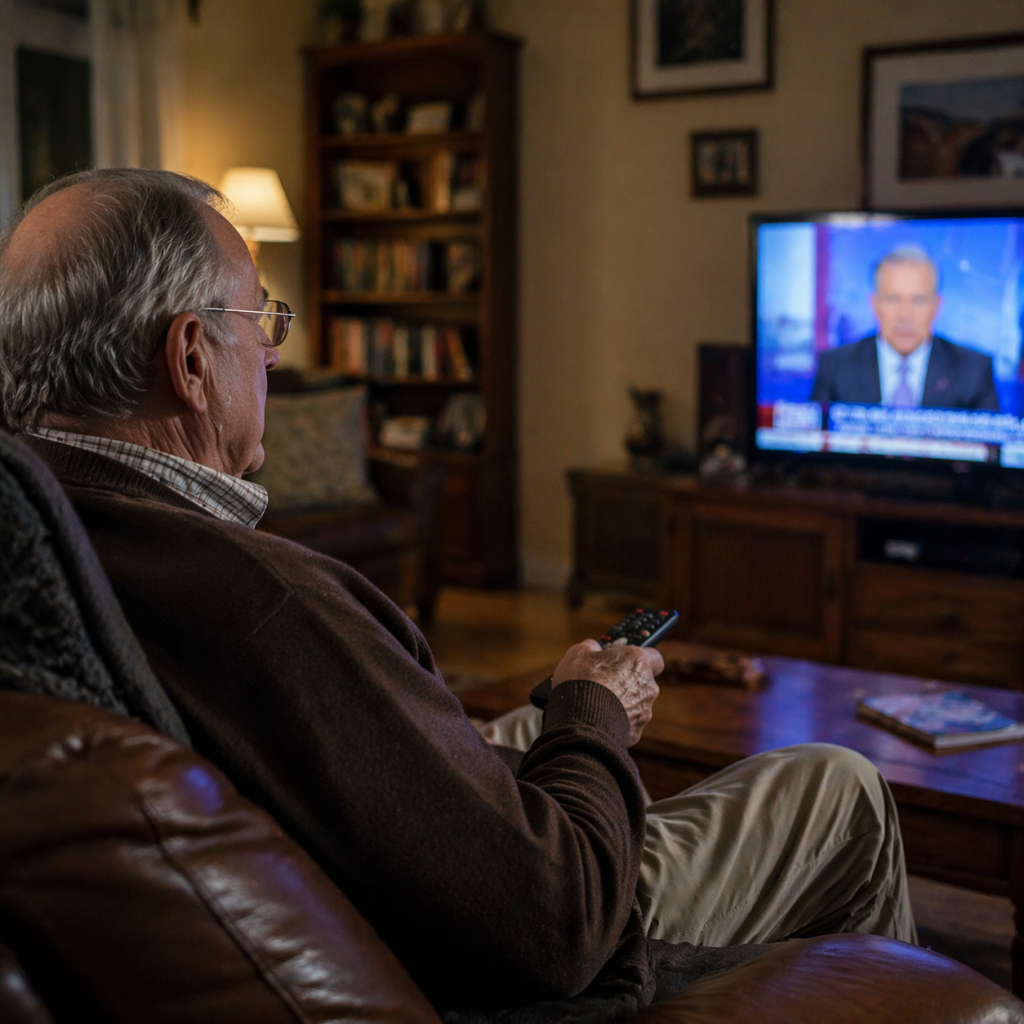
The other slowly retreats into recliners, cable news, naps, and complaints.
This creates one of the saddest dynamics in retirement: one person still feels alive while the other has emotionally checked out.
Tip:
Encourage growth instead of criticizing withdrawal. Sometimes people disengage because they quietly lost confidence or purpose.
18. Your social life disappears

Work forces social interaction whether you want it or not.
Retirement removes that overnight.
Friends move away. People become less mobile. Invitations slow down. Some couples slowly drift into isolation without even noticing it happening.
Weeks pass where the only real conversations happen between the two spouses.
That can place enormous emotional pressure on the marriage.
Tip:
Join groups, clubs, classes, or volunteer organizations before isolation becomes your default routine.
17. Retirement hurts one partner’s self-worth

Some people lose much more than a paycheck when they retire.
They lose identity.
The respected manager becomes someone sitting at home all day. The busy provider suddenly feels unnecessary. The person who solved problems and led teams now feels invisible.
That loss of purpose can quietly trigger depression, insecurity, irritability, and emotional withdrawal.
And spouses often end up absorbing the emotional fallout.
Tip:
Replace lost structure with meaningful routines, projects, or responsibilities instead of drifting aimlessly after retirement.
16. One of you becomes lazy

Retirement can expose huge differences in discipline.
One spouse still wants structure. They wake up early, stay active, make plans, and keep moving.
The other starts spending six straight hours watching television in a recliner.
Eventually resentment builds. One spouse starts feeling like they are living with someone who gave up.
That thought can quietly poison attraction over time.
Tip:
Create simple daily structure after retirement. People often function better when the day still has purpose and momentum.
15. Physical intimacy declines

Physical intimacy often changes during retirement, and many couples struggle to talk about it honestly.
Health problems, medication, stress, insecurity, aging, and emotional distance can all affect closeness.
The hardest part is that couples often stop discussing it entirely. Rejection becomes silent. Affection fades slowly. Eventually the marriage can start feeling emotionally cold.
Many couples miss intimacy long before they admit it.
Tip:
Address intimacy problems early instead of silently avoiding them. Emotional distance usually grows when couples stop talking honestly.
14. You idealized retirement too much

Some people spend decades fantasizing about retirement like it is paradise.
No stress. No pressure. Endless happiness.
But retirement is still real life.
You still wake up with the same personality, the same marriage, the same anxieties, and the same emotional patterns you always had. Retirement does not magically fix loneliness, boredom, unhappiness, or disconnection.
For some couples, the disappointment hits hard.
Tip:
Treat retirement like a major life transition that requires adjustment, not like a permanent vacation that automatically creates happiness.
13. Your energy levels no longer match

One spouse still wants movement and adventure.
The other wants quiet, rest, and predictability.
This mismatch shows up everywhere. One wants to spend the day exploring a new city while the other wants to sit at the hotel. One wants busy weekends while the other wants naps and routine.
Over time, one person starts feeling held back while the other feels constantly pressured.
Tip:
Build retirement routines that include both shared activities and separate pacing instead of forcing identical lifestyles.
12. Constant togetherness kills mystery

A little separation keeps relationships fresh.
Before retirement, couples had independent experiences. You came home with stories, frustrations, observations, and new energy.
Retirement removes much of that novelty.
Now some couples spend entire days sitting ten feet apart saying almost nothing because there is nothing new left to share.
Familiarity is comforting. But too much familiarity can flatten attraction.
Tip:
Keep developing independent experiences, interests, and social interactions so you still bring fresh energy back into the relationship.
11. Adult children create tension
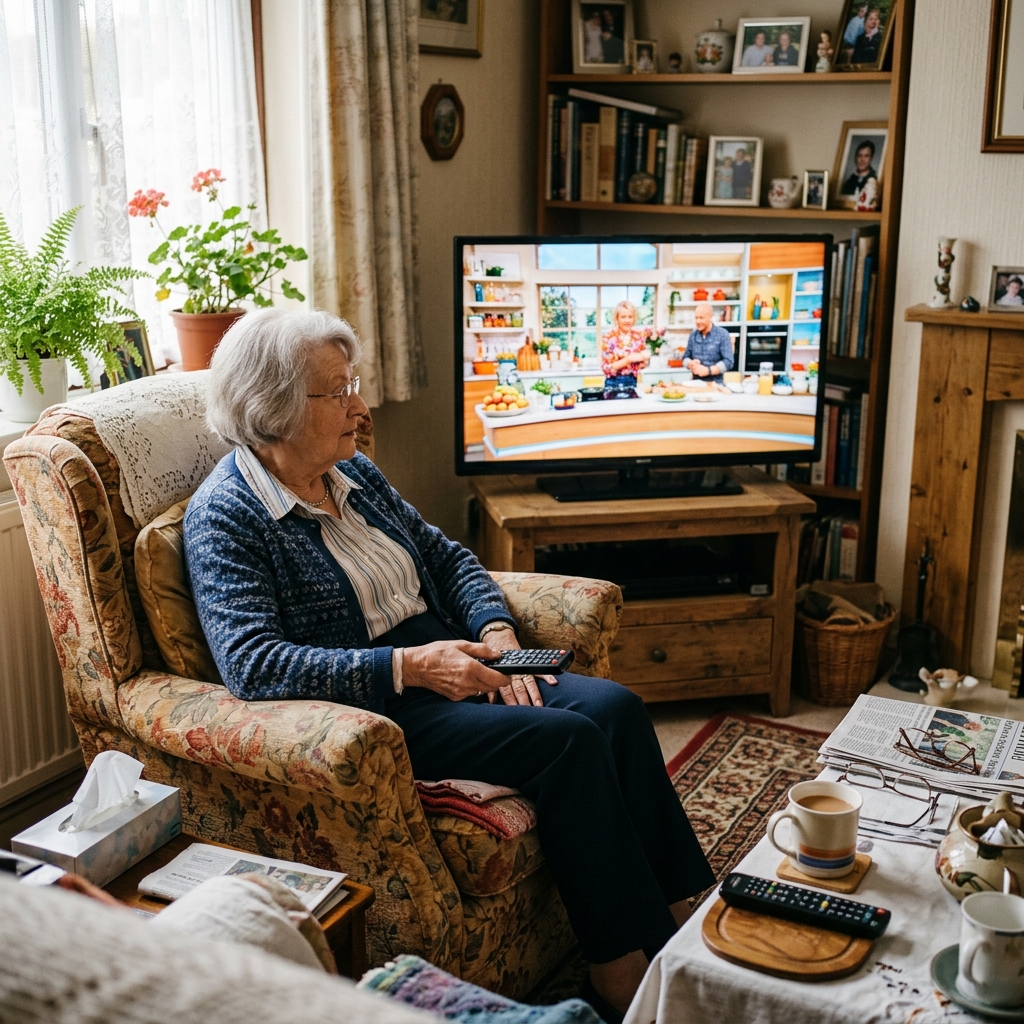
Retirement often increases family drama instead of reducing it.
Adult children may need financial help. Grandkids need babysitting. One child feels favored over another. Someone borrows money and never pays it back.
Couples often discover they have completely different instincts about boundaries.
One spouse wants to rescue the kids forever while the other feels the family has become too dependent.
Tip:
Discuss boundaries around adult children privately as a couple before problems appear instead of reacting emotionally in the moment.
10. Grandkids consume your time

Many retirees imagine occasional grandparent visits.
Instead, some accidentally become unpaid full-time childcare.
One spouse may love constantly babysitting. The other quietly starts feeling trapped and exhausted again after finally reaching retirement freedom.
This becomes especially difficult when couples cannot agree on how much family responsibility is too much.
Tip:
Set realistic limits on childcare responsibilities early so resentment does not quietly build over time.
9. Family money fights begin

Inheritance conversations can get ugly surprisingly fast.
One spouse wants to leave money to the children. The other wants to enjoy retirement now. One wants to help struggling family members financially while the other worries about future medical costs and long-term care.
These fights feel emotional because they are not really about money.
They are about fear, guilt, love, fairness, and security.
Tip:
Put long-term financial plans in writing together so emotional conversations do not constantly become financial arguments.
8. One of you becomes negative

Negativity feels heavier in retirement because there are fewer distractions from it.
Some retirees slowly become consumed by complaints about politics, aging, neighbors, health problems, or how the world has changed.
After a while, it can feel emotionally exhausting living with someone who sees something wrong with everything.
Especially when you are together all day long.
Tip:
Protect your mental environment carefully. Too much outrage media and isolation can quietly worsen negativity over time.
7. Television replaces real life

For some couples, retirement quietly becomes screen time.
Morning news turns into afternoon news. Then evening news. Then reruns. Then scrolling online before bed.
Days blur together.
Some couples spend six hours sitting in the same room without having a real conversation. The television becomes a third presence in the marriage, always talking and always filling silence.
And slowly, real life starts shrinking.
Tip:
Schedule regular activities outside the house so passive entertainment does not quietly become your entire lifestyle.
6. Travel exposes incompatibility

Retirement travel sounds romantic until you actually travel together for weeks.
One spouse wants strict schedules. The other wants spontaneity. One wants luxury hotels while the other wants to save money. One wants museums while the other wants beaches.
Even airport stress can expose personality clashes.
Some couples discover they loved the fantasy of traveling together more than the reality.
Tip:
Plan trips that include compromise instead of expecting both people to enjoy the exact same travel style.
5. Anxiety increases after retirement
Retirement gives people more time to worry.
About health. Aging. Money. Mortality. Losing independence. Becoming a burden.
Some people become more controlling or emotionally reactive because anxiety quietly grows once work distractions disappear.
The spouse often becomes the nearest target for all that fear.
Tip:
Stay mentally engaged and physically active after retirement. Anxiety often grows faster when life becomes too small and repetitive.
4. You stop meeting new people
Many retirees accidentally shrink their world.
You stop working. The kids move away. Old friendships fade. Social circles slowly narrow year after year.
Without fresh people entering your life, conversations can start repeating themselves endlessly. The marriage begins carrying too much emotional weight because there are fewer outside connections balancing it out.
Isolation changes relationships more than people realize.
Tip:
Make an intentional effort to keep meeting people after retirement instead of assuming social connection will happen naturally.
3. Free time leads to overthinking
Busy schedules protected many people from their own thoughts.
Retirement creates long stretches of silence where regrets can grow louder.
People start replaying career regrets, parenting regrets, missed opportunities, financial decisions, and emotional wounds.
Overthinking can quietly darken a person’s mood — and eventually the marriage itself.
Tip:
Structure your days with meaningful activities so your mind does not drift endlessly into regret and rumination.
2. You stayed together for stability — not love
This is one of the hardest realizations retirement can expose.
Some couples stayed together because it was practical. They built a life together. Raised children. Shared expenses. Maintained stability.
But emotional intimacy disappeared years earlier.
Retirement removes the distractions that once hid that truth. And some couples suddenly realize they no longer feel emotionally connected at all.
That realization can feel devastating after decades together.
Tip:
Emotional connection rarely rebuilds itself automatically. Couples often need intentional effort, honest conversations, and sometimes outside help to reconnect.
1. Your routines clash constantly
Retirement turns routines into relationship battlegrounds.
One spouse wants quiet mornings while the other turns on the television immediately. One likes structure while the other drifts through the day. One goes to bed at nine o’clock while the other stays up until midnight.
And because you are together constantly, these routine clashes never really stop.
Some couples discover retirement is not destroyed by one giant problem.
It is worn down slowly by a thousand tiny daily frustrations.
Tip:
Respect each other’s routines instead of trying to force identical lifestyles. Many retired couples stay happier when they allow more independence inside daily life.

I’m Chris and I run this website – a resource about symbolism, metaphors, idioms, and a whole lot more! Thanks for dropping by.